Posted on 31 Jul 2026

Garden History

Artist, photographer, writer and one of Britain's most influential garden designers, Gertrude Jekyll approached gardens as living compositions and trailblazed the cottage garden style.

Gertrude Jekyll, one of the first two women to be awarded the Victoria Medal of Honour of the Royal Horticultural Society in 1897 (the highest award for British horticulturalists) alongside Ellen Willmott, is widely regarded as one of Britain’s most influential garden designers. 

More than thirty of her gardens are registered, including those she carried out in partnership with architect Sir Edwin Lutyens, defining landscapes of the Arts and Crafts garden movement together. Throughout a career spanning more than four decades, she created or advised on over 400 gardens across Britain, Europe and North America. 

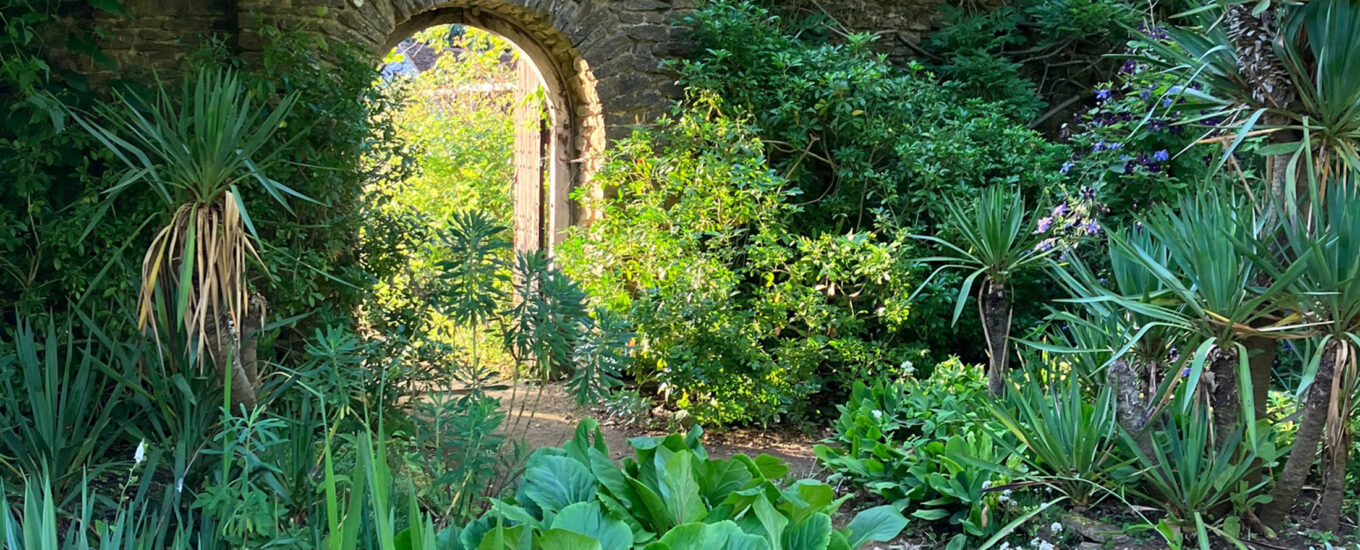
In collaboration with architect Sir Edwin Lutyens, Jekyll brought richly layered planting to landmark gardens including Hestercombe, where her planting softened and enriched Lutyens’ formal terraces, as well as Lindisfarne Castle and Castle Drogo. At Munstead Wood, her own garden in Surrey, these ideas reached their fullest expression. She approached gardens as living compositions, applying the same understanding of colour, texture and form that she had first developed in the studio.

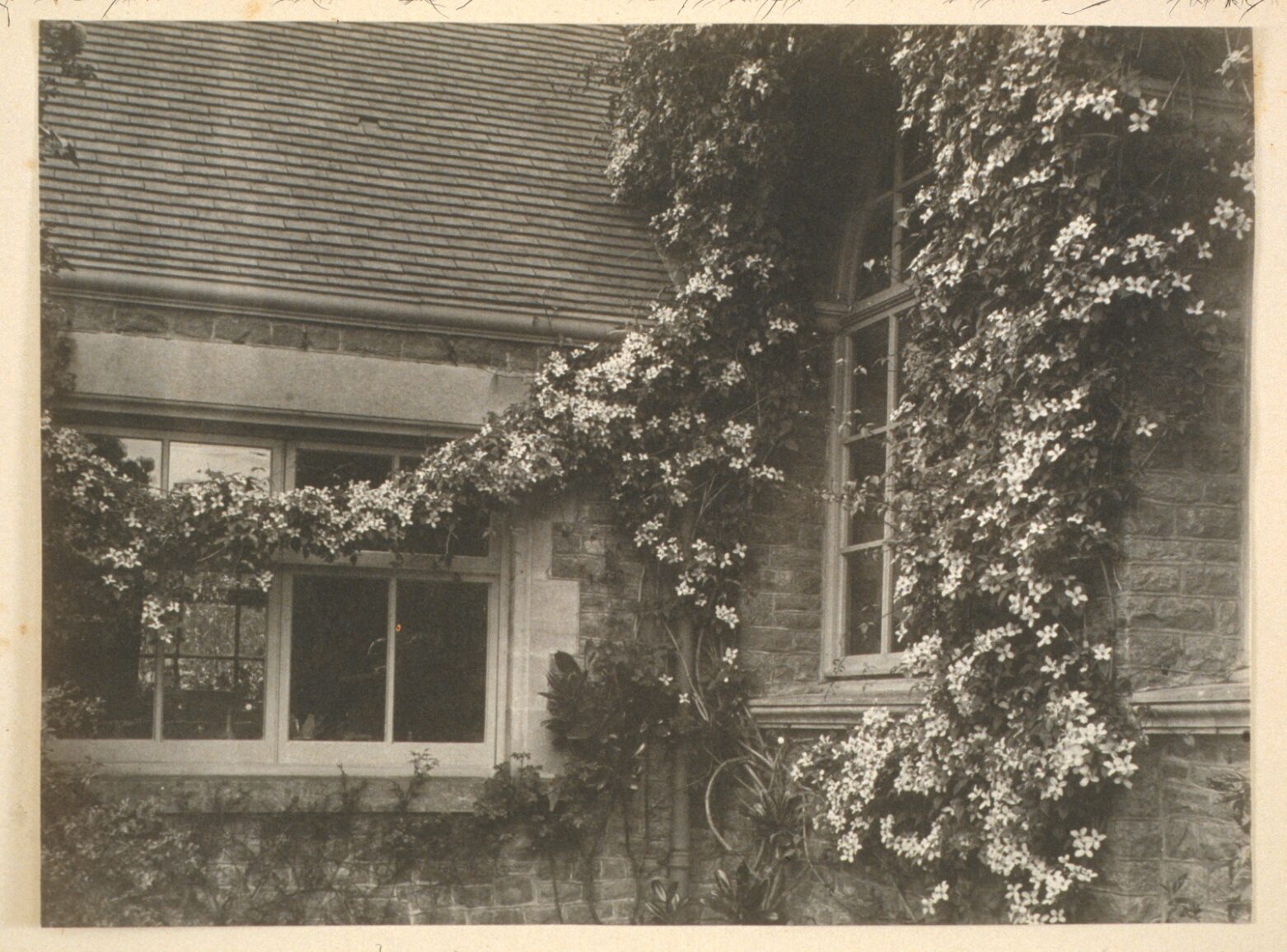
Mountain clematis photographed by Gertrude Jekyll c.1880

Before Munstead Wood became synonymous with her name, Jekyll studied at the South Kensington School of Art under Henry Cole. Here she encountered many of the leading artistic figures of Victorian Britain, including John Ruskin, Edward Burne-Jones and Dante Gabriel Rosetti.

Her early painting Jehu Driving Furiously  (1865), now in the Garden Museum collection, highlights her developing eye for use of colour and dramatic composition. It offers a glimpse of the artistic training that would later shape her approach to garden design. When deteriorating eyesight forced her to abandon painting and embroidery,  it could have easily marked the end of her creative career.

Jehu Driving Furiously by Gertrude Jekyll

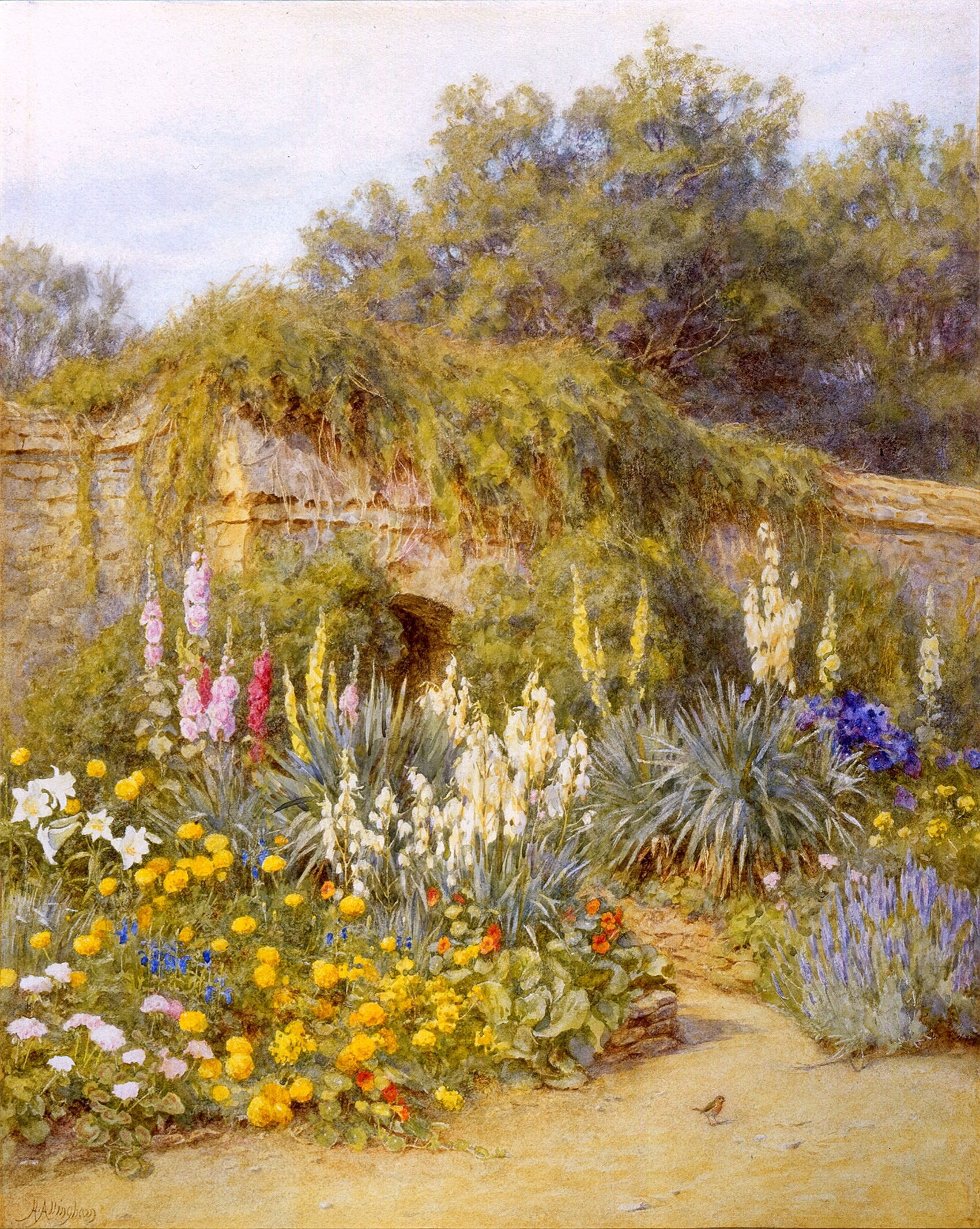
Instead, gardening became Jekyll’s new artistic medium. Working alongside architect Sir Edwin Lutyens, she softened formal architectural layouts with richly layered planting, using drifts of colour, texture and seasonality to create gardens that unfolded like living paintings. This painterly approach helped define the Arts and Crafts garden and profoundly influenced the development of the modern English cottage garden.

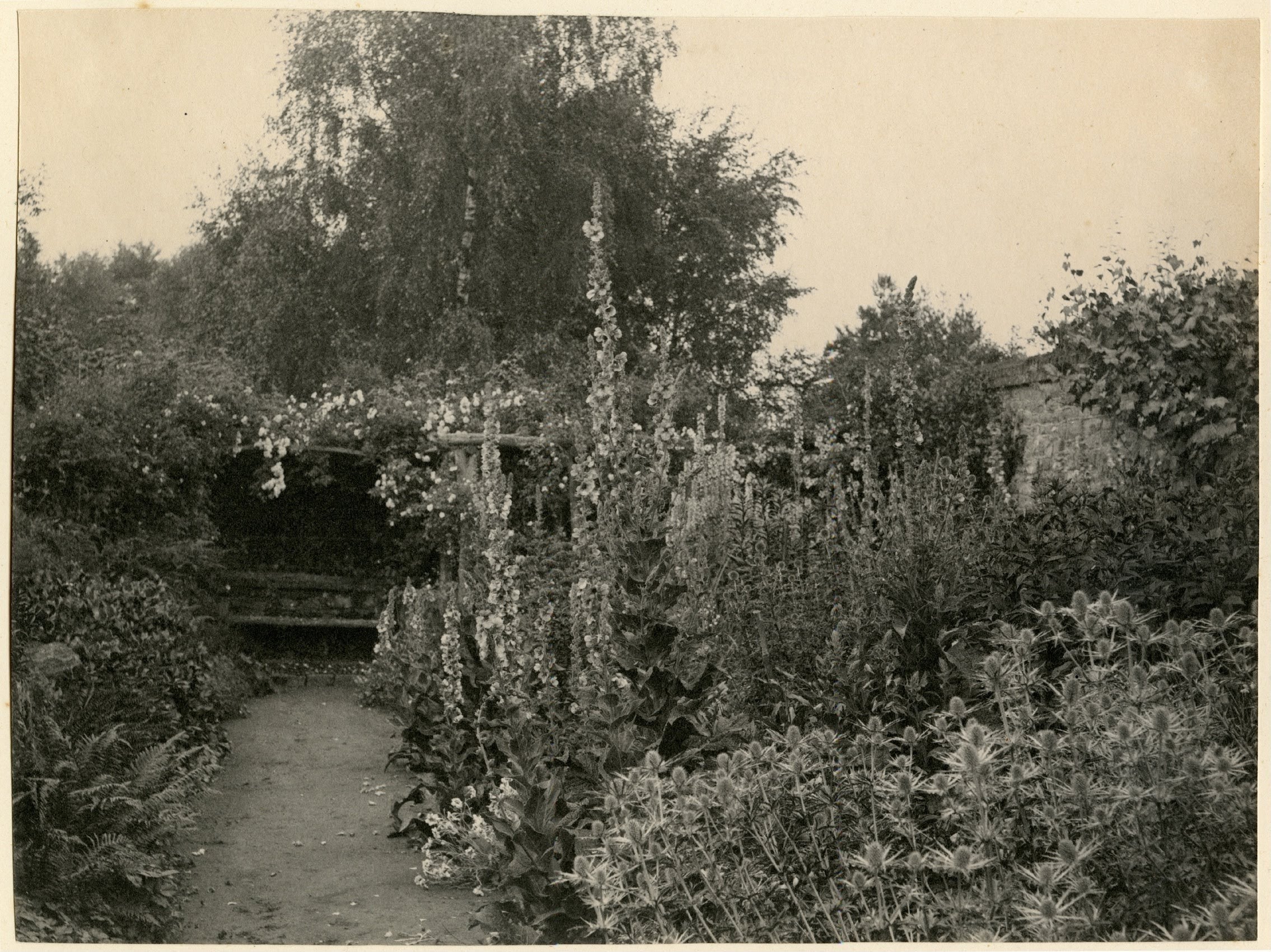
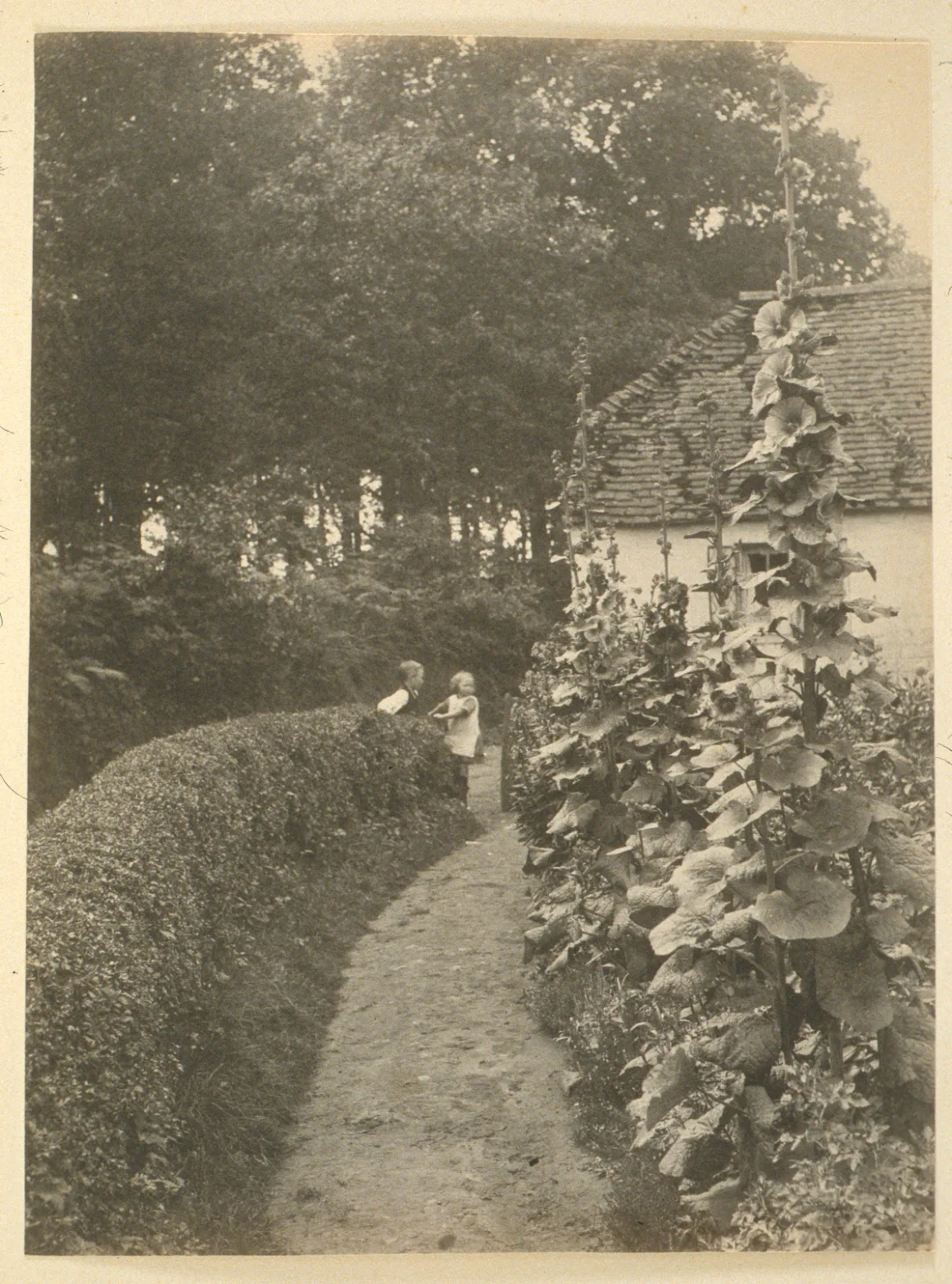
Photograph Album of Prints by Gertrude Jekyll

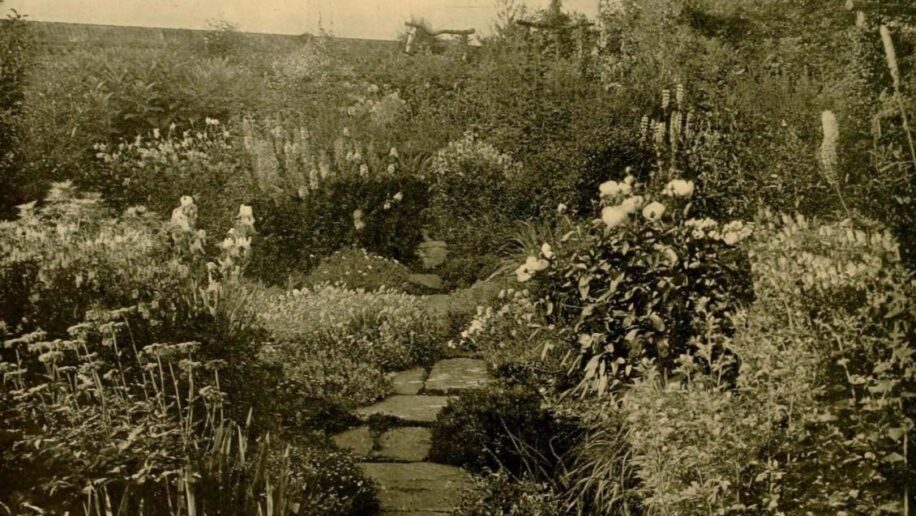
With her artistic background, Jekyll maintained the artist’s habit of looking closely as photography became another essential part of her practice. From the 1880s, she photographed cottages, gardens and woodland paths around Surrey, producing over 2,000 photographs. These photographs documented her work but also informed it, allowing her to study composition, proportion and light before sharing her ideas through books and articles. The Garden Museum’s Photograph Album of Prints by Gertrude Jekyll preserves part of this extraordinary visual record.

The Manor House, Upton Grey. Hants.

“A garden is a grand teacher. It teaches patience and careful watchfulness; it teaches industry and thrift; above all, it teaches entire trust.”
Gertrude Jekyll, Wood & Garden (1899)

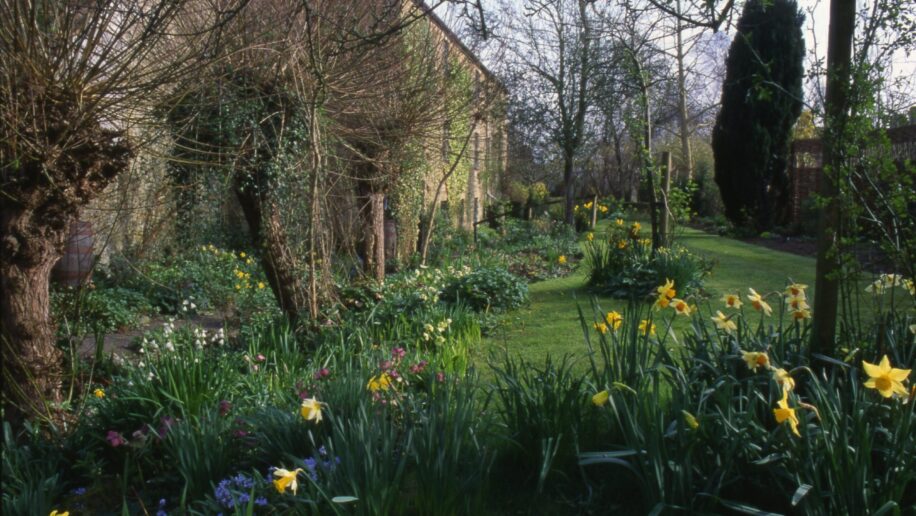
A notable canvas of Jekyll’s was Munstead Wood, her home in Surrey, where she spent decades experimenting with colour combination and planting schemes. Unlike many Victorian gardens, designed to impress in a single spectacular season, Munstead Wood unfolded gradually. Springtime hellebores gave way to carefully colour-blocked azaleas and rhododendrons before the legendary 200-foot flower border reached its midsummer crescendo.  Then the Michaelmas Daisy border comes to bloom as the year winds down, giving way to skeletal, architectural structures in the winter months. 

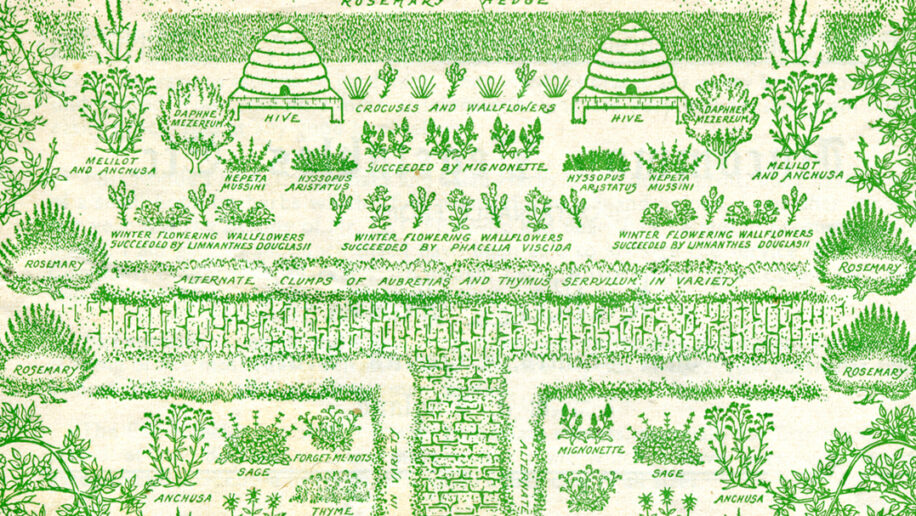
Jekyll’s garden design was interested in plants for the shape of their leaves and texture of their foliage, as well as for their flowers. Collecting native species from Surrey heathland alongside plants encountered during her travels, her ongoing trial of flower combinations lent a painterly quality to her landscapes. Jekyll’s gardens were never defined by just one moment of temporal beauty. Their beauty lay in their careful consideration of continual, seasonal change. 

“The love of gardening is a seed that once sown never dies.”
Gertrude Jekyll, Wood & Garden (1899)

Jekyll’s description of the love of gardening as “a seed that once sown never dies” remains a fitting reflection of her legacy, More than ninety years after her death, the seed continues to flourish in gardens around the world, shaped by her ideas and distinctive style. Today, Munstead Wood remains the clearest expression of this philosophy. Jekyll’s greatest legacy is not simply the hundreds of gardens she designed, but the generations of gardeners she taught to see plants with an artist’s eye.