Photo Gallery
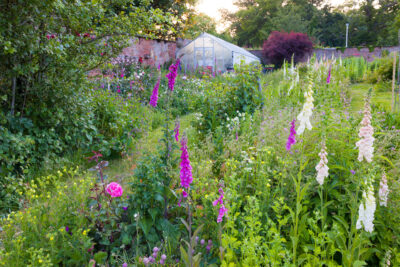
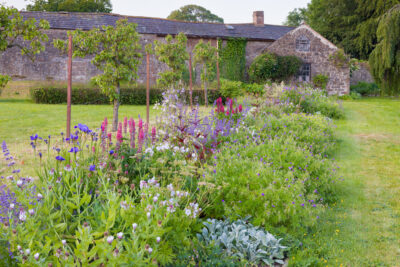
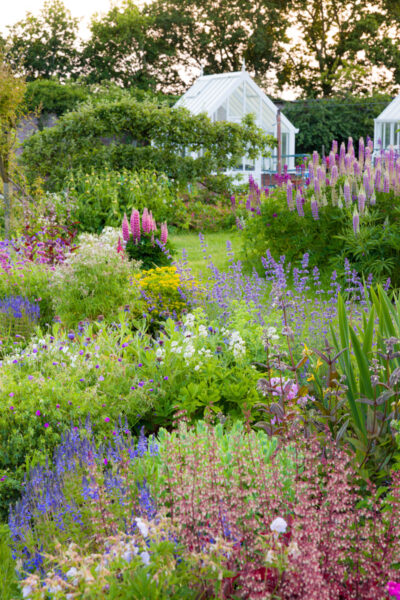
Gwaenynog Garden, Denbighshire – Step into the inspiration behind Beatrix Potter’s The Tale of the Flopsy Bunnies. Nestled in the heart of Denbighshire, this peaceful walled garden brims with timeless charm and literary history.
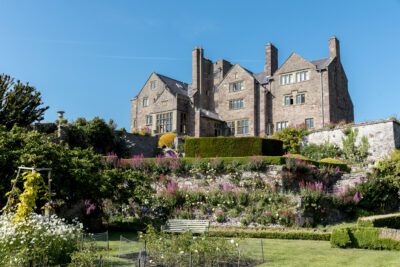
Bodysgallen Hall, Conwy – Discover one of North Wales’ finest and most beautifully restored gardens.
Meet at Flint Railway Station, North Wales, where our coach will be waiting to take us to Gwaenynog Garden. Upon arrival, enjoy refreshments alongside an engaging talk about the garden’s rich history and its special connection to Beatrix Potter, followed by a guided tour of the Walled Garden.
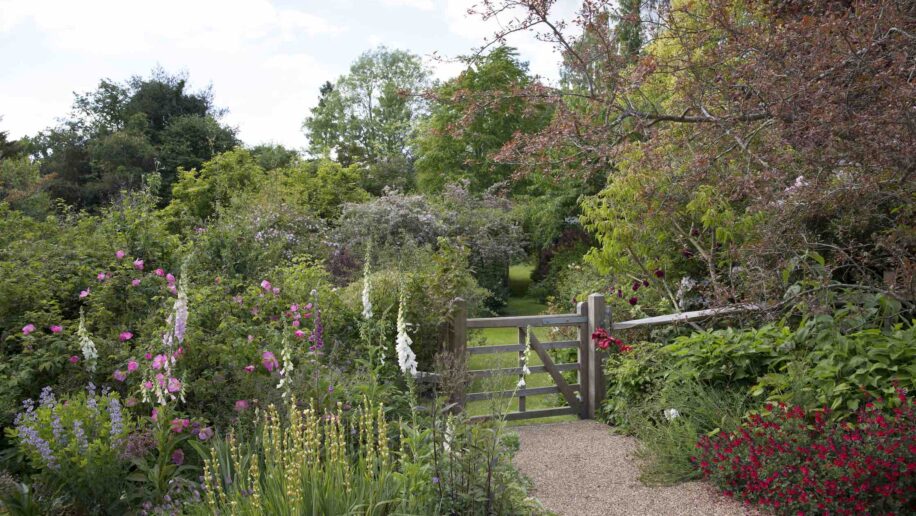
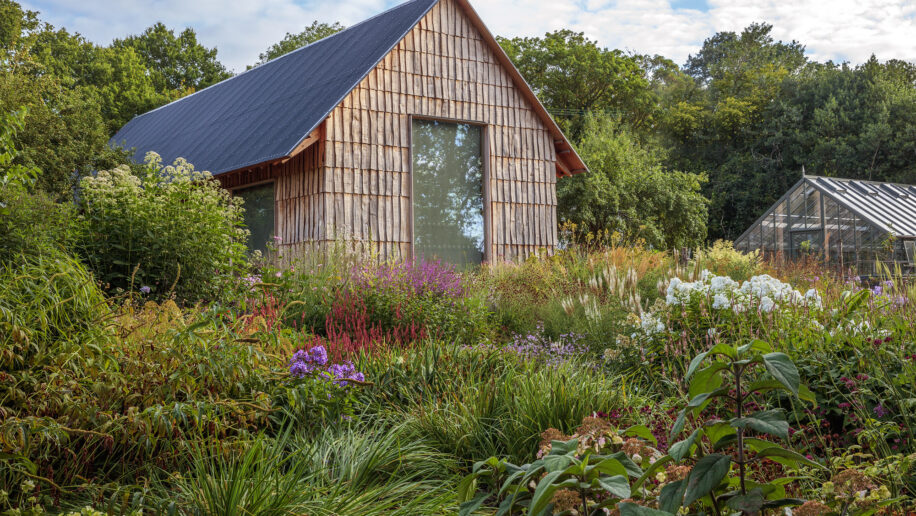
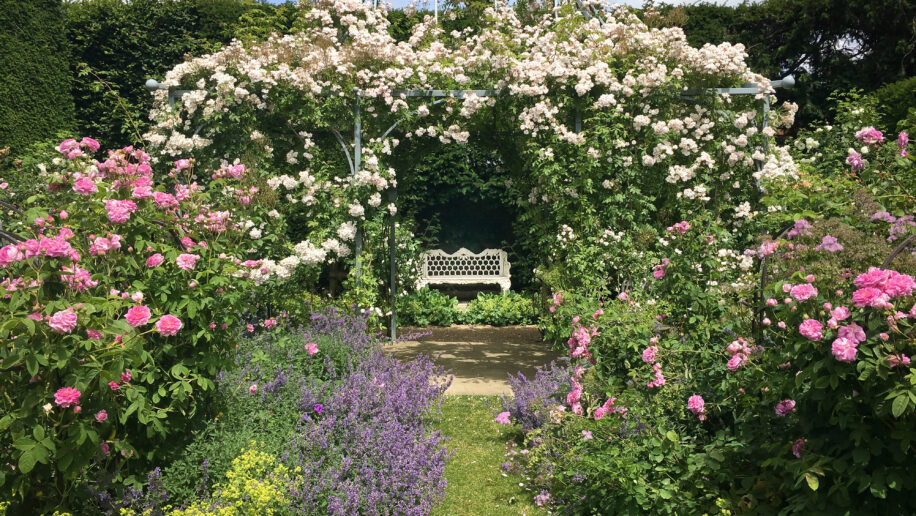
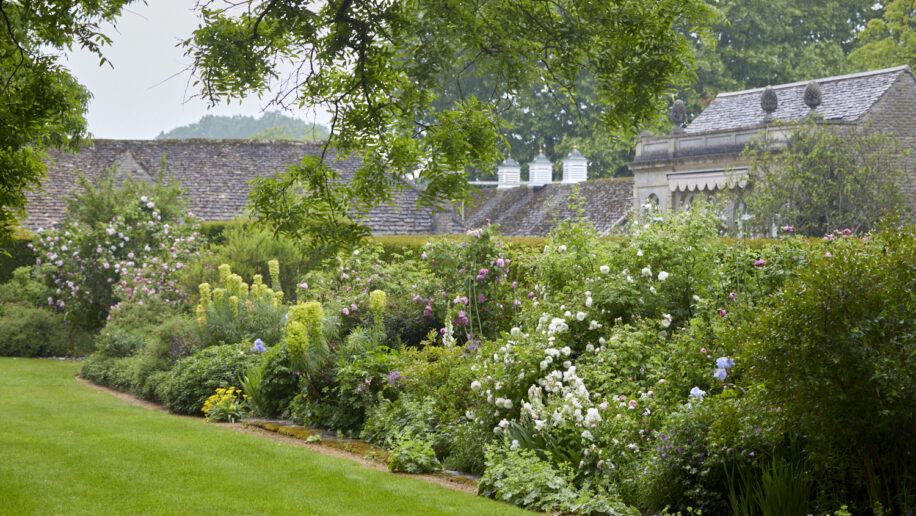
Gwaenynog Garden served as the inspiration for The Tale of the Flopsy Bunnies. Nestled beside an 18th-century home, the beautifully restored garden features climbing roses, foxgloves, lupins, espaliered fruit trees, and pergolas. There are also herbaceous borders, a greenhouse, and a Grade II listed stone potting shed with a distinctive Gothic window—famously known as Mr. McGregor’s potting shed in Beatrix Potter’s tale.
This tranquil ¾-acre garden welcomed Beatrix Potter on at least thirteen visits, where she painted, sketched, and found inspiration for her stories of playful rabbits and the determined gardener, Mr. McGregor. Potter described the garden as “very productive but not tidy,” a delightful place where traditional flowers grew among fruit bushes.
Since the late 1980s, the garden has been lovingly restored using Beatrix’s original watercolours, historic maps, photographs, and memories shared by those who worked there in their youth.
Our next stop is Bodysgallen Hall, where we’ll enjoy a delicious lunch followed by a private tour of the gardens.
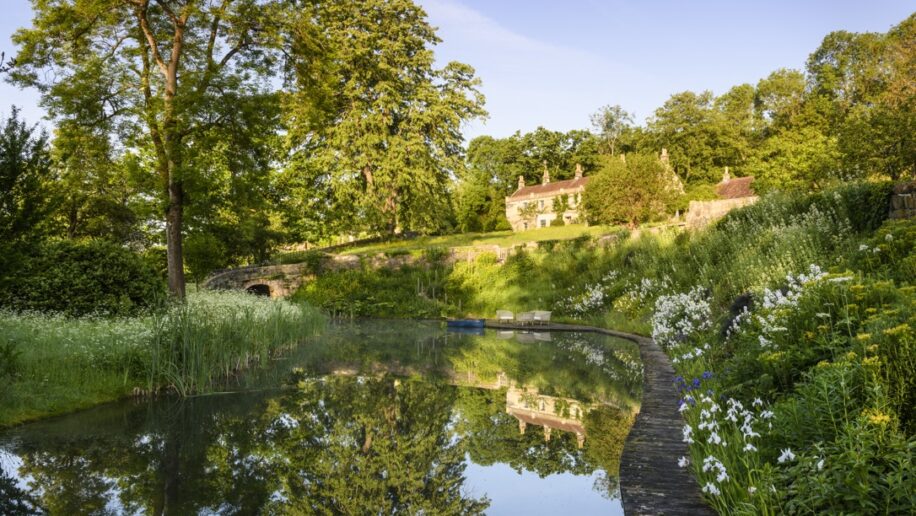
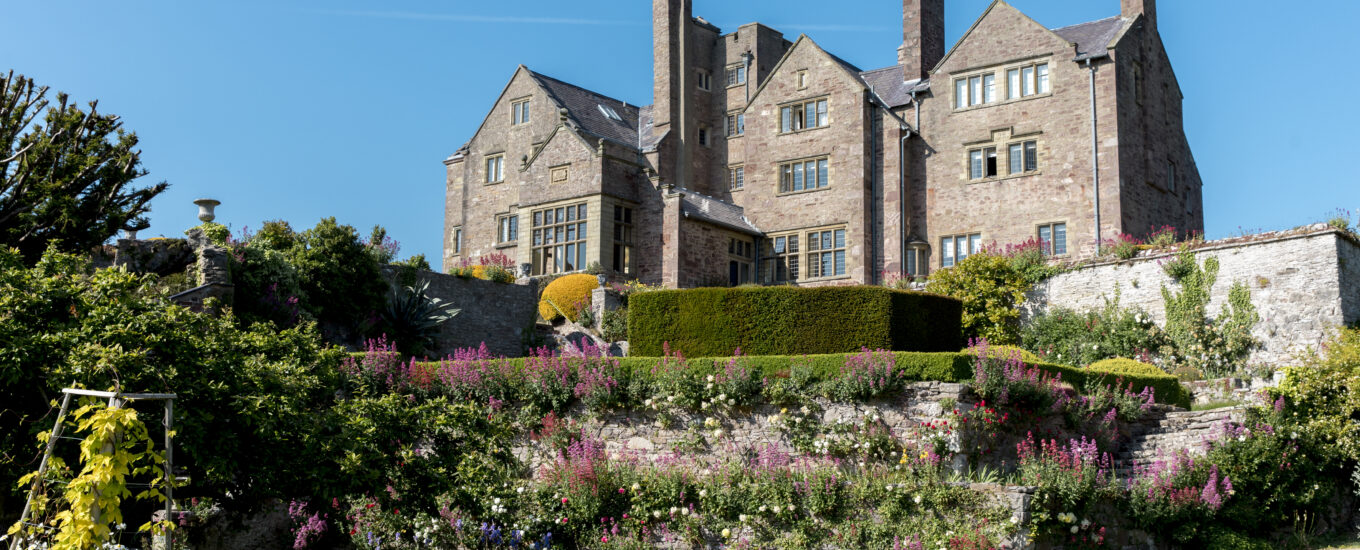
Tucked into the foothills of Pydew Mountain, with views across the Conwy Valley to Snowdonia and Conwy Castle, the gardens at Bodysgallen have been carefully restored since the 1980s. Set within 200 acres of parkland, they are among the finest in Wales and steeped in horticultural history.
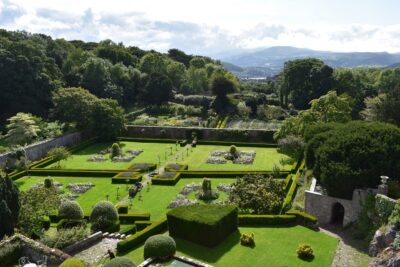
At the heart is a rare 17th-century parterre enclosed by stone walls and clipped box hedges, centred around a 1678 sundial. Terraces lead from a lily pond to a rose garden, a walled garden, and a productive kitchen garden with espaliered fruit trees, and a cutting garden. Beyond the formal areas, woodland paths lead to the 18th-century Ladies’ Terrace with views over Conwy Castle and the river valley.
At the end of this special day, we will board our coach for the return journey to Flint Railway Station.