Book extract | Bird Haven Farm by Janet Mavec
STORIES
Bird Haven Farm, Ngoc Minh Ngo
One crisp Sunday morning, many years back, I had a propitious encounter with nature. The man I had been dating brought me, the “girlfriend,” as I was then known, to “the Farm,” as his historic property was then known. I suspected this man may have been attempting to woo me with his little patch of arboreal paradise—we both shared a love of the outdoors.
We rambled through this largely untended parcel deep in New Jersey’s Somerset Hills; the sixty miles that separated me from my Manhattan apartment might as well have been a million miles. Only bird song and leaves crunching underfoot, pierced the quiet.
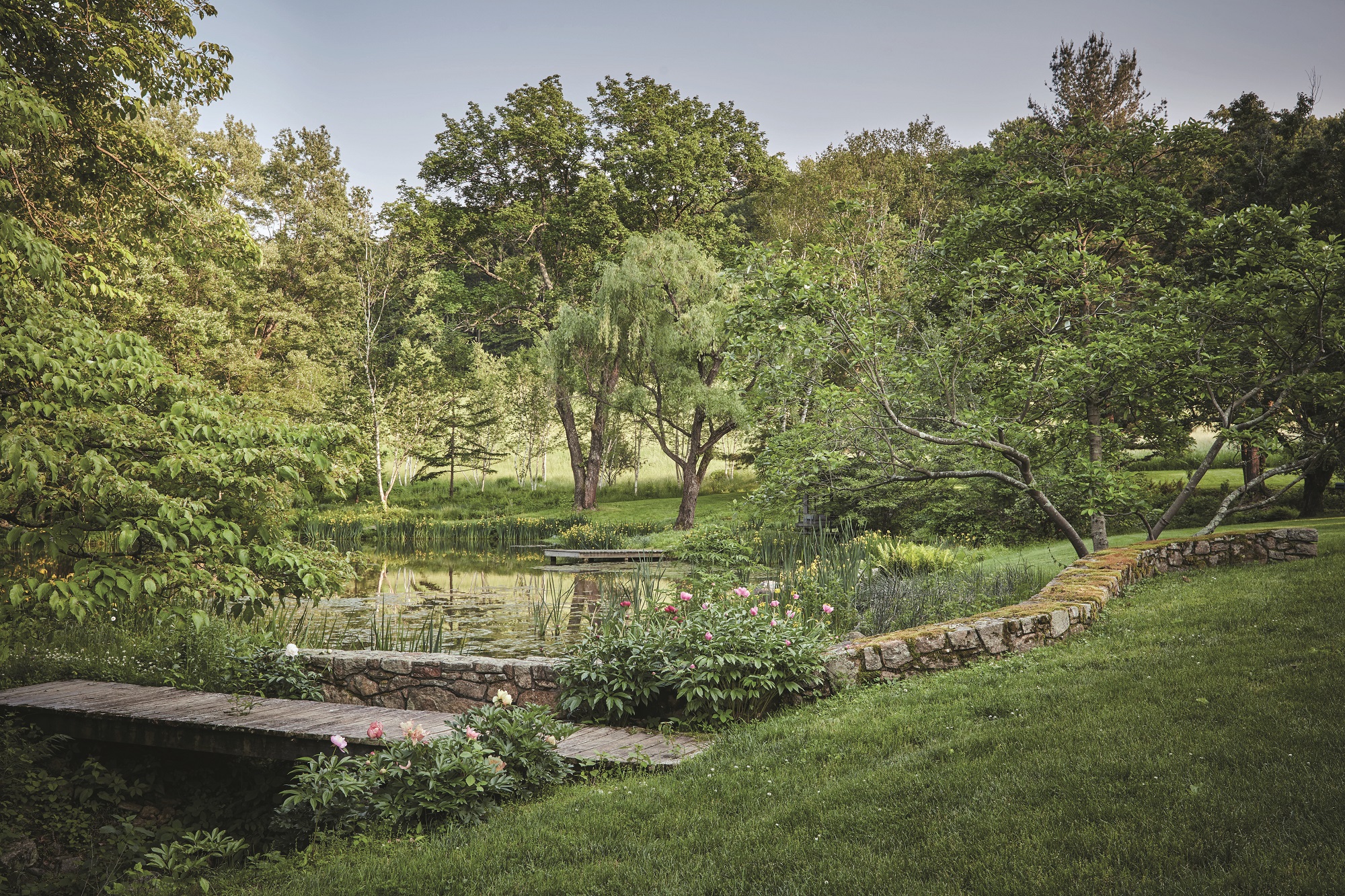
A riot of trees—sugar maples, ash, yellow birches, hemlocks, and oaks—populated a forest. Other natural gems, including a pond, hid in the folds of hills. But there were no clear paths, no sense of flow. Nevertheless, the property drew me in immediately.
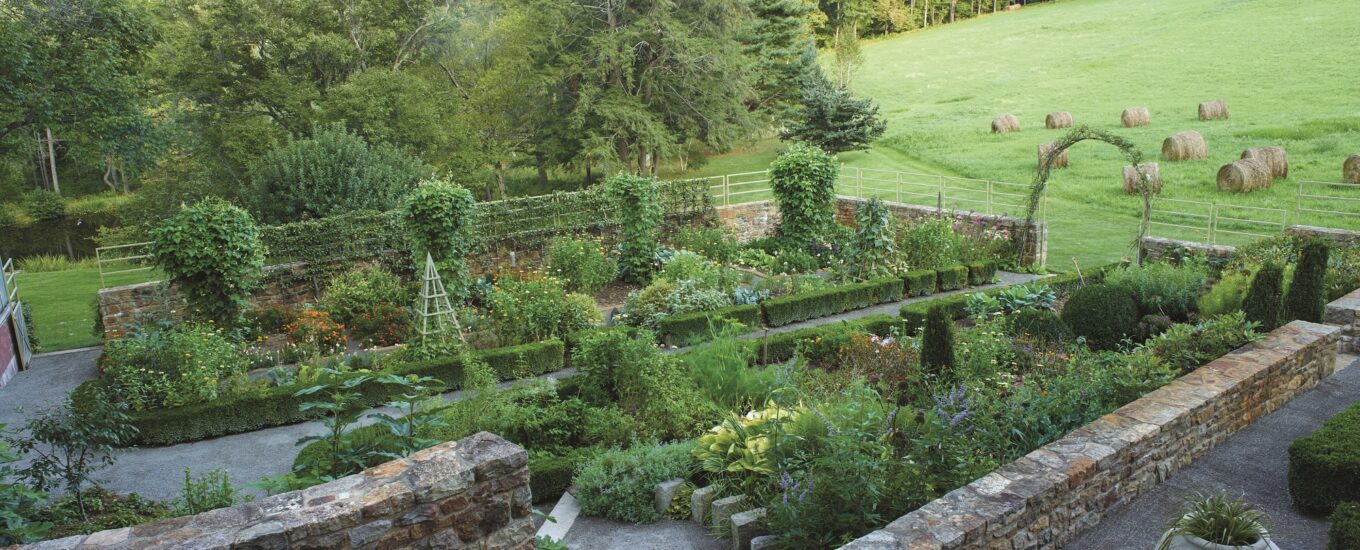
Our walk ended at an unkempt garden near two nineteenth-century barns. The vegetables were strewnwithin a messy plot marked by wooden rail fences, crooked beds, and a riot of overgrown raspberries.
I don’t know if I was fueled by city-bred chutzpah or intrigued by the pastoral possibilities, but the next words out of my mouth were: “If you ever need any help, I would love to work on this.”
Wayne and I married that next fall. Clearly, that garden really needed help, I now like to joke.
Almost three decades have passed since that first walk. I am proud to say that the lettuce grows bigger than my head, our annual cider pressing parties light up the barn in the fall, and, our side garden, aka the Medieval Village Center, is home to annual pig roasts. And winters? On the farm, those can feel like walking into a hearth-warmed fairy tale. Even my career evolved along the way, from a jewelry dealer to a jewelry designer creating pieces inspired by nature.
Bird Haven Farm, Ngoc Minh Ngo
I was recently reminded of the Farm’s transformation when my grandchildren, delighting in the magic of the land, turned to me to ask a question: “How is a farm made, Gigi?”
I could have easily said, “Fairy dust.” They were young, impressionable, imaginative. Whatever I answered at the moment satisfied their curiosity, but I lingered over the question for days after.
I recalled my eagerness all those years ago. I not only had a whole landscape I had pledged to help cultivate, but a new husband and two teenage stepchildren who had spent weekends, holidays, and summers on the Farm. I had more to nurture than the plants. I learned to tread lightly, to be respectful, to have patience(not exactly my strong suit). But I didn’t want to raze any memories or ruffle any feathers. My mother’s voice rang clear in my head back then: God loves a trier.
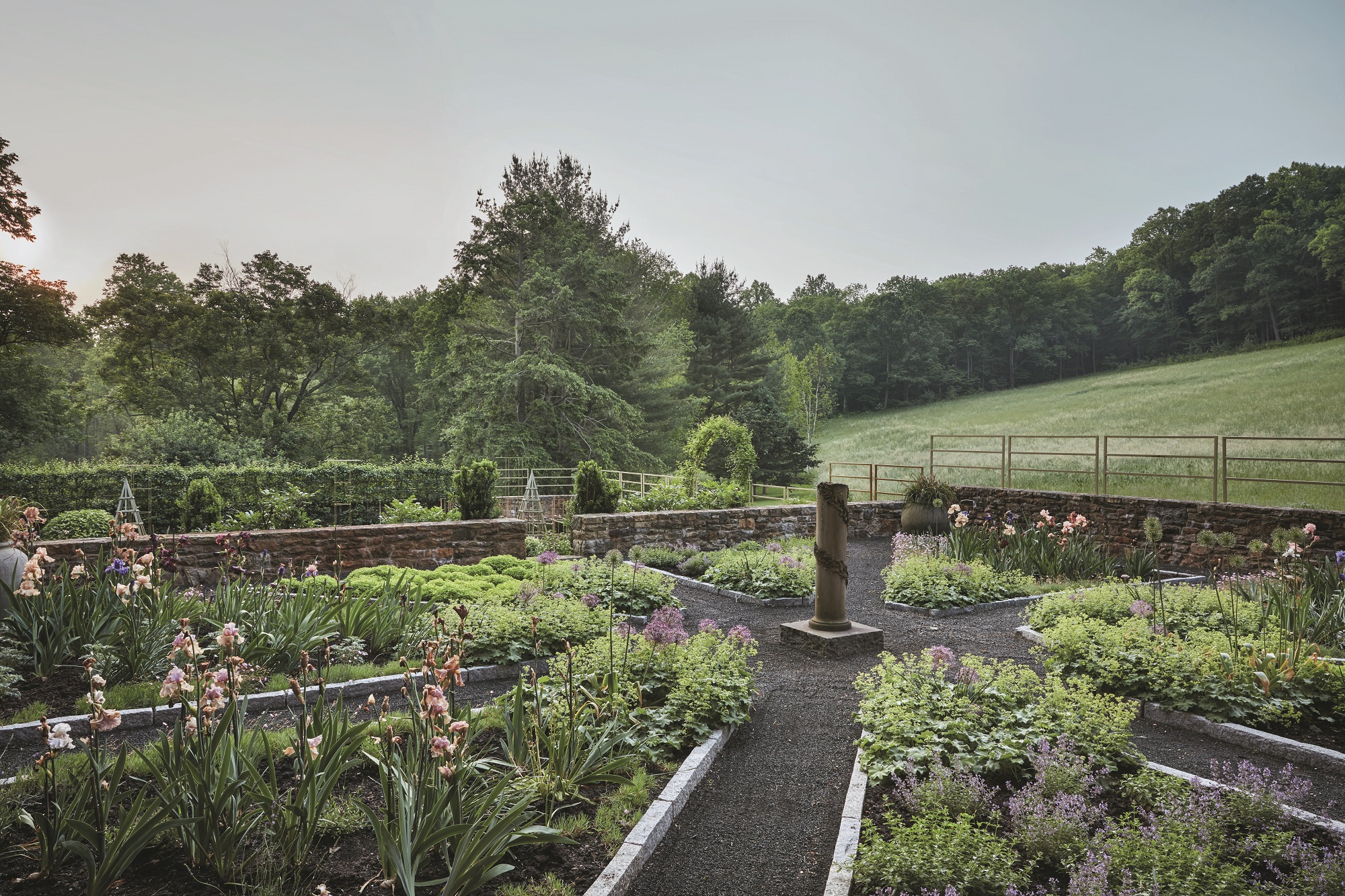
I followed her advice, and I settled in slowly. I could watch. I could wait. And, while I watched and waited, for a little immediate gratification, I cleaned up the enclosed garden and planted vegetables.
Things took root, sprouted, grew, ripened. We created recipes from the abundance and shared our first harvest as a family. Success.
But that small garden plot was a blip on a farm whose extent stretched across hills and forests. Among the hodgepodge were four hay fields, three houses, two barns, a pond with a small island, a dog pen, an apple orchard, and about seventy-five acres of woods. I struggled with where to begin.
What I needed was a visual plan, and that was something I knew I could conjure. I was a designer, a successful dealer of antique jewelry and decorative objects in New York. I had done a stint at Sotheby’s. I had opened my own Madison Avenue boutique. But I was a jewelry designer. I was used to thinking in millimeters.
I remember looking up from some seeds in my hand to survey the acreage. The farm loomed. It was all too big for me to make sense of.
Bird Haven Farm, Ngoc Minh Ngo
How wary I was of what to tackle first, or of making a beginner’s mistakes. Luckily, the repressed panic I felt manifested to the outside world as patience. So, I became even more “patient.”I clocked the seasons ebbing and flowing, the suns rising and setting.
The once-impatient Janet was now watching the water slowly drain after a downpour and noting the patterns it left as rivulets running over and down the hills.
I studied the apple trees’ evolution of flowering, fruiting, ripening, falling. I recorded where the snow piled up, what the deer ate, when the bears foraged, where the mice and groundhogs skittered. I would gaze out the window, watching squirrels stockpile acorns, and wonder, How can I make this truly beautiful? How can I make this all fit together?
Eventually, the farm was “made.” But not by me alone. There were plenty of visitors. The critters cycled in and out. History had made its imprint on the land. I researched old newspaper clippings to dig up rich narratives. I collected photographs to document the ensuing years and seasons.
A small cadre of experts helped me lift the landscape to the light, nourish the land, test the soil, and restore the historic buildings. I was careful to layer new with old, to move yet never entirely remove the most significant elements. “The Farm” became Bird Haven Farm, a place of purpose and connection, a nature escape, a harbor for curiosity and creativity and for sustenance.
The next time my grandchildren ask, “How is a farm made?” rather than saying, “With fairy dust and grit, patience, and trying,” I can hand them this book.
I hope this story inspires you to try something on your own, whether that’s planting an apple tree, sowing a few lettuce seeds, or hosting friends for dinner. We all have it in us to work together with nature and create beauty, then share it.”
To celebrate the publication of Bird Haven Farm, Janet Mavec will be in conversation with landscape designer Jinny Blom on Tuesday 17 March: book tickets and livestream