Related Events
Tommaso del Buono in Conversation
24 Mar 2026
Talks
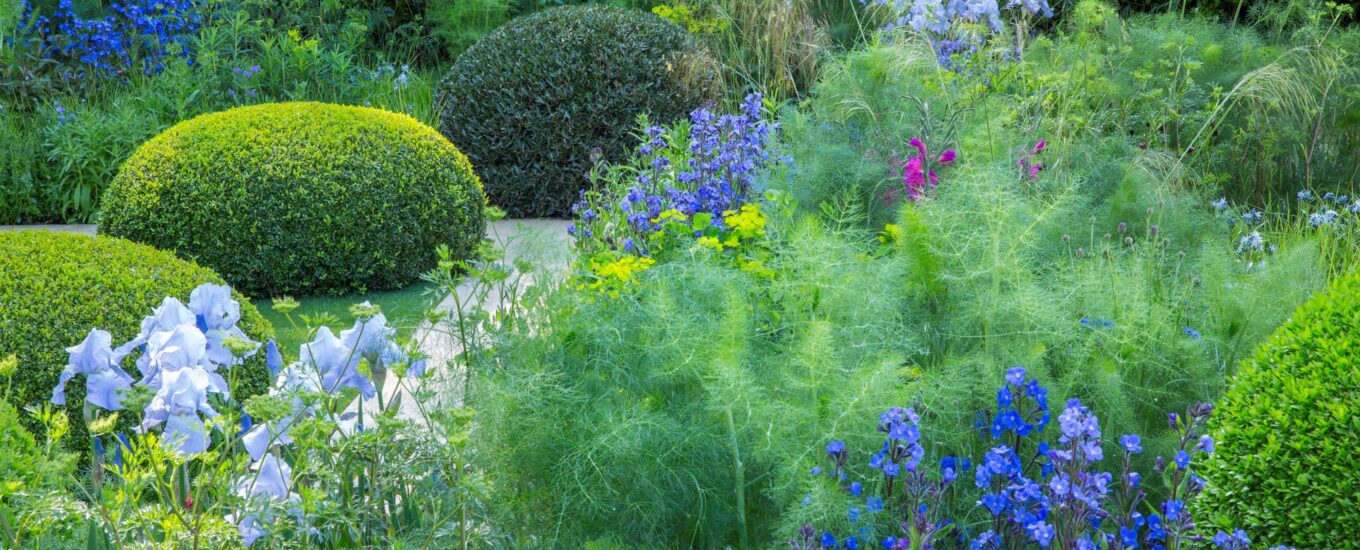
Tommaso's 2008 RHS Chelsea Flower Show garden, Marianne Majerus
When did you realise you wanted to pursue a career in garden design?
From an early age I wanted to be an Architect, until, as an 18 years old, I learnt about Landscape Architecture – a discipline that combines spatial design with horticulture and botany and that appealed immediately to me, I haven’t looked back.
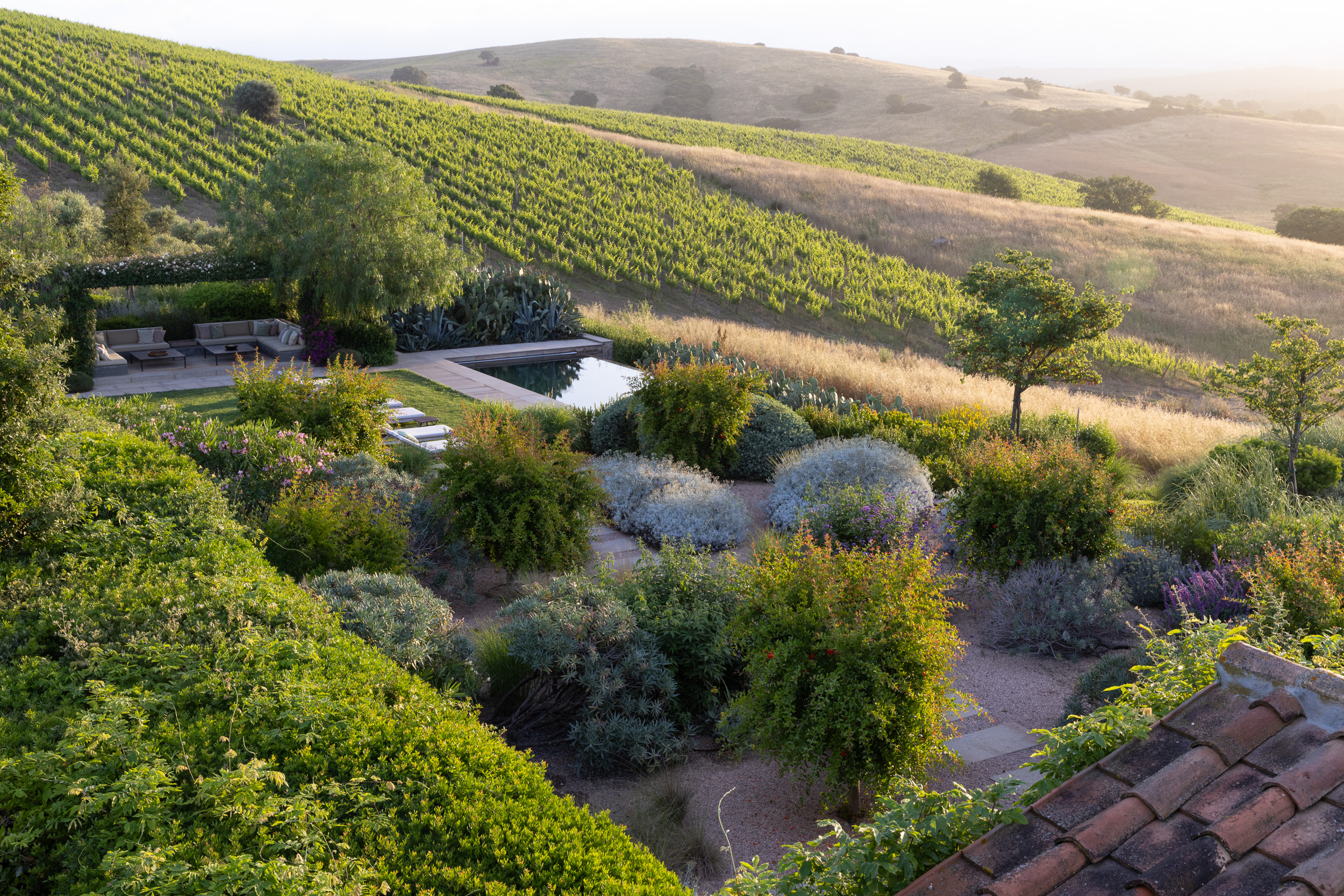
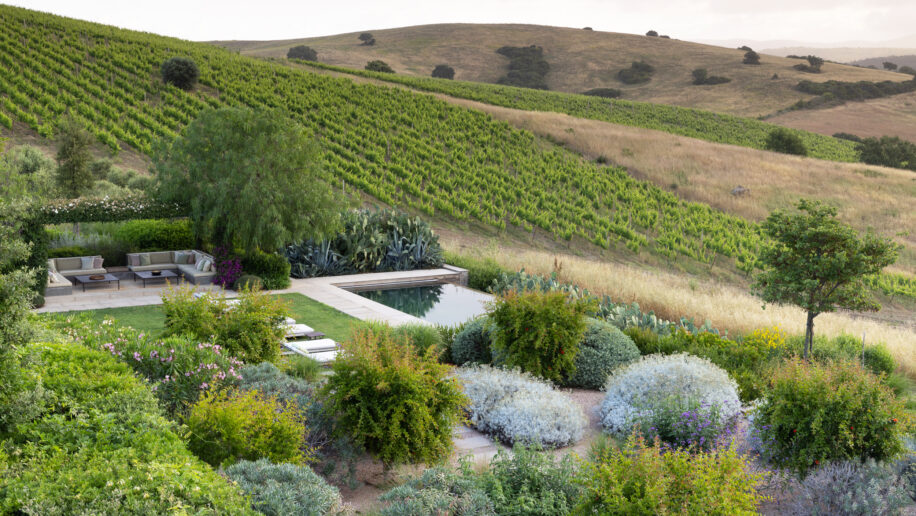
Capalbio garden by Tommaso del Buono, Richard Bloom
You’re now an RHS Chelsea gold medal winning garden designer, and your studio has offices in London and Florence. What did that career journey look like to get to where you are now?
Nothing happens overnight but I was lucky to have the chance to work with 2 very different but equally talented designers during my formative years, for more than a decade. Both were invaluable experiences but throughout this time I always knew I wanted to do my own thing eventually.
In 2000, I knew the time had come to strike out; there were many London gardens to begin with, and these gradually led to larger scale rural projects and the first commissions abroad.
A first show garden at Chelsea in 2008 was definitely a turning point, and everything just started to fall into place from then on. I’ve worked on some amazing projects, but it hasn’t always been easy, and it’s involved a lot of hard work
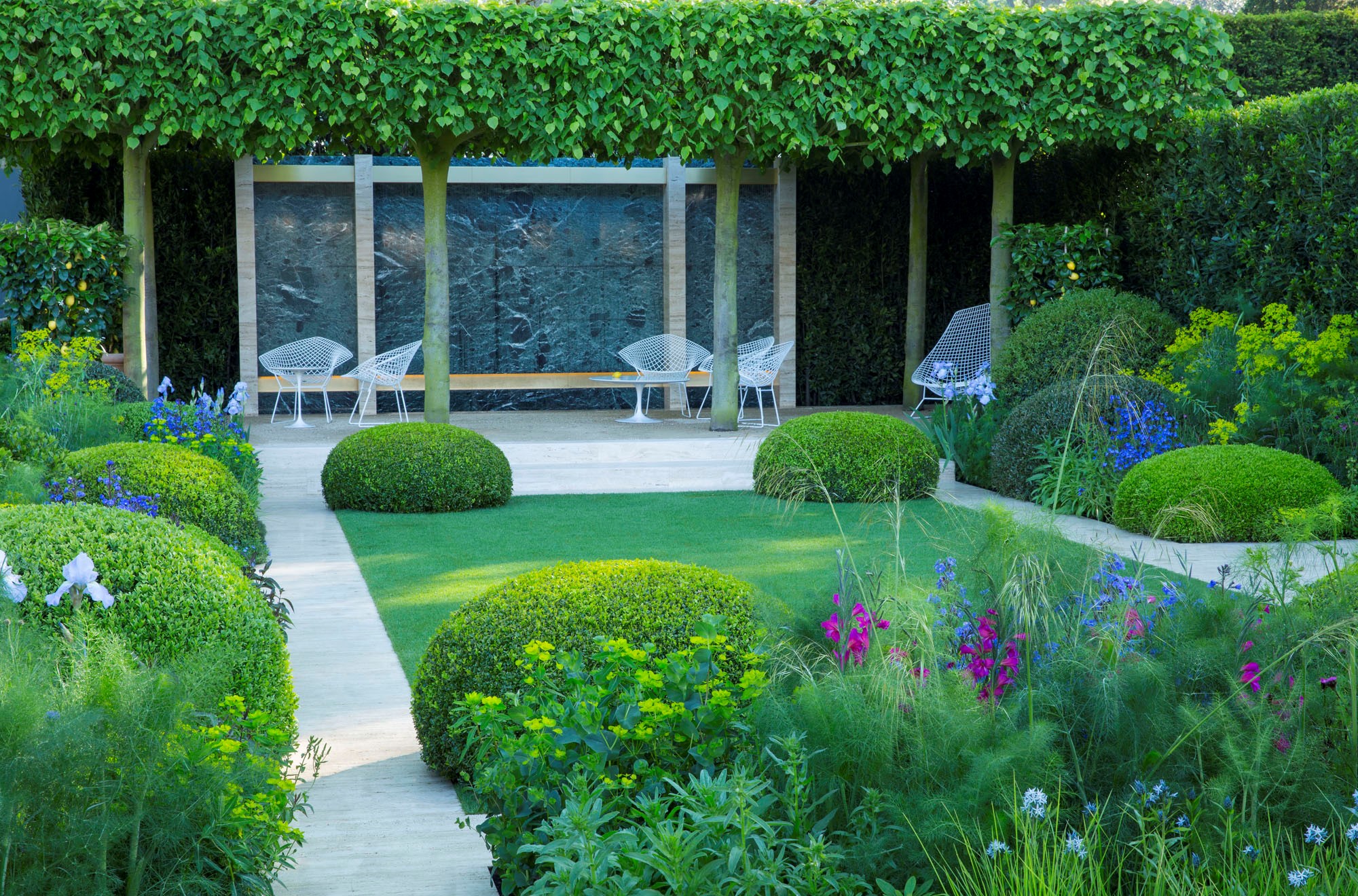
Tommaso's 2008 RHS Chelsea Flower Show garden, Marianne Majerus
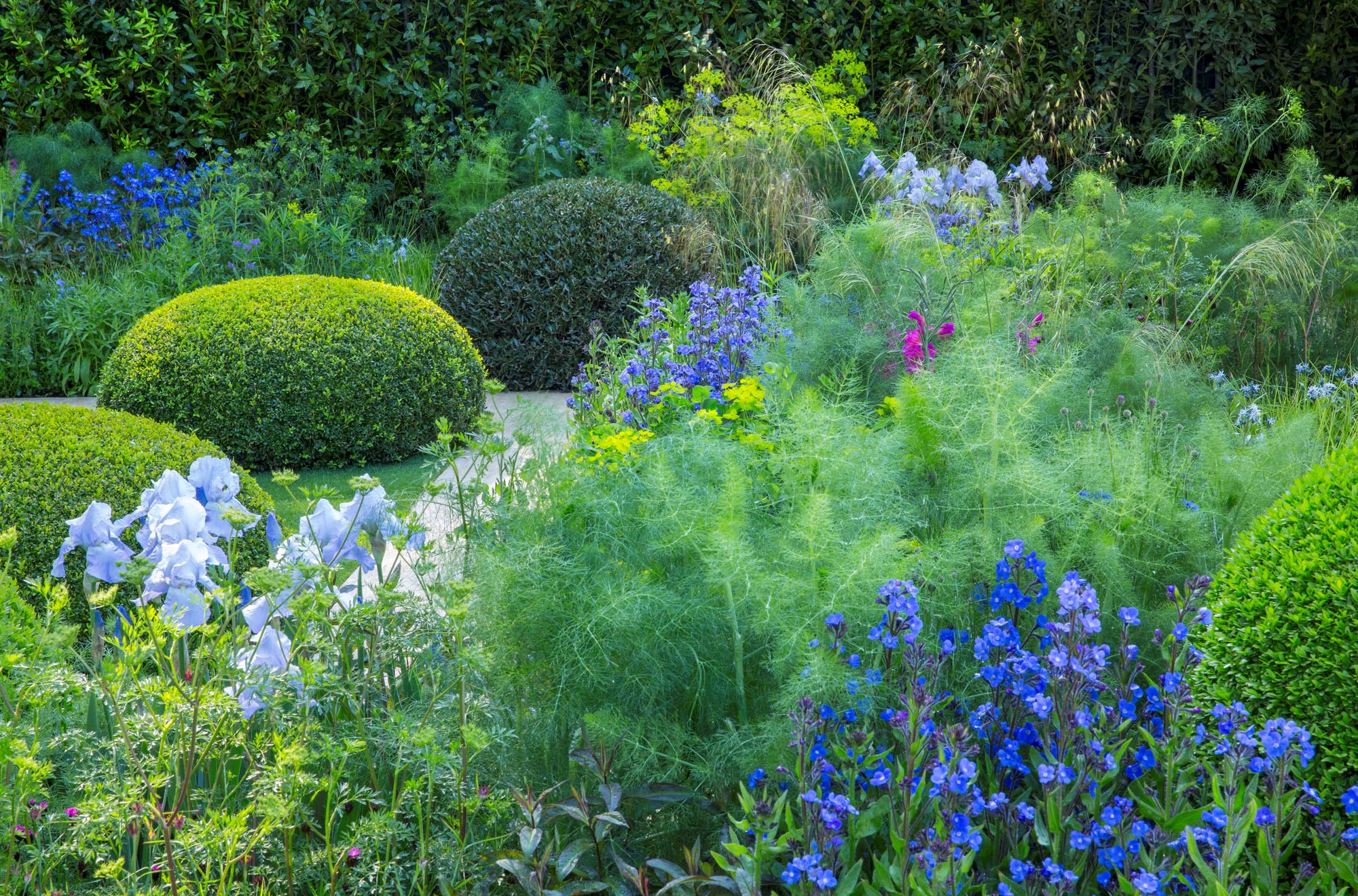
Tommaso's 2008 RHS Chelsea Flower Show garden, Marianne Majerus
What does a typical day in the life of a garden designer look like for you?
Nowadays, when in the UK, I work mainly from my house in Suffolk – this is where I find the peace and quiet I need to design, even though it is difficult to resist the temptation of the garden beckoning just outside the windows; there’s always something that needs attending to.
By contrast I go to the office much more regularly when in Florence – it is an easy and lovely commute, I enjoy the company of my colleagues and the direct exchange of ideas and opinions much more than constant video calls.
Where do you find inspiration? And when you’re not working, do you have any favourite gardens to visit or places to immerse yourself in nature?
Inspiration can be found in everything and is everywhere. I never sleep on the train or during car journeys- you learn so much just observing the scenery flying past: what grows where, how and with which other plants… one never stops learning.
Movies, fashion, architecture- in fact all design disciplines – offer constant visual stimulation and endless ideas.
I love visiting gardens… Courances, just outside Paris, was a revelation when I first visited in the 80s, as were the great British Edwardian gardens like Sissinghurst and Hidcote. Boboli in Florence must have however left an indelible mark, we used to be taken there for our PE classes when I was at school and I love it to this day with its formal layout sitting beautifully on the hilly site, and the views are stunning.
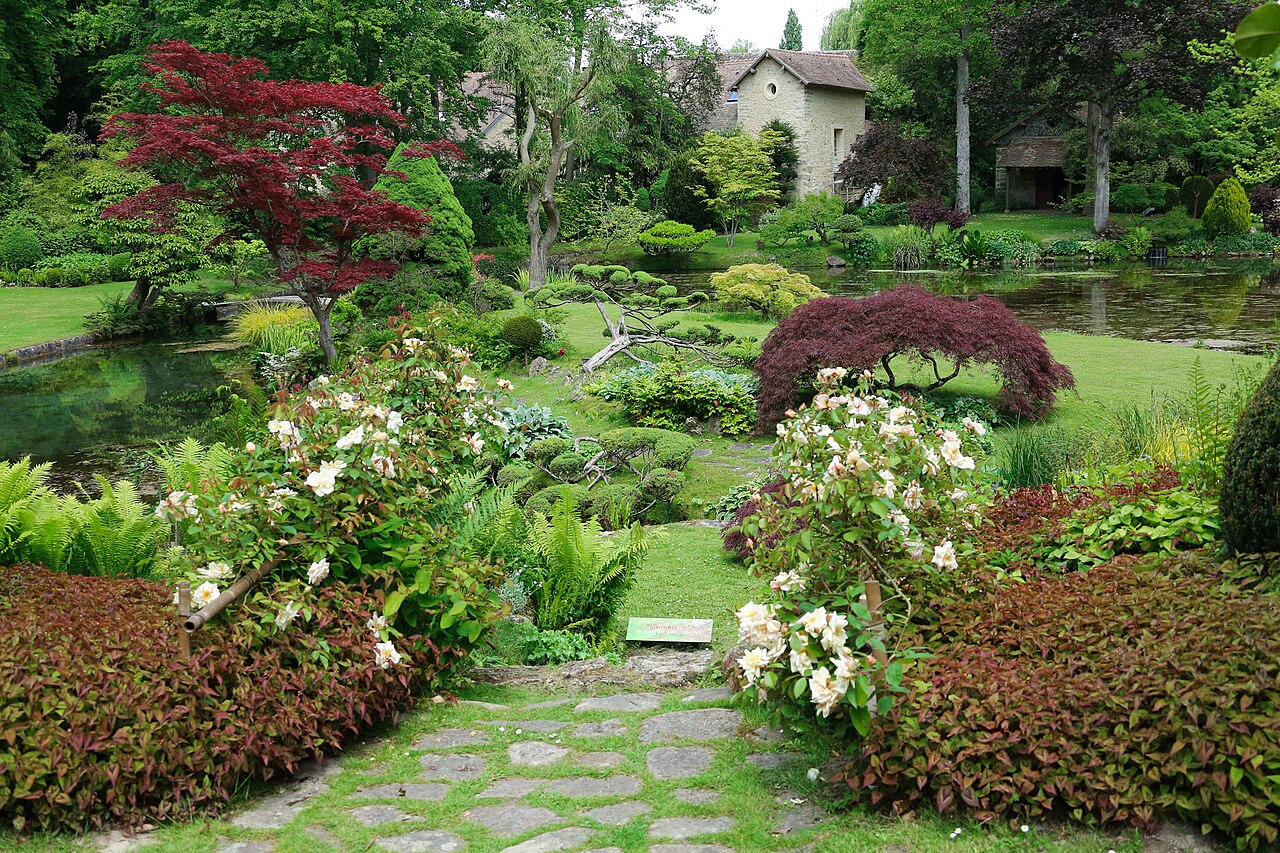
Jardin japonais du Château de Courances, Creative Commons
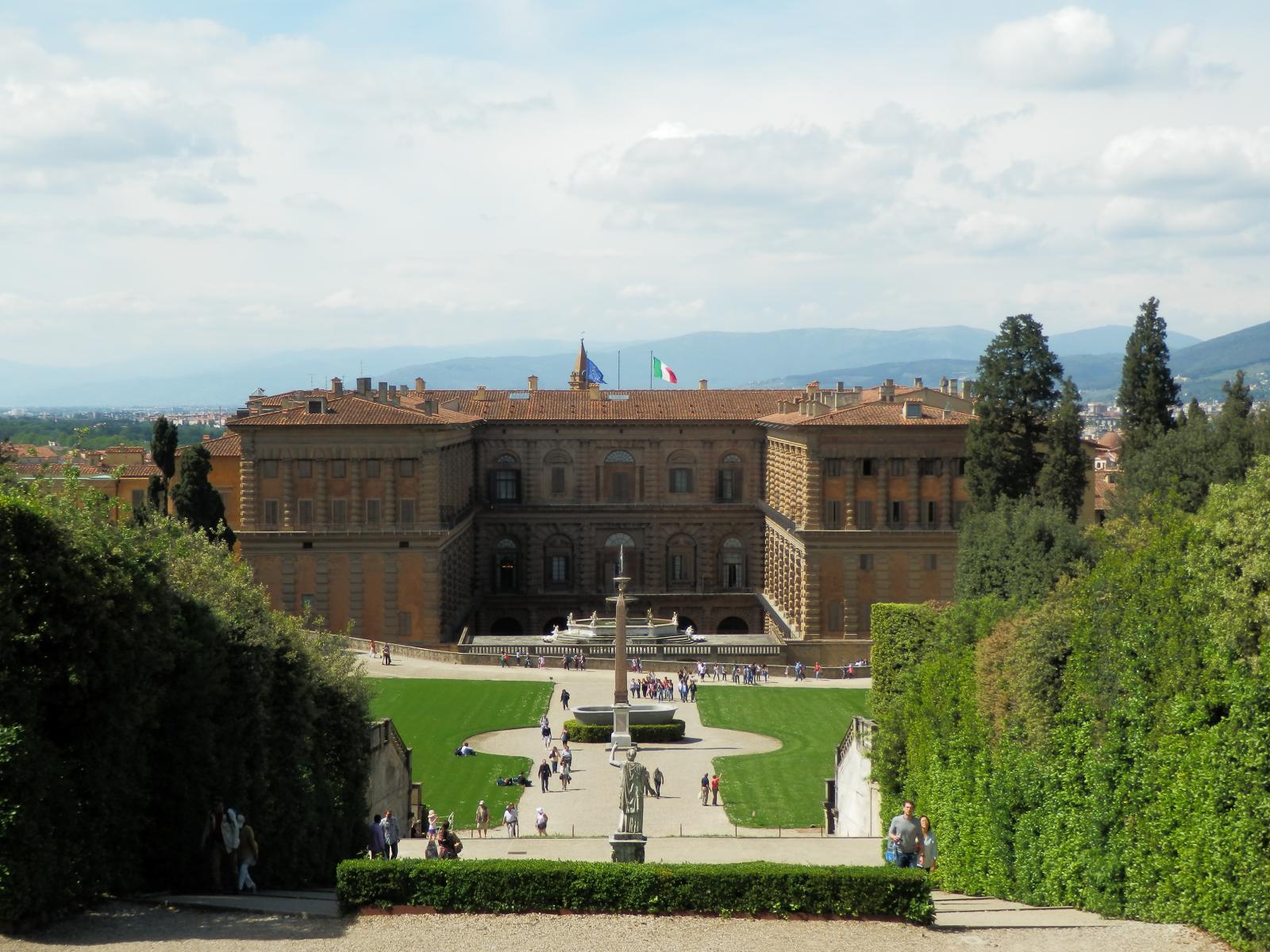
Boboli Gardens, Pitti Palace, Florence, Italy, Eric Meyer
What are some projects you’ve worked on that you are particularly fond of?
The list is quite long by now, every project is special and different. I have very fond memories of both my Chelsea gardens but Léoube, in Provence stands out, it was a tour de force that kept me busy for several years. There I was able to work on a grand scale, create a garden, and connect it to the surrounding landscape from very little that was left. It is definitely one of my best endeavours, and I am very attached to it as a project.
I love making gardens in the Mediterranean sun; being Italian, I guess this is where I feel most comfortable and at home. At this time I am enjoying the projects I am busy with in Greece and my native Tuscany.
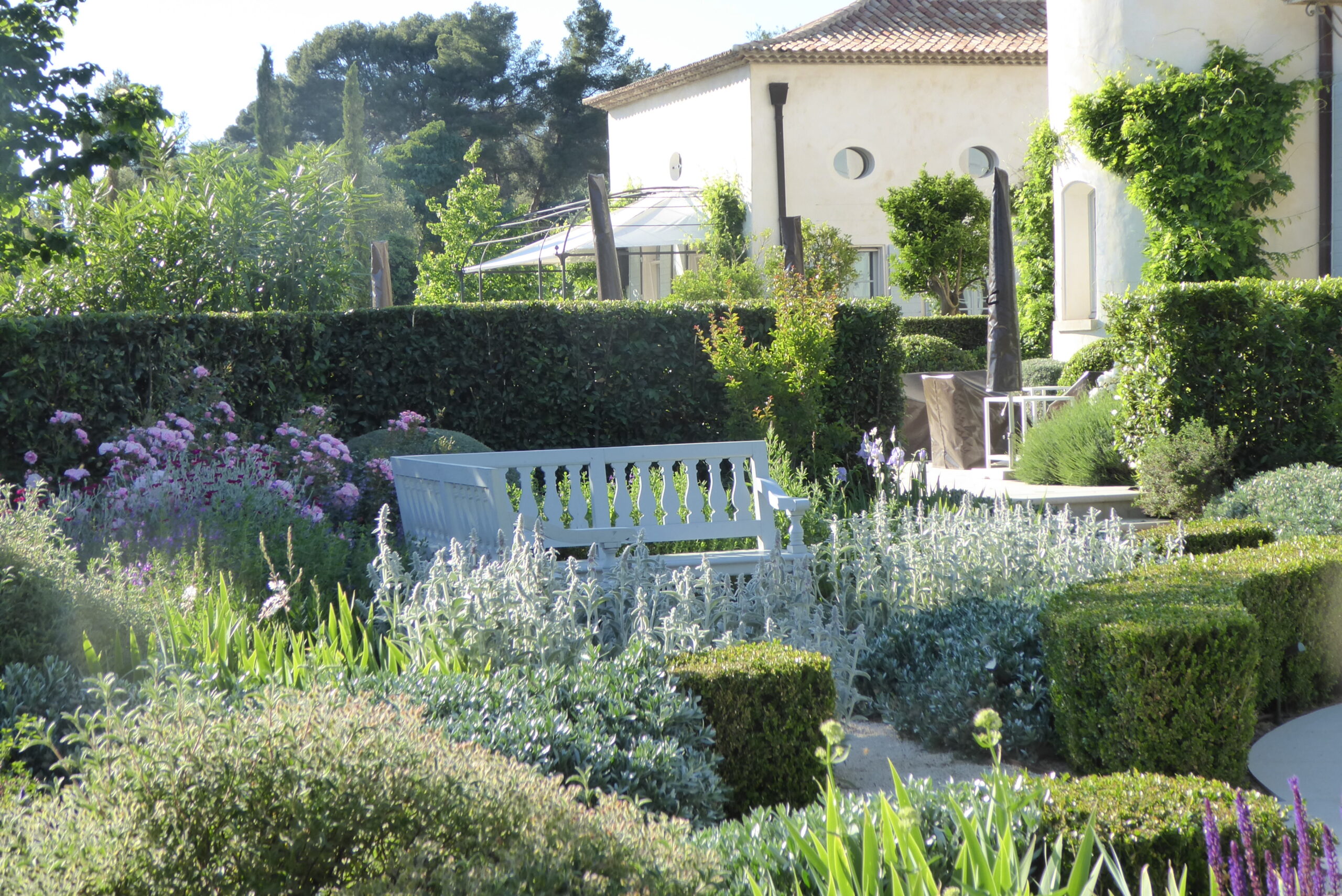
Léoube, in Provence, Tommaso del Buono
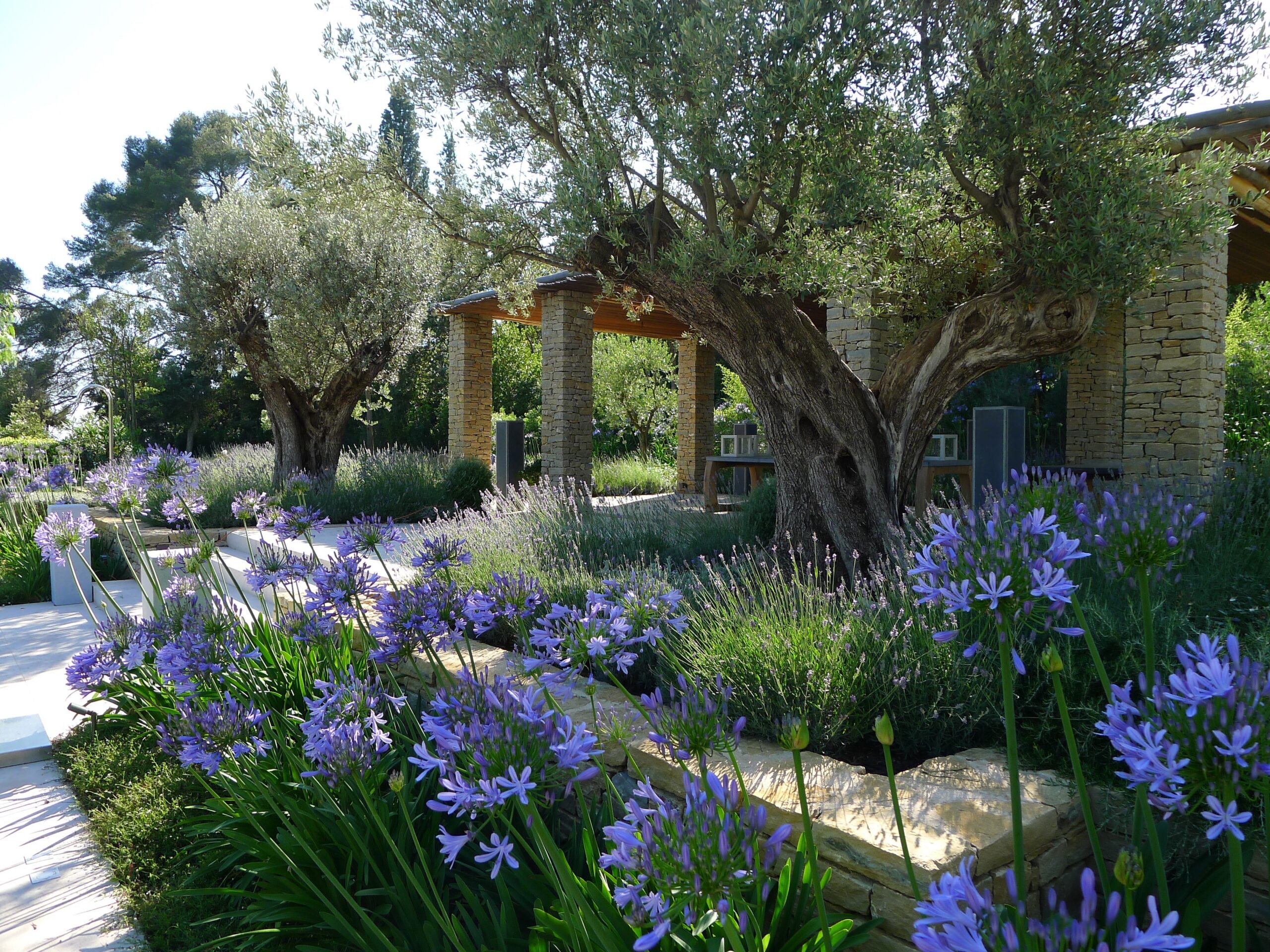
Léoube, in Provence, Tommaso del Buono
How would you describe your approach to your own garden, and does it influence your work?
A few years back I made a conscious decision to make my garden in England rather than Italy… the climate and soil in this country are generally wonderful, they open up a whole world of horticultural possibilities.
I live in an old house and it is important to me that the garden should complement it rather than fight against it. I am quite old fashioned in this sense and love the variety and profusion of flowers I can grow here. I manage it in a relaxed fashion and allow intruders to colonise it, as long as I can keep them in check and they are attractive.
Yes, it is a great testing ground for ideas and plants and that I very often I like to use within my projects.
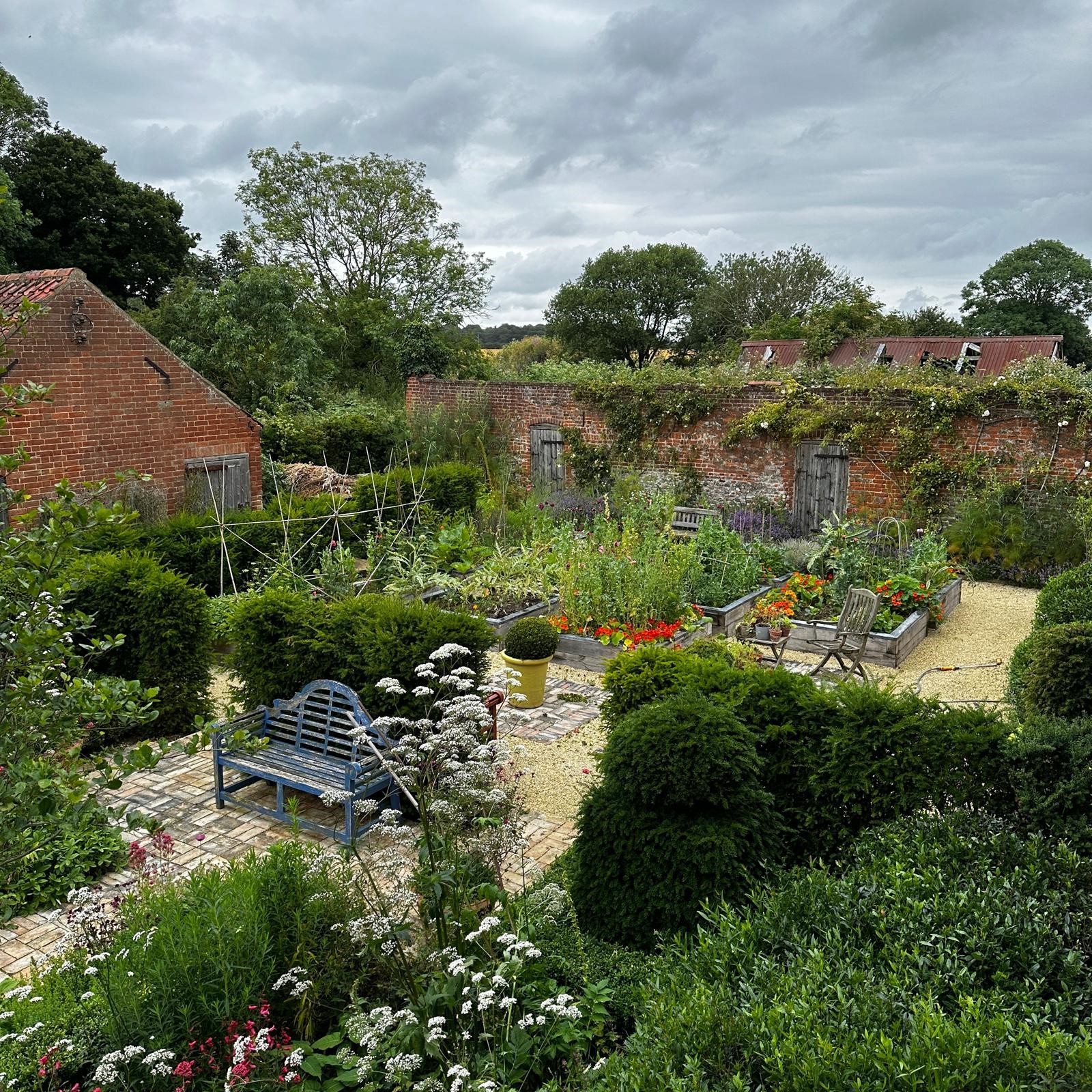
Tommaso's garden, Tommaso del Buono
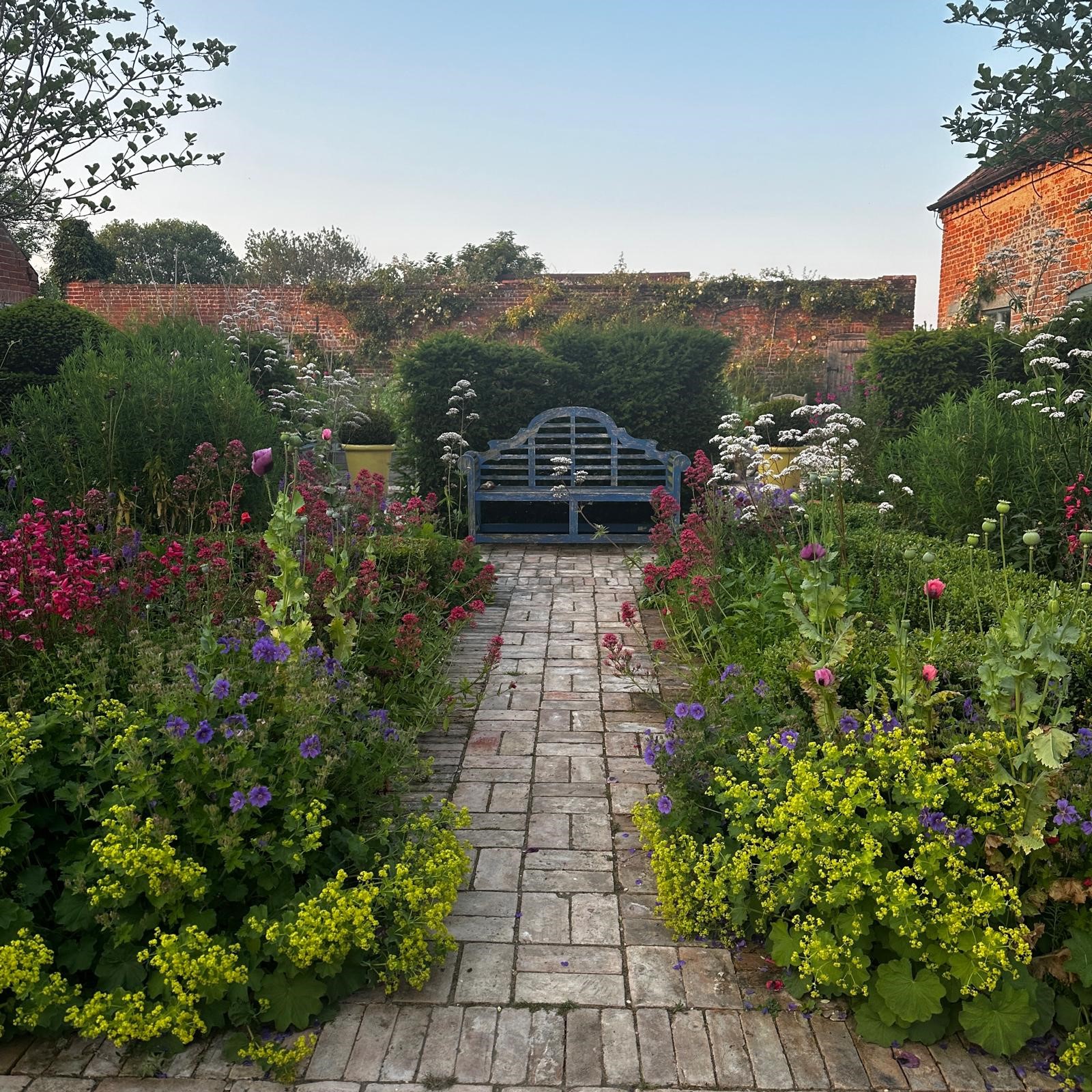
Tommaso's garden, Tommaso del Buono
Do you have any tips for people who want to think like a designer when looking at their own garden?
It is, of course, important to spend some time and get to know your plot well prior to embarking on any major transformation and plantings. If you get the bones right the rest will follow.
The best gardens often result from one bold, clever idea carried out all the way through… try not to get waylaid or tempted to squeeze too much or too many contrasting concepts within the same space.
Lastly, since we’re the Garden Museum, could you share your personal relationship with plants, gardening and nature?
My garden is definitely my happy place, and gardening, whether strenuous or just pottering around doing some gentle weeding – is the best way I know to relax, recharge and reflect.
Tommaso del Buono will be in conversation with Clare Foster at the Garden Museum on Tuesday 24 March at 7pm. Tickets available to attend in person or watch online (live or on demand): book tickets
24 Mar 2026