Photo Gallery
26 Mar 2026, 7pm - 8pm
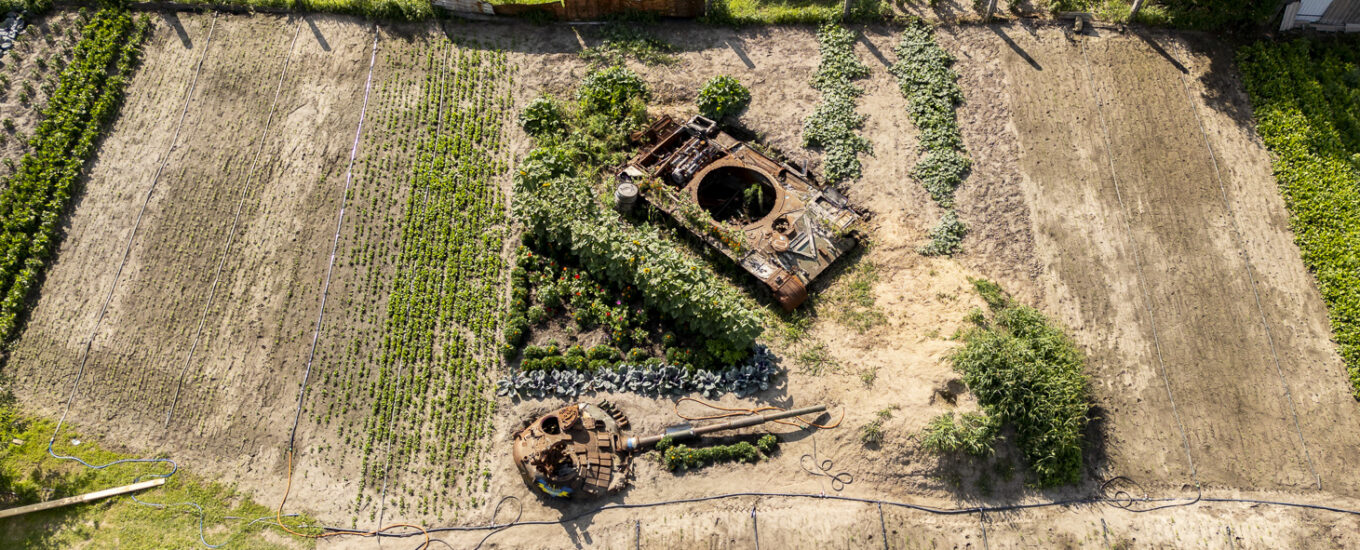
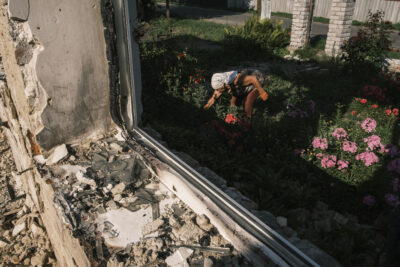
July 16, 2023. Remains of the destroyed Russian tank in the vegetable garden of the family of Julia Semynoh in Velyka Dymerka, Kyiv region, Ukraine. Julia and her family fled and managed to avoid Russian occupation. After Ukrainian forces pushed Russian army away from the Kyiv region at the beginning of April 2022 and Julia’s family came back, they saw that their house was destroyed and in the garden, there were remains of the Russian tank. As the events took place in spring, Julia's family rushed to plant the vegetables as it was their source of income before the war. When local village authorities managed to send heavy machinery to extract the tank from the vegetable garden, the family didn't let them: heavy machinery would destroy the fresh greenery. Later, the family refused to extract the tank as they were busy rebuilding the house and again there was no way heavy tractors could get inside the garden. At the end of 2022, Julia's children said their word against tank extraction, too: they started painting and selling parts of the Russian tank on both Ukrainian and international online auctions like Etsy and raising funds for the Ukrainian Army. Thus, the tank remained in the veg garden throughout the second war season of 2023 before finally being removed in late 2023.
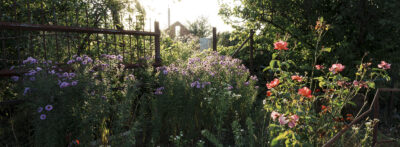
There is nothing more poignant than a garden partially destroyed by tanks, flowers still blooming amidst the chaos.
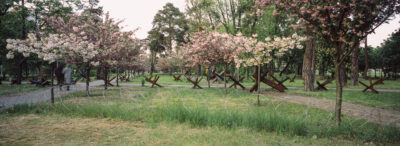
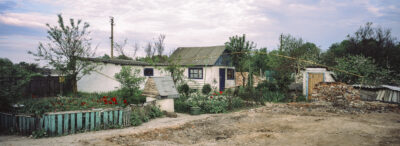
At the height of the war around Kyiv in 2022, photographer Sergii Polezhaka began documenting war-torn gardens – an abandoned tank amid neat rows of vegetables; cherry blossom trees with trenches dug around their roots to preserve them; a tended rose garden beside a bombed ruin.
These images tell the story of a resilient nation. In Ukraine, the words land, soil, country and place share a single word – zemlya – and these gardens offer a powerful new lens through which to understand the ongoing war.
Sergii and his wife Maria, also a garden photographer, join Clare Foster in conversation to share these haunting images and their experience of living through the conflict.
25% of ticket sales will be donated to the Memory Garden, on the grounds of the National Museum of Folk Architecture and Life of Ukraine in Pyrohiv for those who have lost loved ones in the war.