Posted on 25 Jun 2026

Gardens

By Amy Thomson, Horticultural Trainee

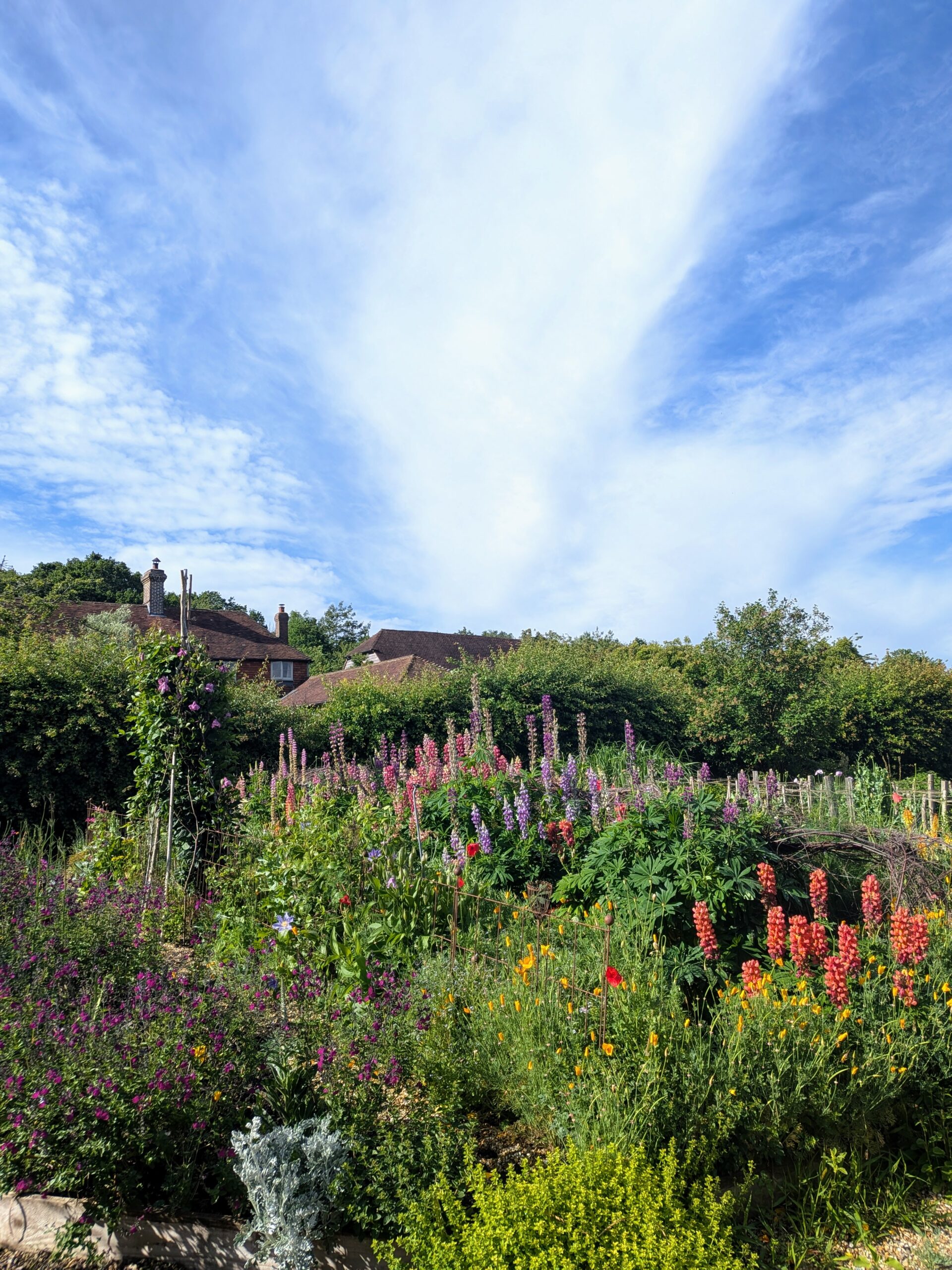
As I arrived at Perch Hill on Monday morning, there was a cool breeze and an expectant hush that seemed to anticipate a warm June day. Walking through the hedgerow, I was immediately greeted by the spectacular and romantic vision of Sarah Raven’s family home and front aspect of the garden. Cottage garden favourites including roses, lupins, alstroemeria and Papaver orientale ‘Patty’s Plum’ were backed by a tapestry of woodland inspired planting featuring Astrantia major and Penstemon digitalis. I would later learn that this is where Sarah Raven’s dahlias are trialled by Head Gardener and dahlia expert Josie Lewis. To the left, a cat’s cradle of support twine patiently awaited the lofty growth and vibrant blooms of late summer.

Lupins and poppies

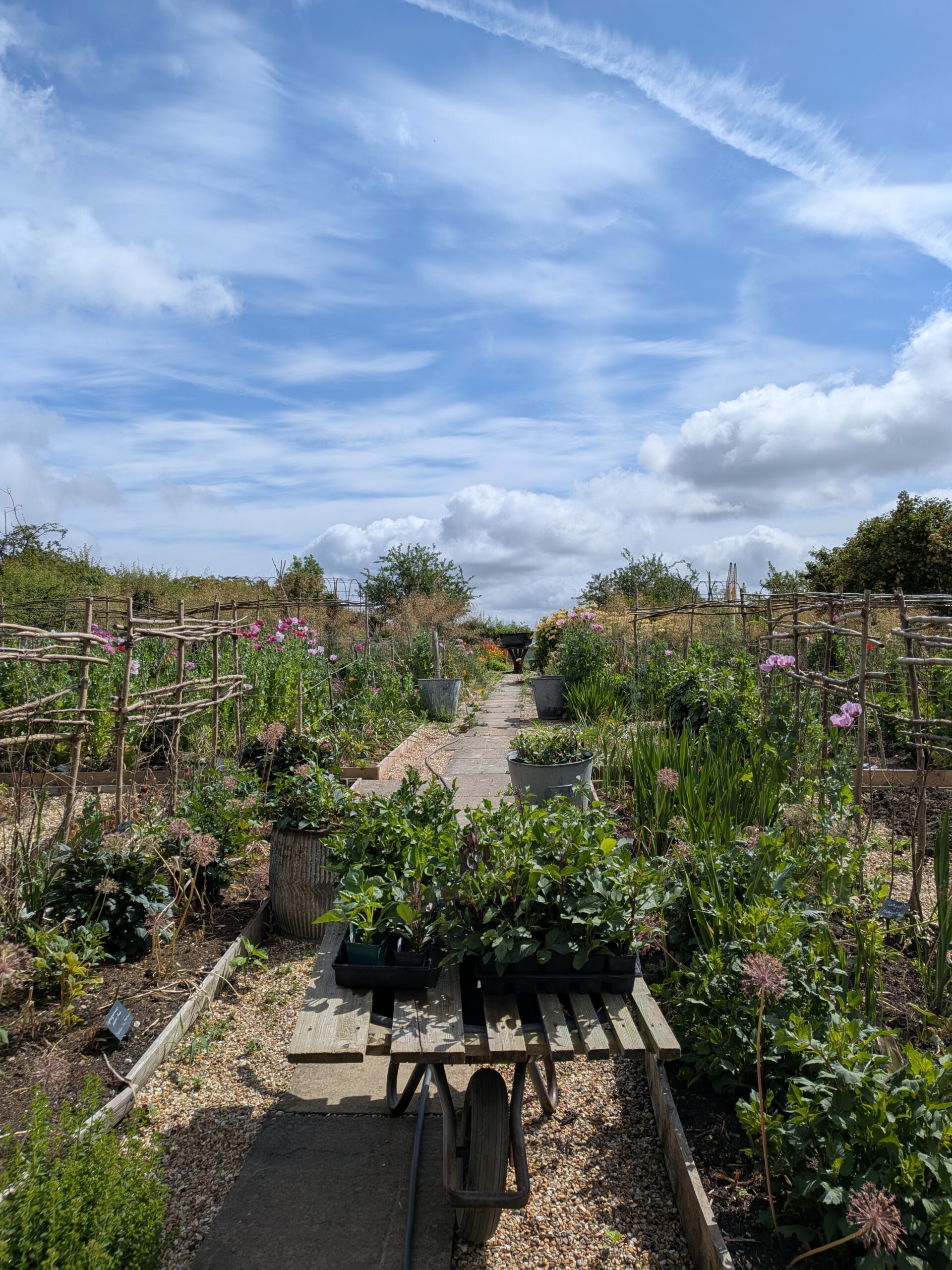
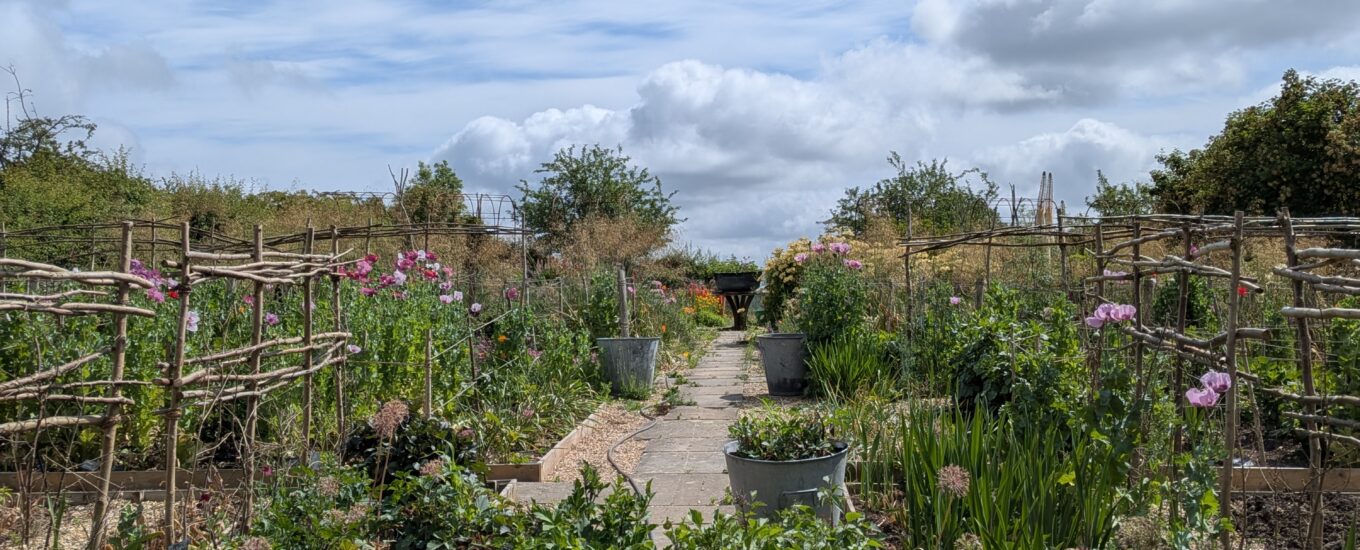
Following the gravel path, dotted with tall pots planted with Panicum grass and Chocolate cosmos, I was met by Josie, who warmly introduced me to the garden and her wonderful team of gardeners. From there, I began exploring the garden’s circular route, which flows from the Greenhouse and Kitchen Garden through to the Rose, Perennial, Cutting and Oast Gardens. What struck me most at this time of year was the extraordinary sea of Papaver somniferum weaving throughout the planting. Delicate shades of pink, mauve and lilac were punctuated by occasional flashes of red, while natural cross-pollination had created an array of unique colour combinations. When the wind arrived later in the week, the poppies moved together in a hypnotic hula-hooping motion, bringing a palpable sense of movement and life to the garden.

Pinching out Dahlias

After familiarising myself with the garden, I joined the team in transporting approximately 200-300 dahlias from the polytunnel, ready to be planted within the cat’s cradle support structure. The collection was vast, comprising varieties at different stages of development: some in their second year of trials, while others had only recently been bred through pollination. A late frost followed by a May heatwave had delayed the dahlias being planted out, so my first task was to pinch out the apical stem to encourage branching and promote stronger growth. Josie explained that although this technique delays flowering by a week or two, something many dahlia breeders are reluctant to do in order to assess a new flower quickly, it ultimately extends the flowering season and increases the number of blooms produced.

This practice reflects a key part of Perch Hill’s philosophy. Originally designed as a cutting garden, the emphasis is on encouraging plants to produce an abundance of “cut-and-come-again” stems throughout the season. Sarah’s memorable advice, “If in doubt, pinch out”, now rings firmly in my ears whenever I tend to my own cosmos seedlings.

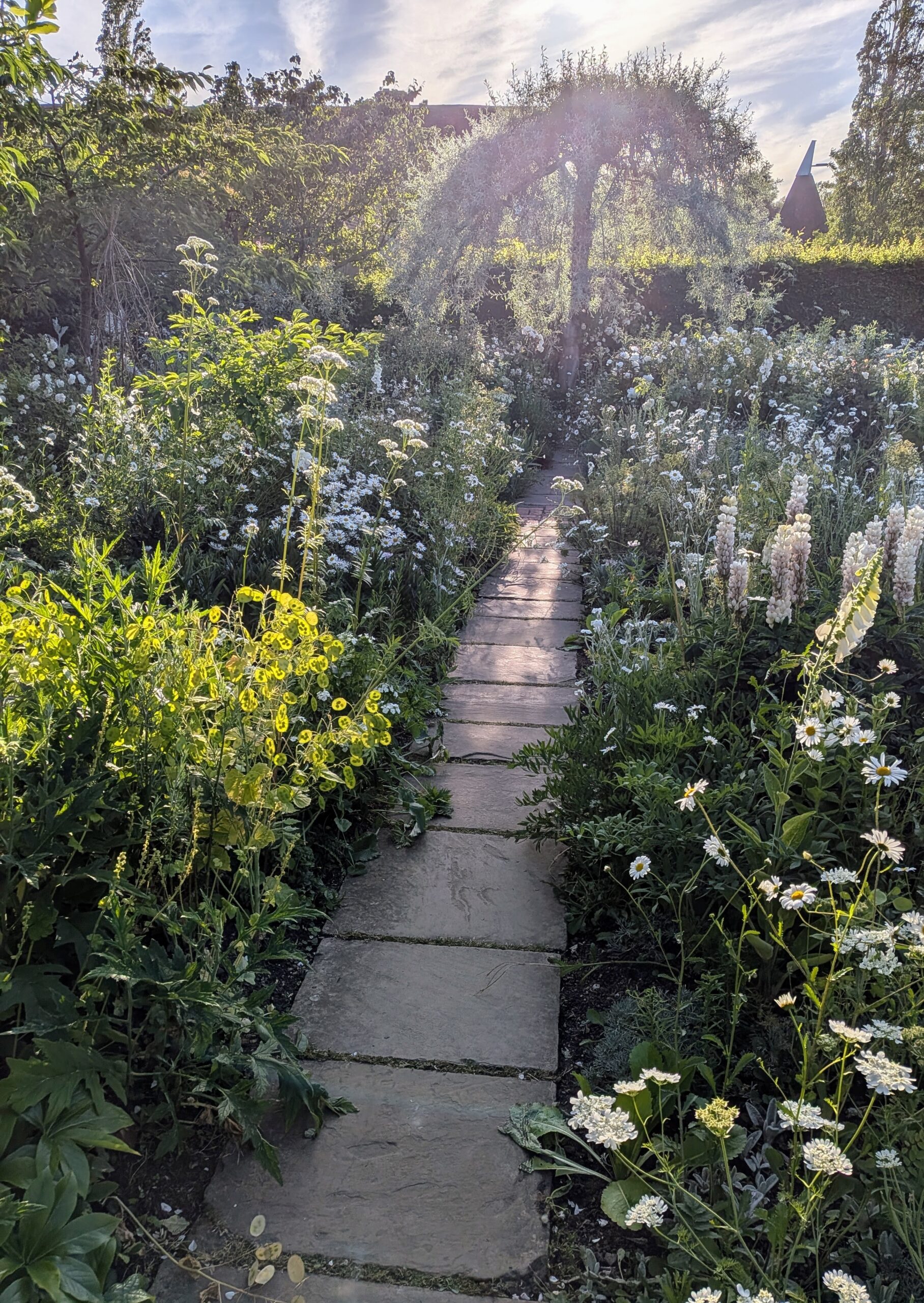
White Garden at Sissinghurst

Later in the week, I helped plant the beautiful collection of containers in the Rose Garden, where Josie explained some of the informal principles used to create successful planting combinations. Much like floristry, plants can be grouped into the categories of “filler”, “spiller” and “thriller”, while colour palettes are often described as “the bride”, “the bridesmaid” and “the gatecrasher” to conceptualise harmony, contrast and focal points within a scheme. The pots we planted combined Ipomoea purpurea ‘Grandpa Ott’, Dahlia ‘Night Whisper’, Panicum capillare ‘Sparkling Fountain’ and Pelargonium ‘Attar of Roses’. These were planted into compost produced on site, with additional grit and seed compost incorporated to improve structure and drainage.

Cut flowers in vase

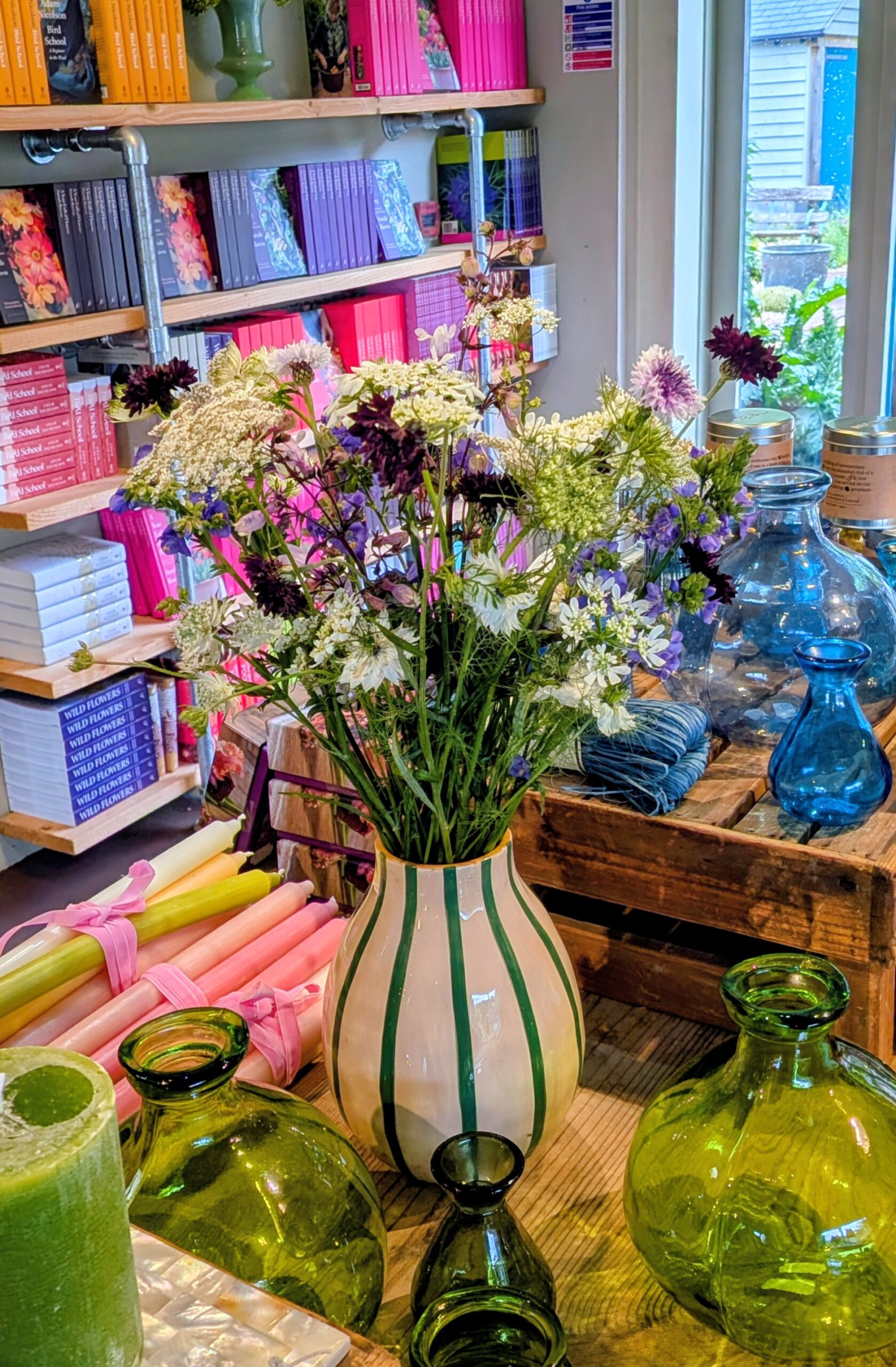
In preparation for an upcoming open garden event, ‘An Afternoon at Perch Hill and Evening at Sissinghurst’ hosted by Sarah Raven and her team, I also helped Event Manager Ella cut annual flowers for the vases displayed throughout the shop and visitor facilities. During the thunderous down pours, I found myself particularly drawn in the cutting garden to the gentle Orlaya grandiflora, the airy Nigella damascena ‘Miss Jekyll Alba’ and the deep Centaurea cyanus ‘Black Ball’. With so many cut flowers on display, careful conditioning is essential. One of many useful tips I picked up during the week was to briefly dip the stem ends in hot water before arranging them, helping to improve water uptake and extend the life of the flowers in the vase.

During the event, I was fortunate to listen to fascinating talks given by Sarah and her husband, Adam Nicolson, author and grandson of the renowned writer and garden creator Vita Sackville-West. It was a special opportunity to learn more about the history, ethos and vision behind the gardens and those who created them. Refreshingly, Perch Hill and the way it is cared for has a desirable looseness to it. Whilst carefully curated, the planting retains a natural quality and is not overly manicured. I discovered that this approach is similar to the style in which Vita Sackville-West developed her garden at Sissinghurst, drawing inspiration from William Robinson and the naturalistic planting at Gravetye Manor in the twentieth century. As a result, Perch Hill has an intentionally relaxed and free-spirited character that makes it a pleasure to walk around and admire.
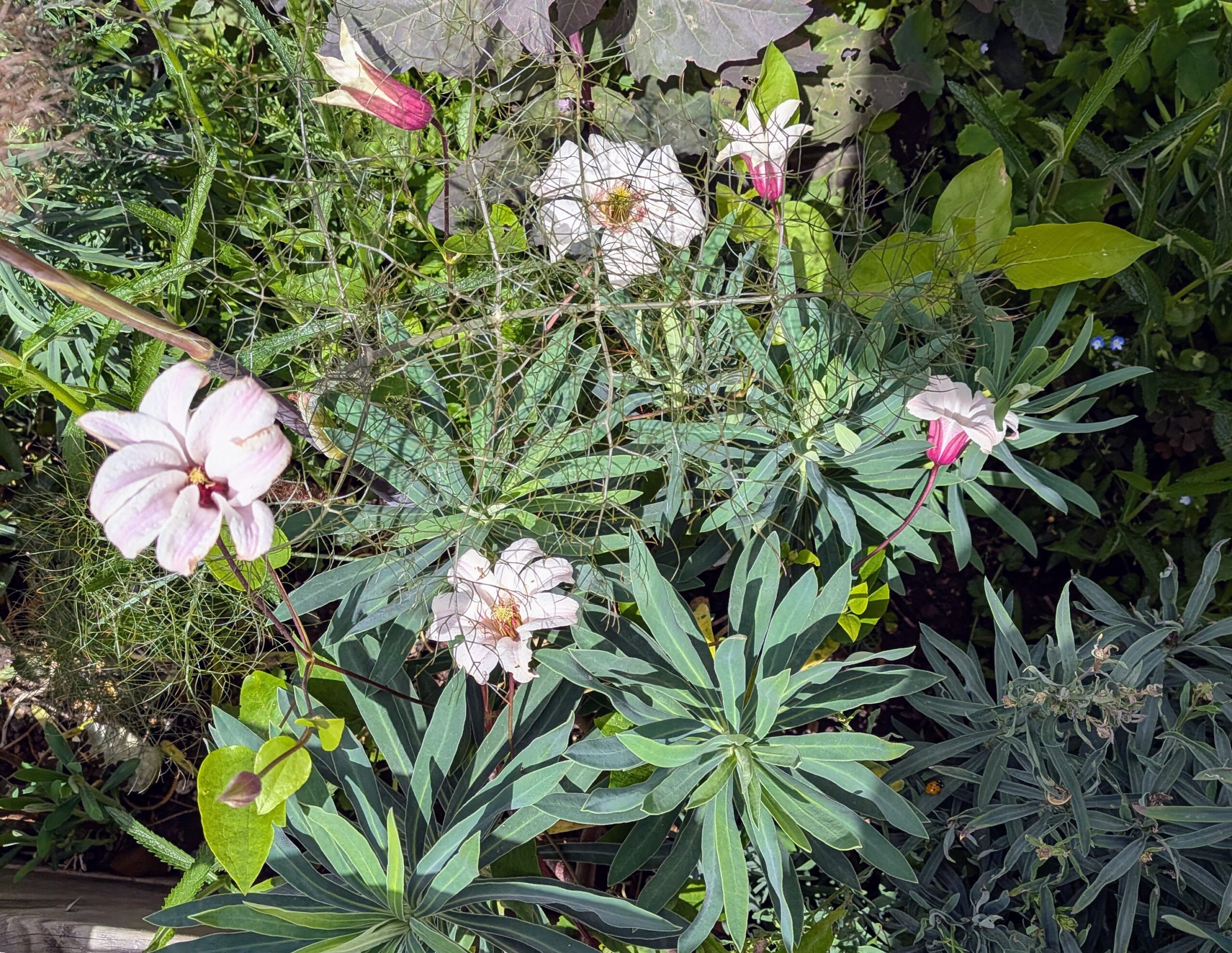
Clematis Princess Kate

As with my other garden visits, I have been incredibly fortunate to work alongside teams of highly knowledgeable and generous gardeners, and Josie’s team could not have been more welcoming. Their individual passions for plants were infectious, notably Assistant Head Gardener Joe’s expertise in irises, and spending time listening to horticultural insights over a cup of tea in the gardeners’ quarters was a real highlight of the week. After several busy days helping to plant dahlias, gladioli and learning valuable cut-flower knowledge to take back to the Garden Museum, I left feeling inspired and full of ideas. Having seen the garden at the start of its peak season, I know I must return in late summer to see the dahlias and the rest of the garden in their full glory.

Follow Amy on Instagram: @hidden_horticulture