Posted on 23 Apr 2026

Black Gardening in Britain

In the second of his series of three articles on building a collection of Black garden history, Special Projects Officer Edward Adonteng shares his work getting the word out and acquiring objects.

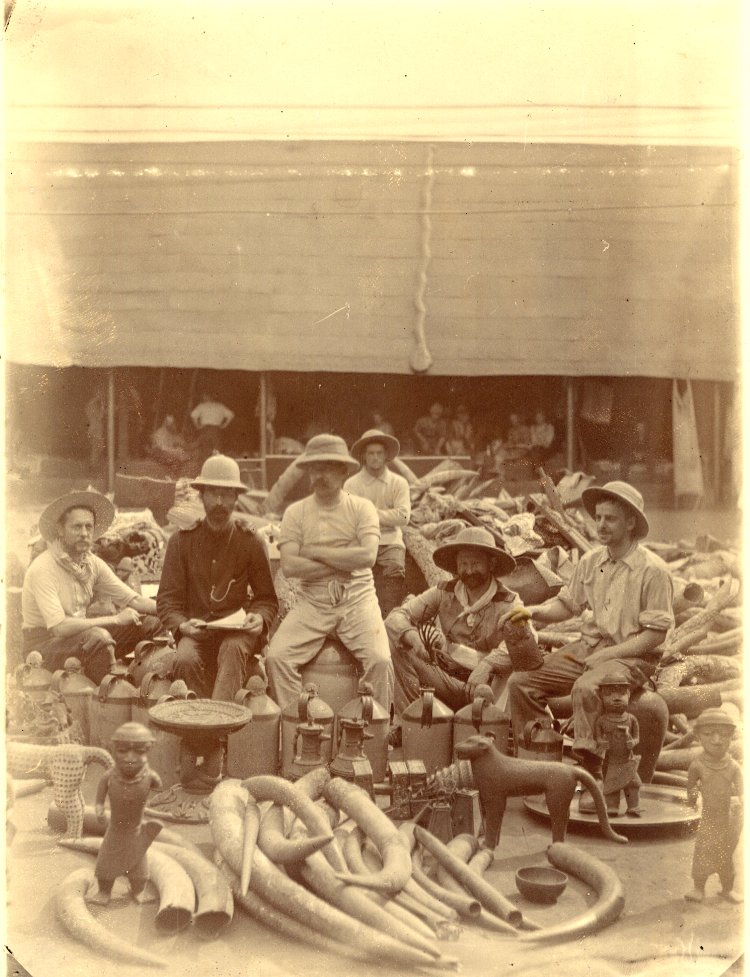
Acquisitions were a defining part of my time at the Garden Museum. I have always been so interested in the process of how objects get into a museum. Unfortunately, my canon had been that of pillage, of unfair acquisition, whether this was through the swindling or destruction of communities. My mind goes to the Benin Bronzes, a group of metal plaques and sculptures that once adorned the royal palace in the Kingdom of Benin. The Bronzes, alongside other artefacts that included Benin visual history and mnemonics, were taken by British expeditionary forces in a punitive campaign in February 1897.

Looted objects from the Benin Punitive Raid, 1897

Of these, 2,500 were sent to Britain, with 40% of these artefacts being acquired by the British Museum. As of 2025, there are movements towards restitution, albeit cumbersome. However, the Bronzes that are currently displayed in Edo State (where the Benin Palace once stood) are replicas. What does this mean for people who want to understand their traditions? Whilst these are replicas made with the best of intentions, the maker does not have the context behind them.

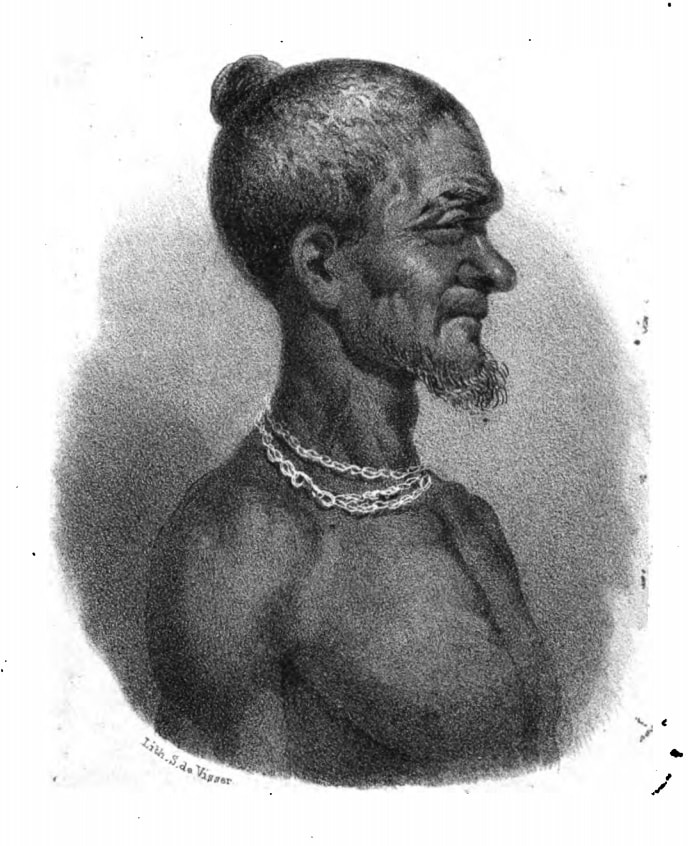
Likewise, as someone with Akan heritage, I think about Badu Bonsu II, a chief who had been executed after a long conflict with the Dutch in 1838. His body was eviscerated, with his head later removed from his body by a surgeon and taken to the Netherlands, where it was lost for more than a century, until it was found in 2005 in the Leiden University Medical Centre.

Badu Bonsu II, drawing by a Dutch lieutenant, 1897

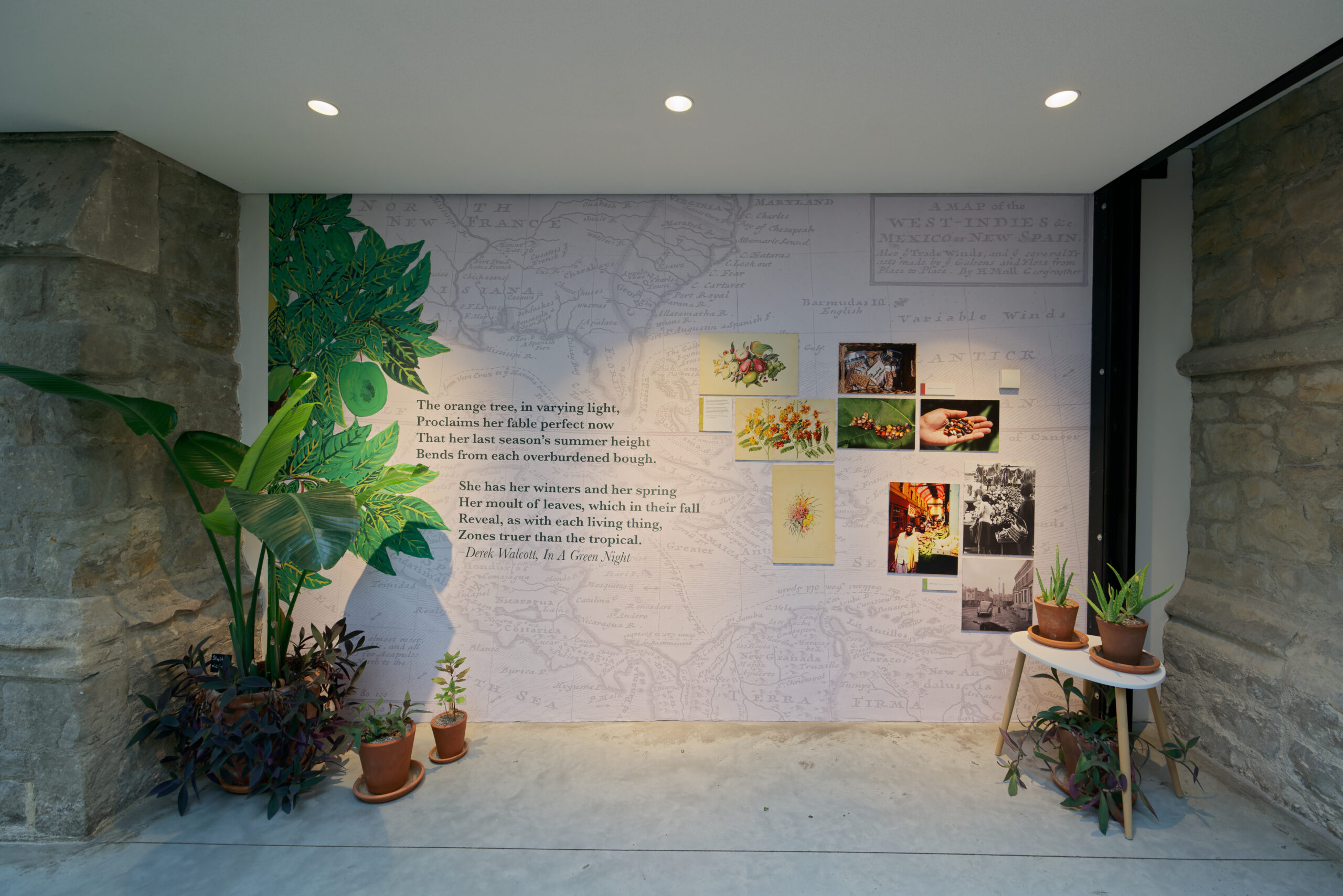
However, the Garden Museum’s institutional heritage is much younger, and its collection is a lot younger than that of other museums. Whether it’s Alan Titchmarsh’s and Charlie Dimmock’s signed copies of Ground Force or Russell Page’s designs, these are items that were donated by families or estates. Uncle Morgan, a Sowing Roots participant, donated mahogany seeds, vetiver root and ackee seeds. A younger collection allows for greater scope, with fewer inhibiting factors. These items were brought into the museum with the full consent of its previous owners, with the assurance that they would be looked after for life. It was with this that I set out to acquire items with the intention of continuing the sparks of curiosity that had already been lit through the display.


Sowing Roots exhibition, 2021

I felt it necessary to start within my own network. My priority had been to reach out to older people, people similar in age to the elders I interviewed during Sowing Roots. I knew that social media would not be the best way to get them, or for word of mouth to spread. So I made a graphic that could be easily forwarded in several group chats. I remember putting the call out in a Black Landworkers group that I was a part of, and I was met with a mixture of praise and doubt.

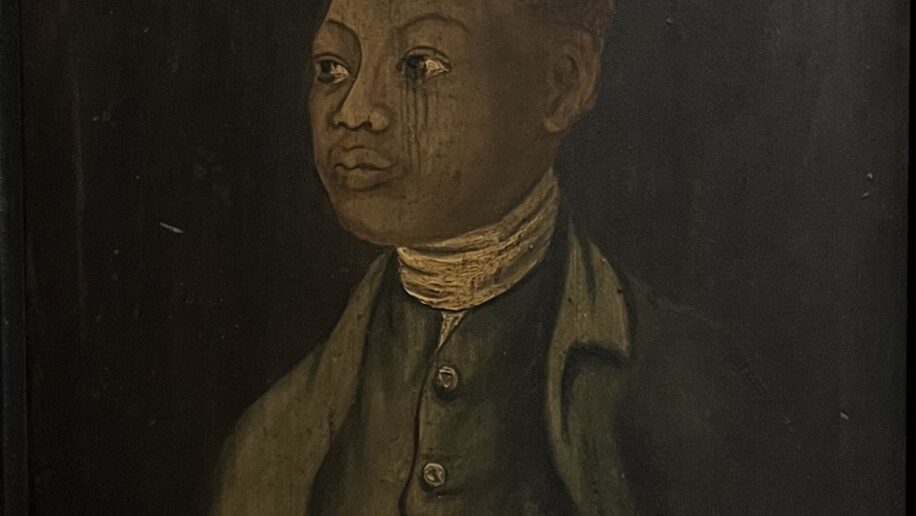
For many, it was refreshing to see that gardeners of African descent were having their stories heralded and sought after to showcase the plurality in how human beings connect with the land. We were used to hearing stories about discrimination on allotments. For others, the scepticism came in the form of this question: what did a British institution want to do with these stories? How would they be protected? How is the acquisition process ethical? It made me think about my feelings on John Ystumllyn. All that we know about his life comes from another person, a hundred years after he died. We do not know what his growing techniques might have looked like. What plants might he have enjoyed planting? What was his relationship like with weeds? What techniques/relationships followed him from his home in West Africa?

Thinking back to Sowing Roots, it was such a privilege to see growers who have grown their roots in Britain, who are still alive and can bring further insights,  and be present to see their stories celebrated and have their stories told by them. To the sceptics, I let them know that any objects would be treated with the respect and reverence that I have for their owners. For people accessing the museum, these stories present the diversity of British gardens.

With the help of the Social Media team, I presented a video explaining the search to diversify the collection after the positive feedback received from the display and what I was looking for. These were photographs (of black gardeners and/or their gardens), pamphlets, garden plans/designs, journals, botanical items, garden ornaments and short films. This video was a success, reaching thousands of people.
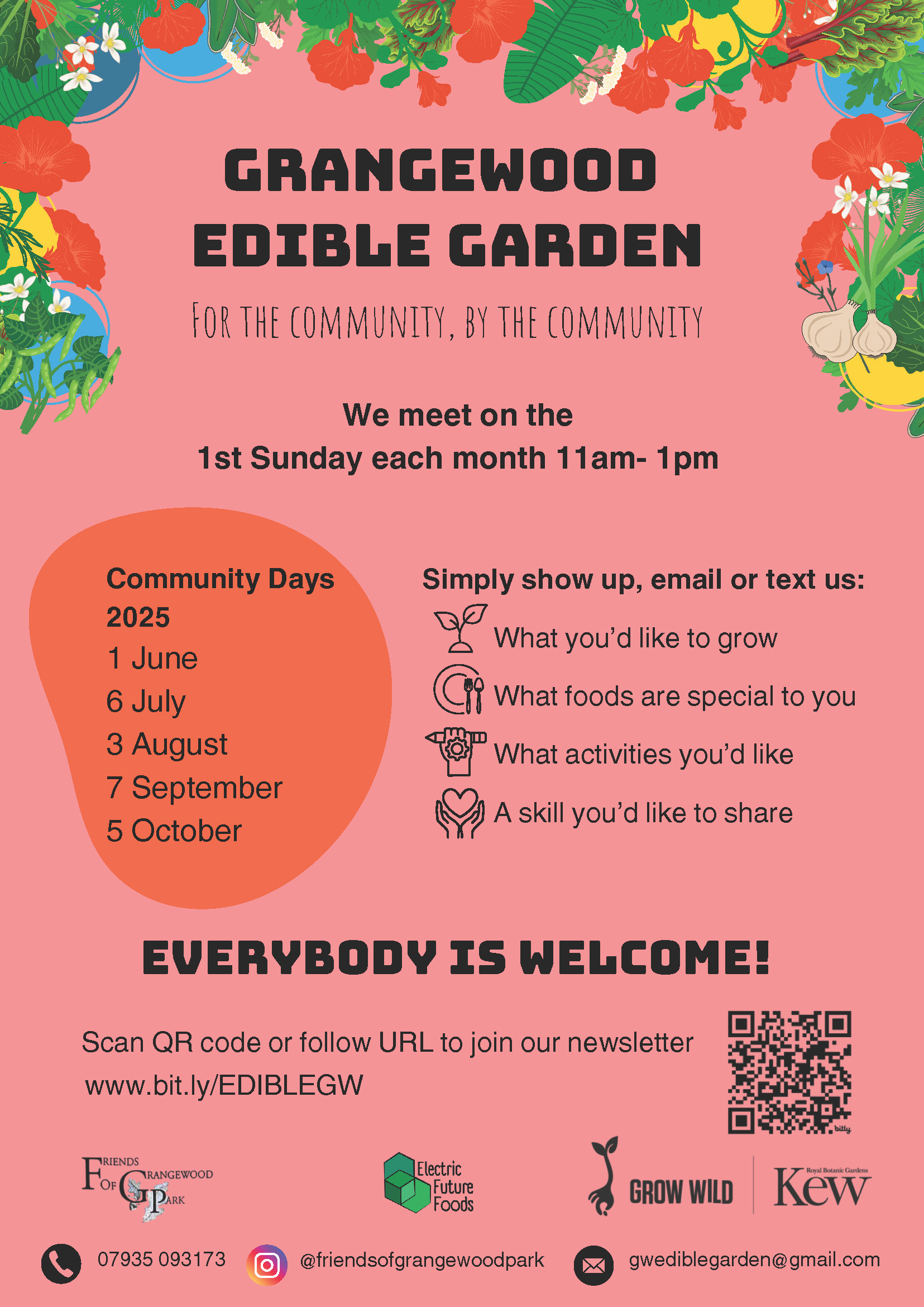
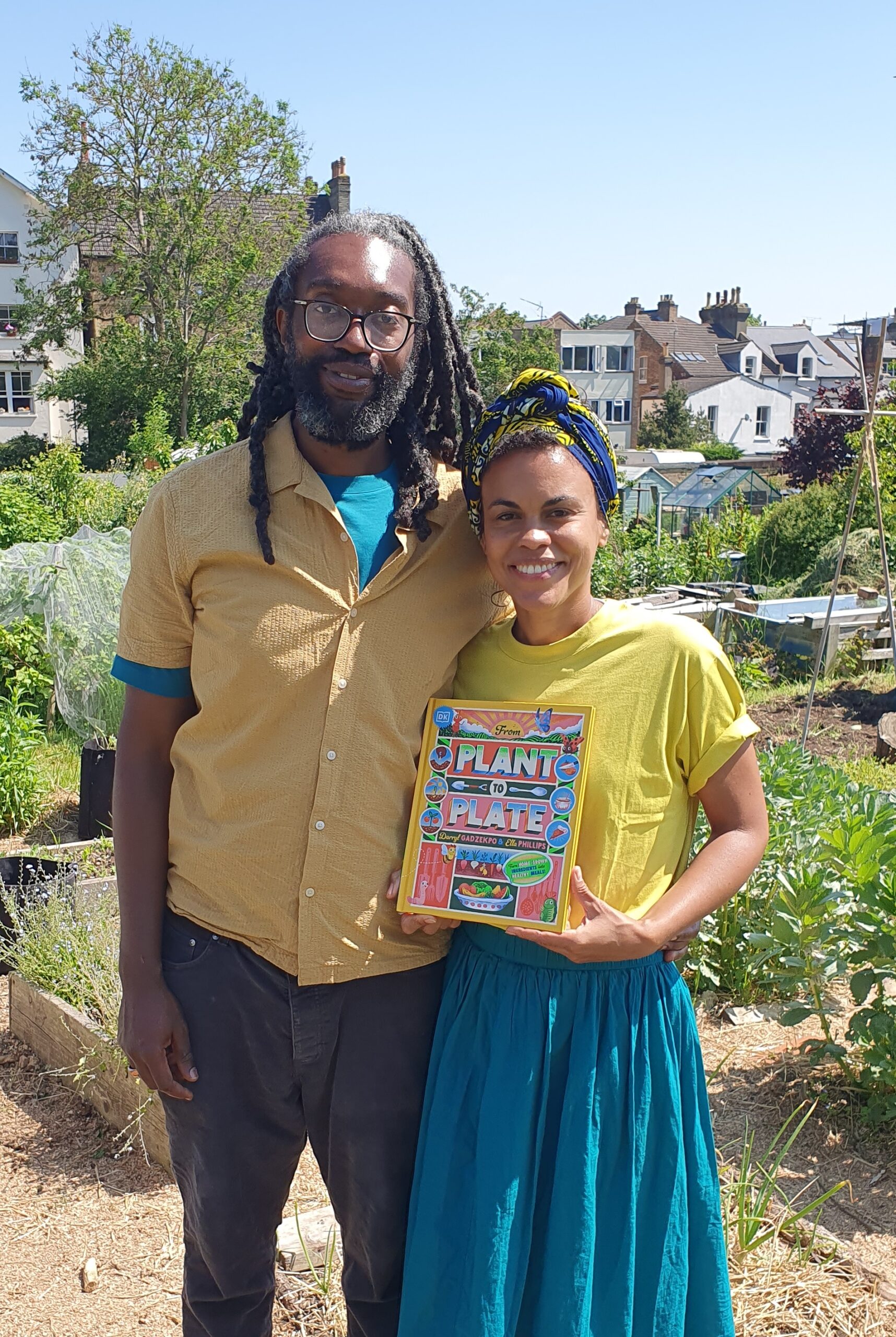
From this, I was contacted by Ella Phillips, co-founder of Grangewood Edible Gardening Collective, and co-author of From Plant to Plate: Turn Home-Grown Ingredients into Healthy Meals. She donated a pamphlet showing the dates of when the group meets, as well as photographs of the young people who utilise the space. This was a great start to the acquisition process, as seeing intergenerational engagement with green spaces was something that I believe was a welcome change from the photographs that were in the Museum.

Darryl Gadzekpo and Ella Phillips in Grangewood Allotments

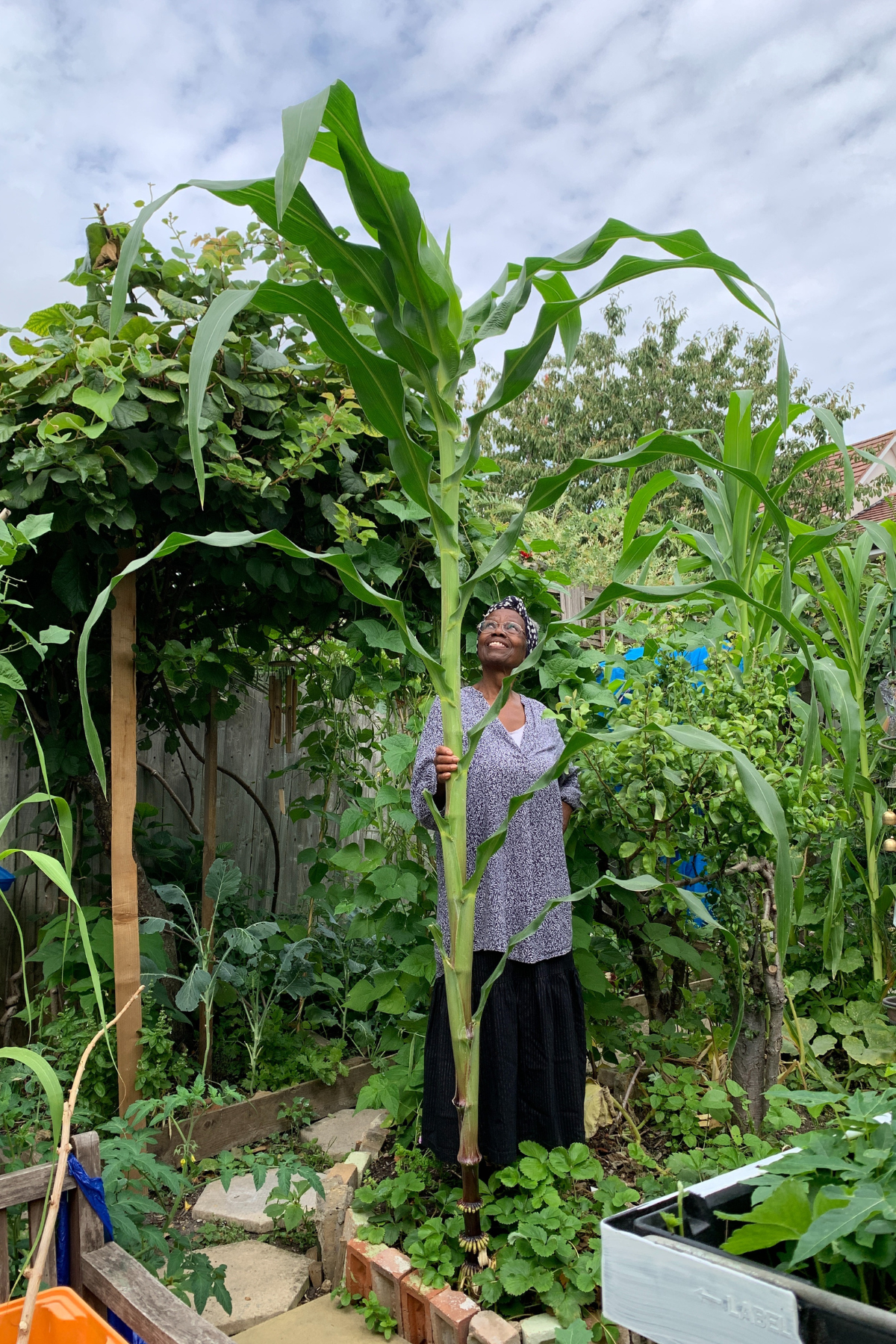
Shortly after, Barrina Mills got in touch concerning her mother, Muriel Kingsley, an 82-year-old gardener, author and poet. Barrina wanted to donate photographs of her mother’s garden and plants, as well as newspaper copies of Muriel winning awards. Muriel is well known for growing papayas, pineapples, sugarcane and bananas in her Thornton Heath conservatory. She has won awards for her plants and continues to share the magic that comes out of her garden with the world. Muriel’s story and gardening practice inspire me greatly.

I shared with Barrina that this past year was my second year growing corn, utilising the Three Sisters Method. My stalks were considerably taller this year, and I was able to produce a few ears of corn. However, seeing the height of Muriel’s plants reminded me that there is still so much for me to learn.

Muriel Kingsley's garden

In one of the newspaper clippings, dated in 2009, Muriel’s news is accompanied by the revelation that First Lady Michelle Obama’s roots were traced to a “six-year-old” enslaved girl. In the left corner of this front page, there was also a line with the “journey around historical black Britain”. For me, I believe that the same question is being asked in this current juncture. One of the older men I met in Criccieth shared with the assembly that he came to Britain at the age of 8, the same age as John Ystumllyn. Worked on a lot of the motorways that connect the country, and in the midst of the Windrush Scandal, was told by his employer that he was ‘illegal’ and could no longer work as his documentation was invalid. What does it mean to be Black in Britain in 2025?

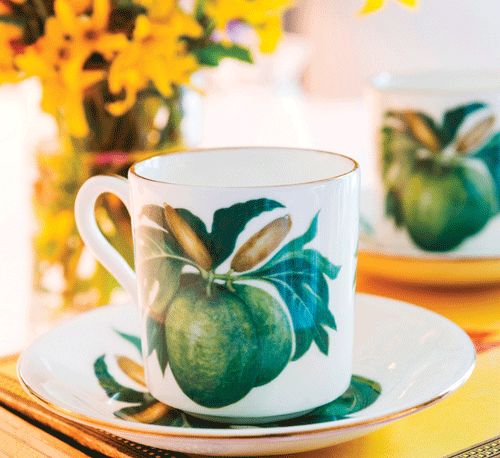
That is something that another donor, Jenny Mein, explores with her ornamental craft. Jenny Mein got in touch with me to donate some of her botanical designs, which depict some of the fruit and flowers which grew “in everyone’s garden in Jamaica”. Jenny has been designing these pieces since 1998. The idea behind her designs came about when, one day, as a food editor, she was featuring a special summer tropical spread, and she had wanted to style the food using botanical plates decorated with tropical fruit and flowers for the photographic shoot. Jenny searched across London, but was unable to find a single botanical plate that featured tropical fruit or flowers. She “immediately decided that [she] would produce botanical china using [her] hand-paintings of the fruit and flowers which grew in [her] beautiful childhood family garden on an old sugar estate in Jamaica to decorate the china”.

Jenny Mein's breadfruit cup and saucer

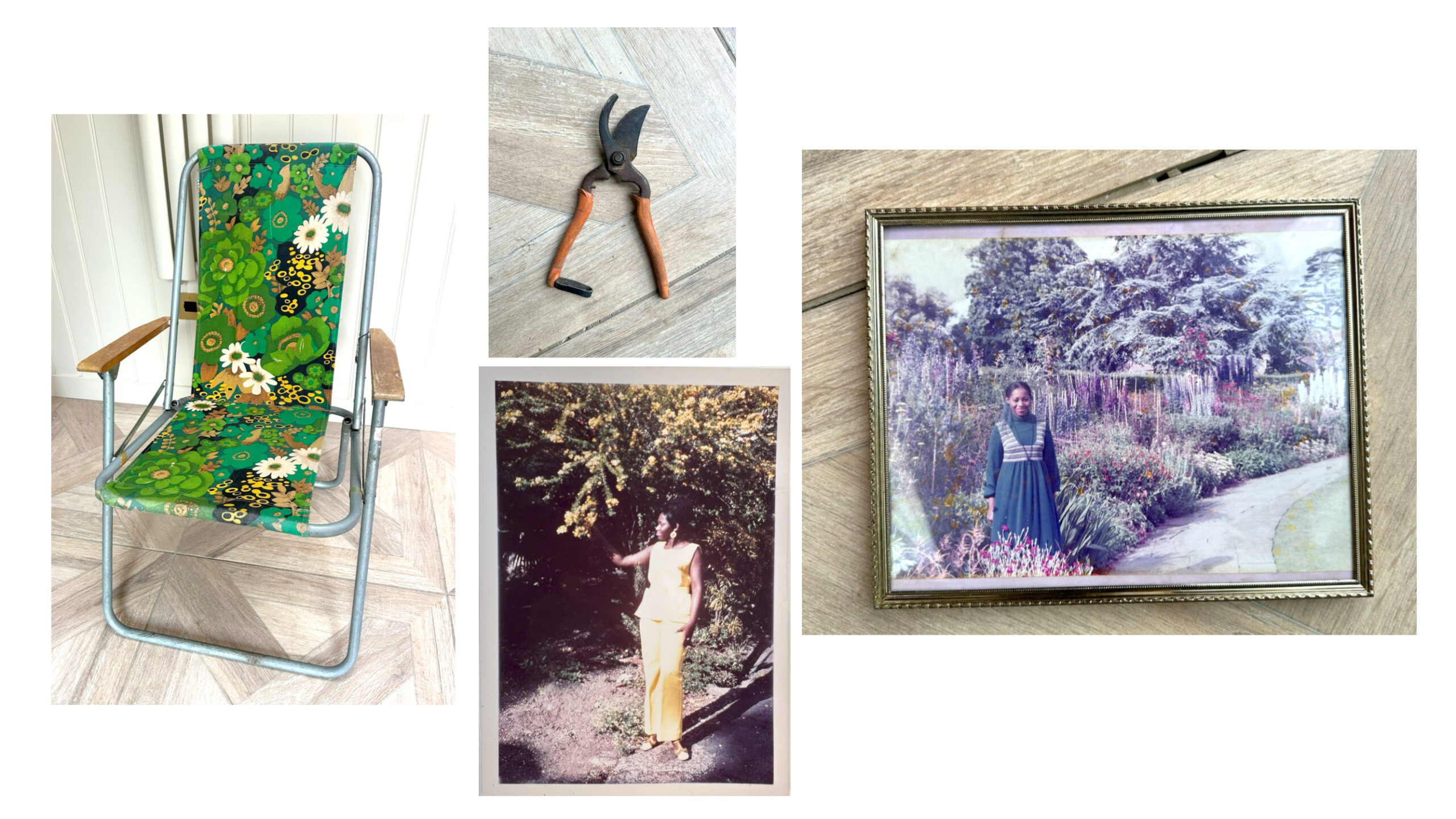
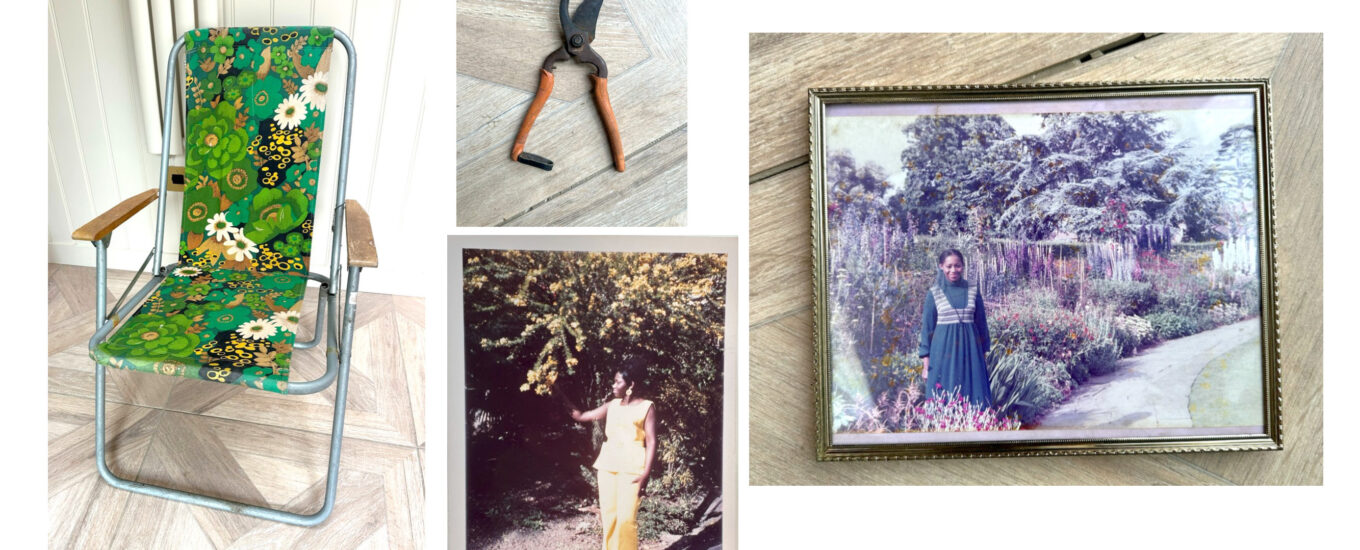
Jenny donated pint tumblers, table napkins, side plates and a pair of Jamaican ackee egg cups. These came in breadfruit and ackee patterns. It was so well-received by the team that it’s already become part of the display. Alongside this new addition is a chair belonging to the mother of one of the trustees, Hazel Gardiner. Hazel has also donated her mother’s secateurs, a framed picture of her mother at Bristol Zoo gardens, and a photograph of her mother in Grenada. Hazel’s mother has played a major role in her gardening practice, and I felt very touched and honoured to hear about this from Hazel herself. Hazel’s gardening journey is one of so much inspiration, and it is great to have that as part of the display.

Jenny donated pint tumblers, table napkins, side plates and a pair of Jamaican ackee egg cups. These came in breadfruit and ackee patterns. It was so well-received by the team that it’s already become part of the display. Alongside this new addition is a chair belonging to the mother of one of the trustees, Hazel Gardiner. Hazel has also donated her mother’s secateurs, a framed picture of her mother at Bristol Zoo gardens, and a photograph of her mother in Grenada. Hazel’s mother has played a major role in her gardening practice, and I felt very touched and honoured to hear about this from Hazel herself. Hazel’s gardening journey is one of so much inspiration, and it is great to have that as part of the display.