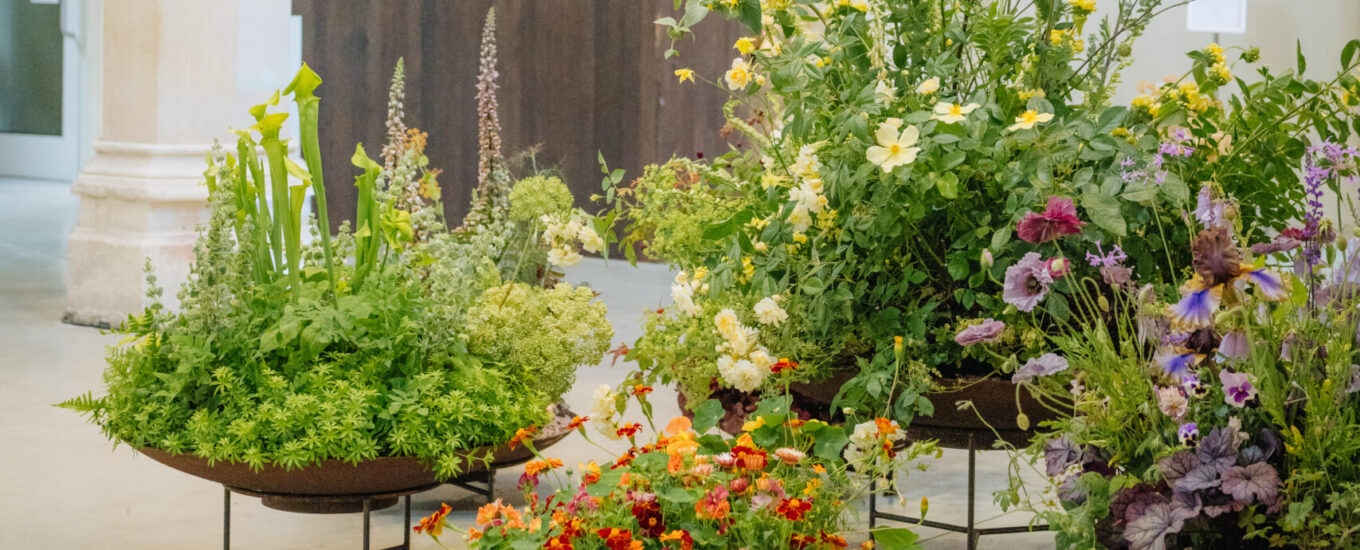
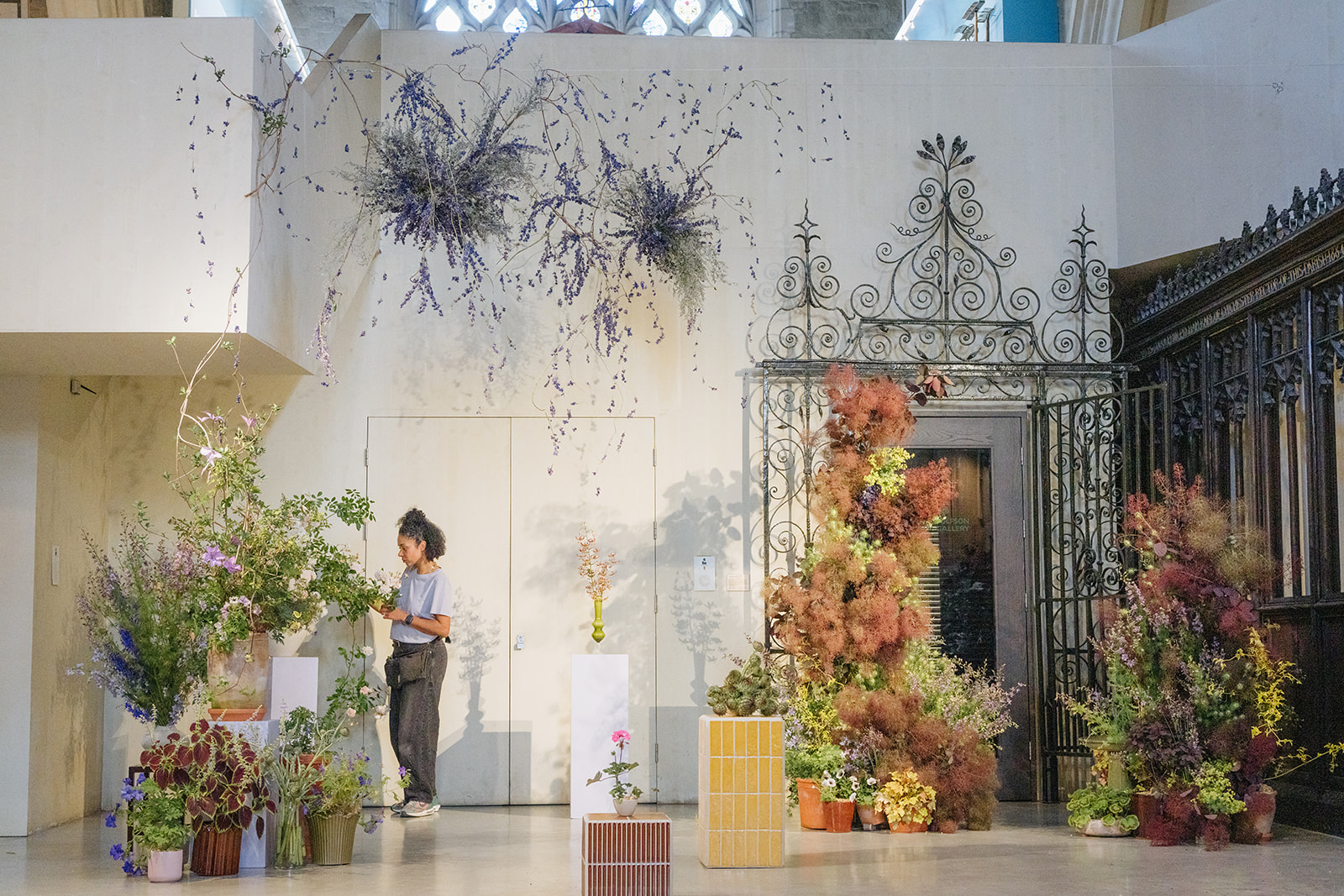
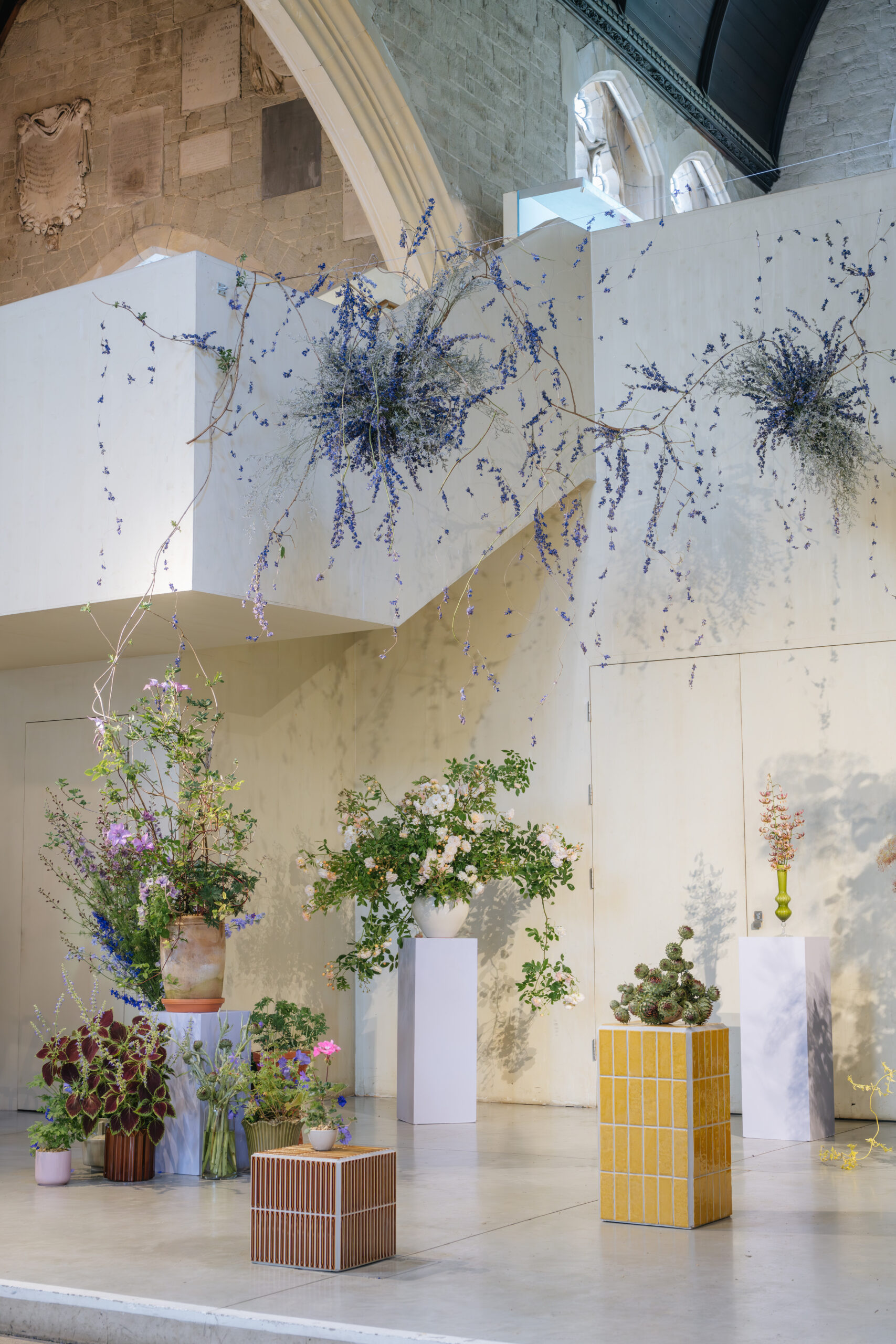
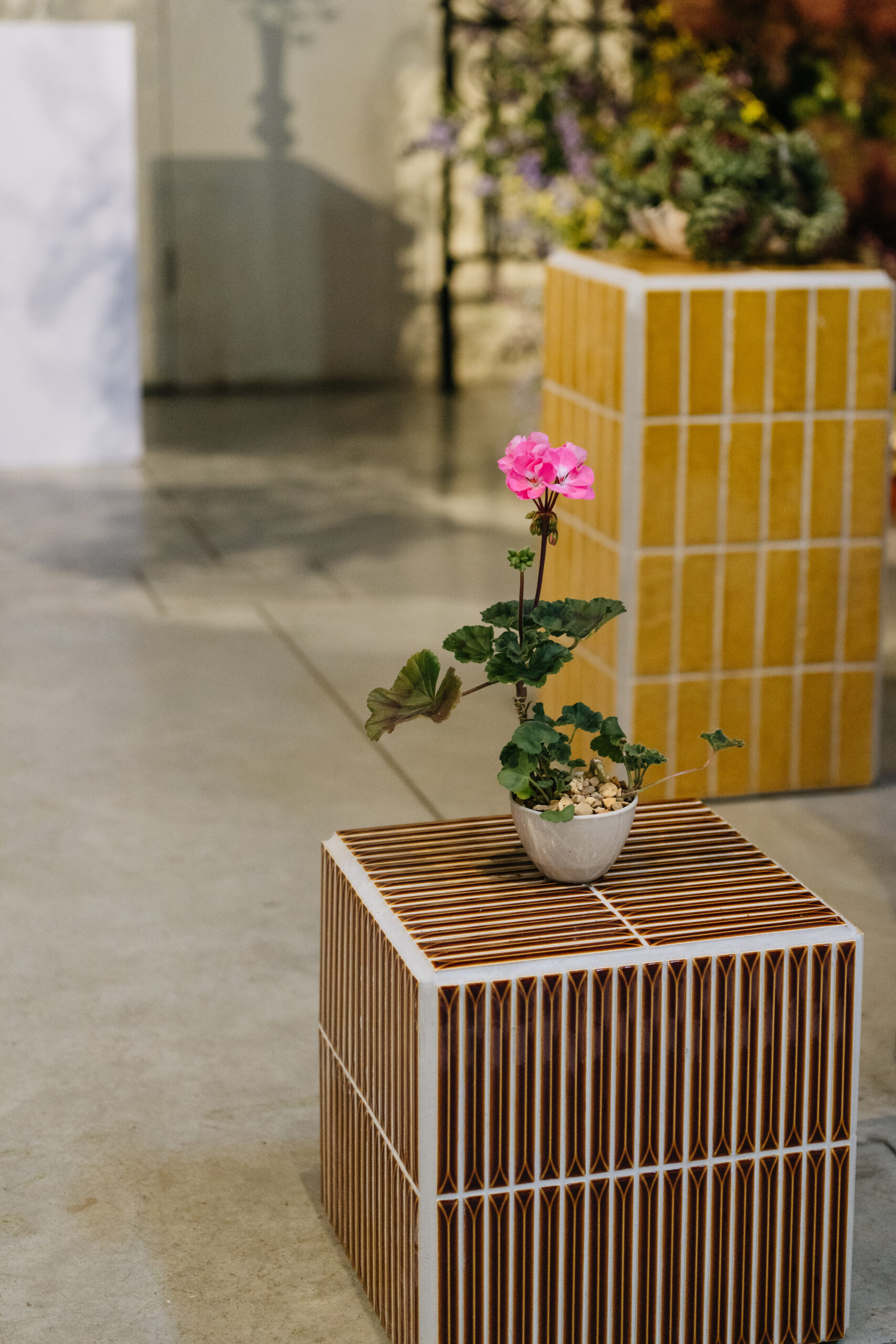
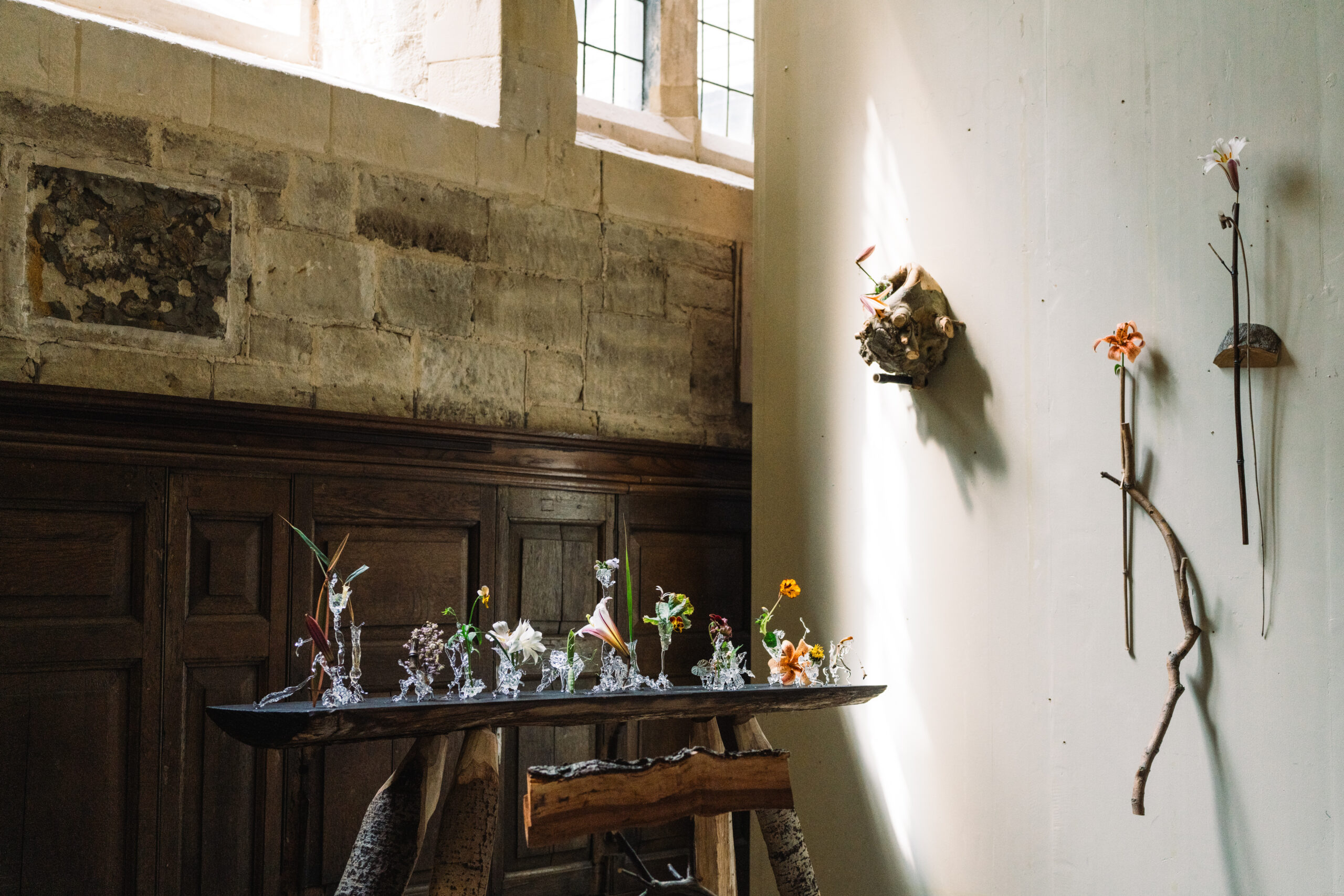
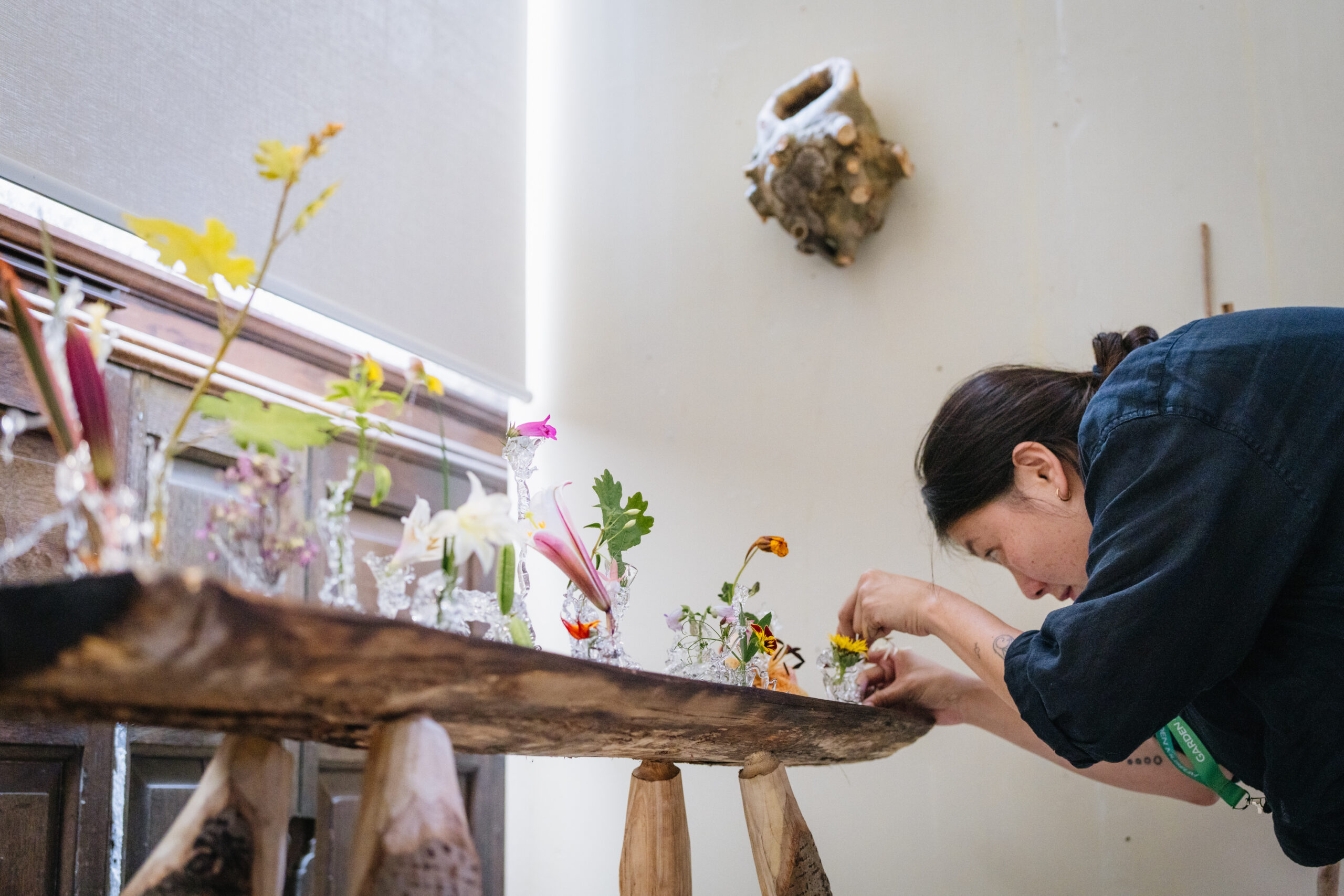
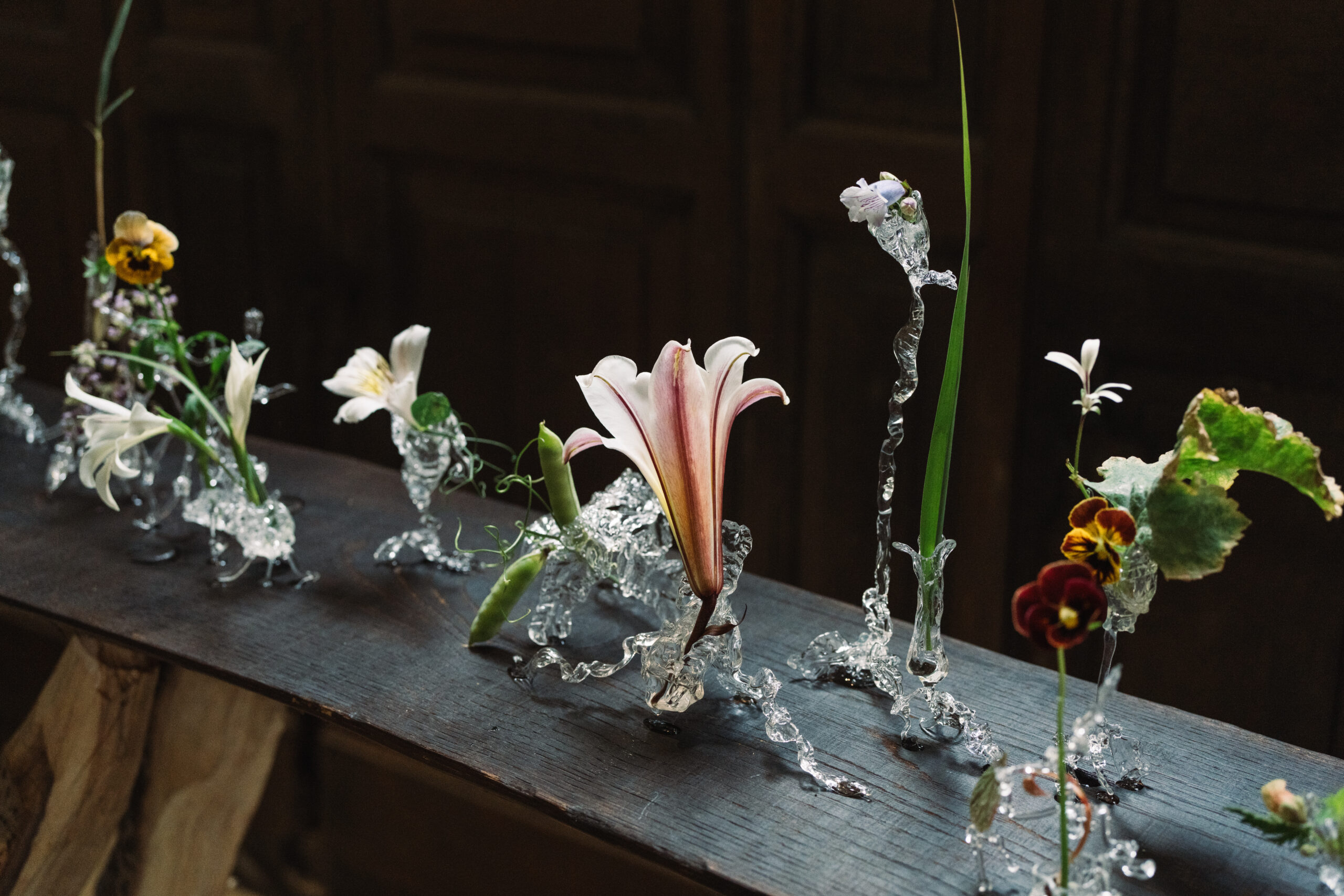
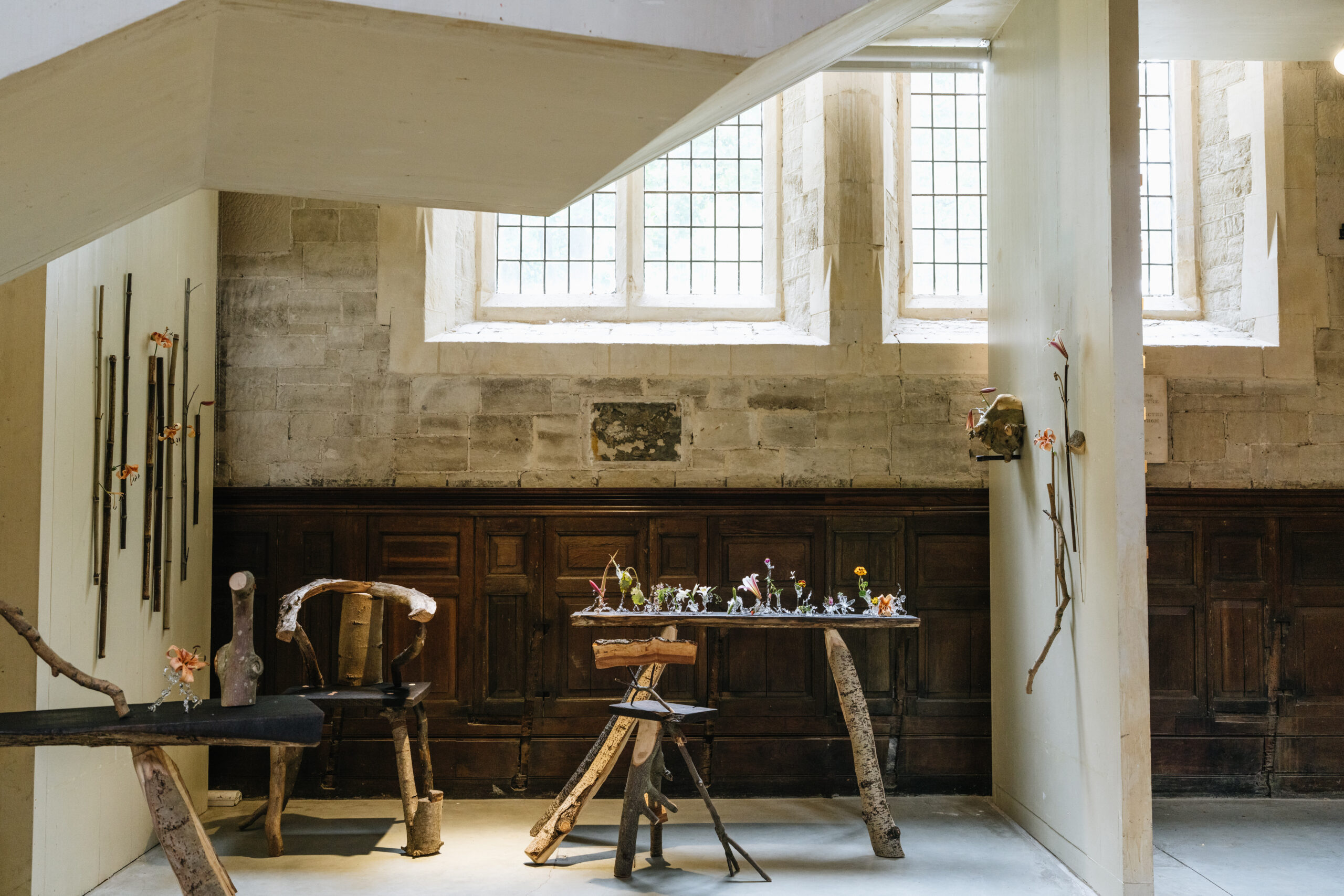
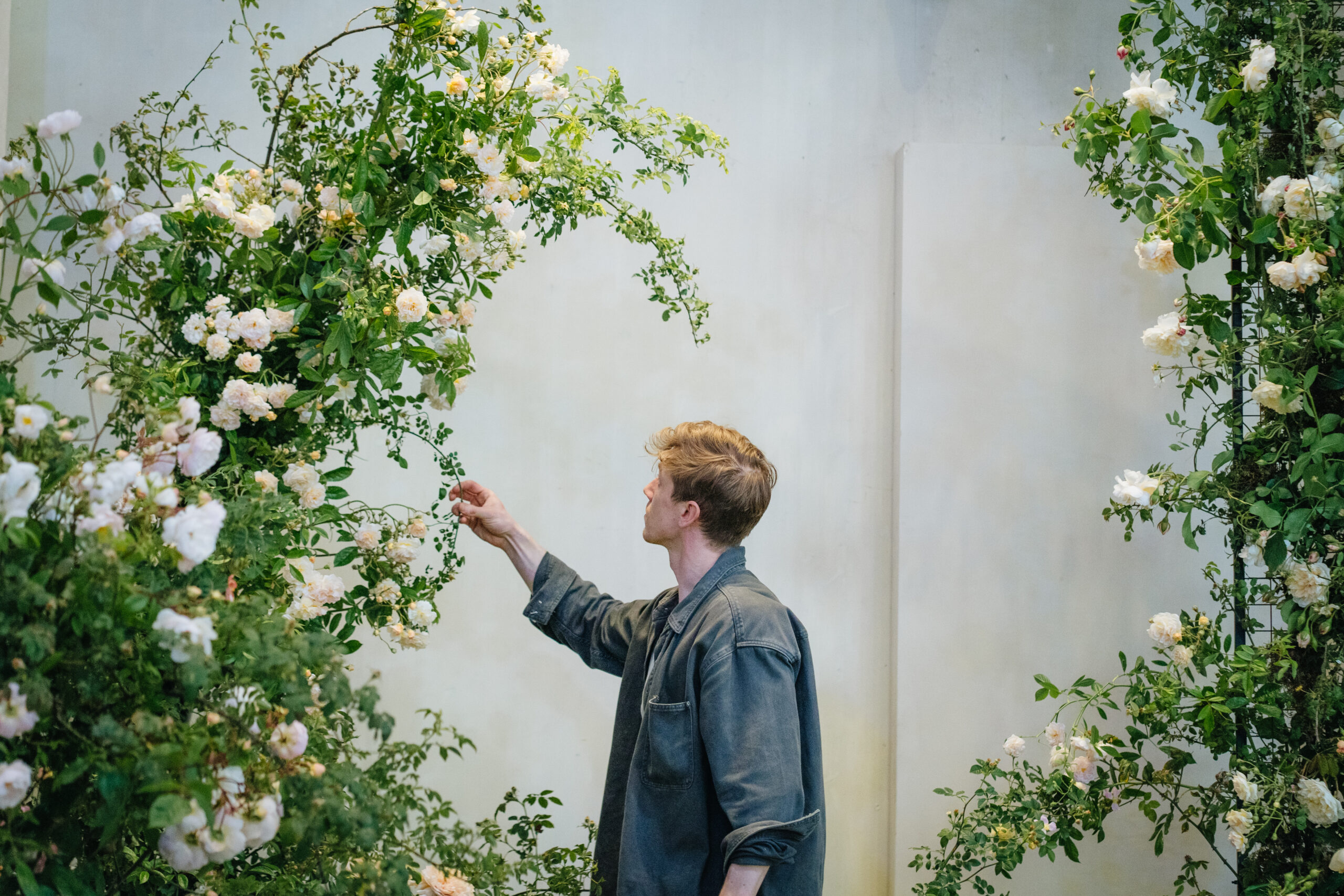
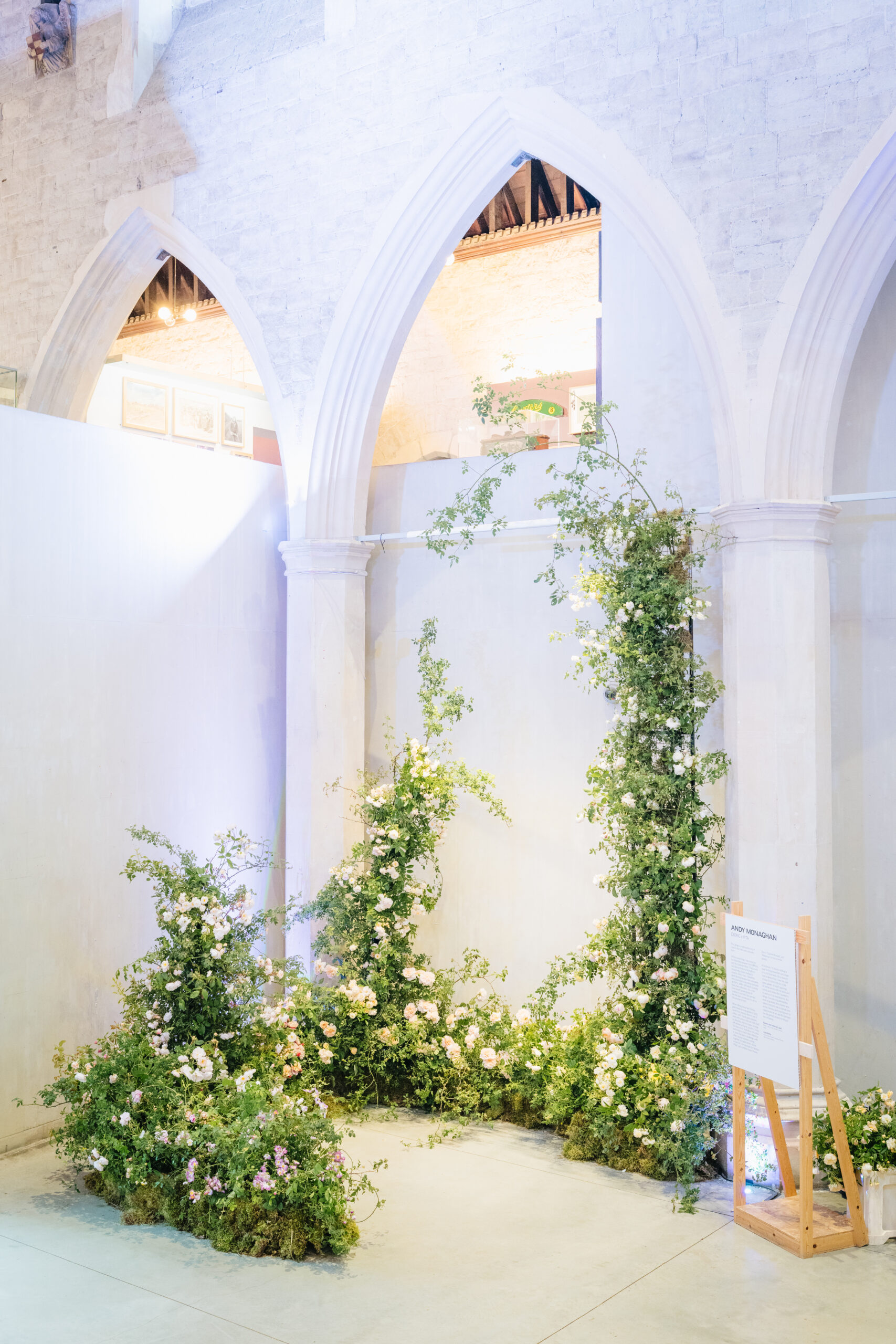
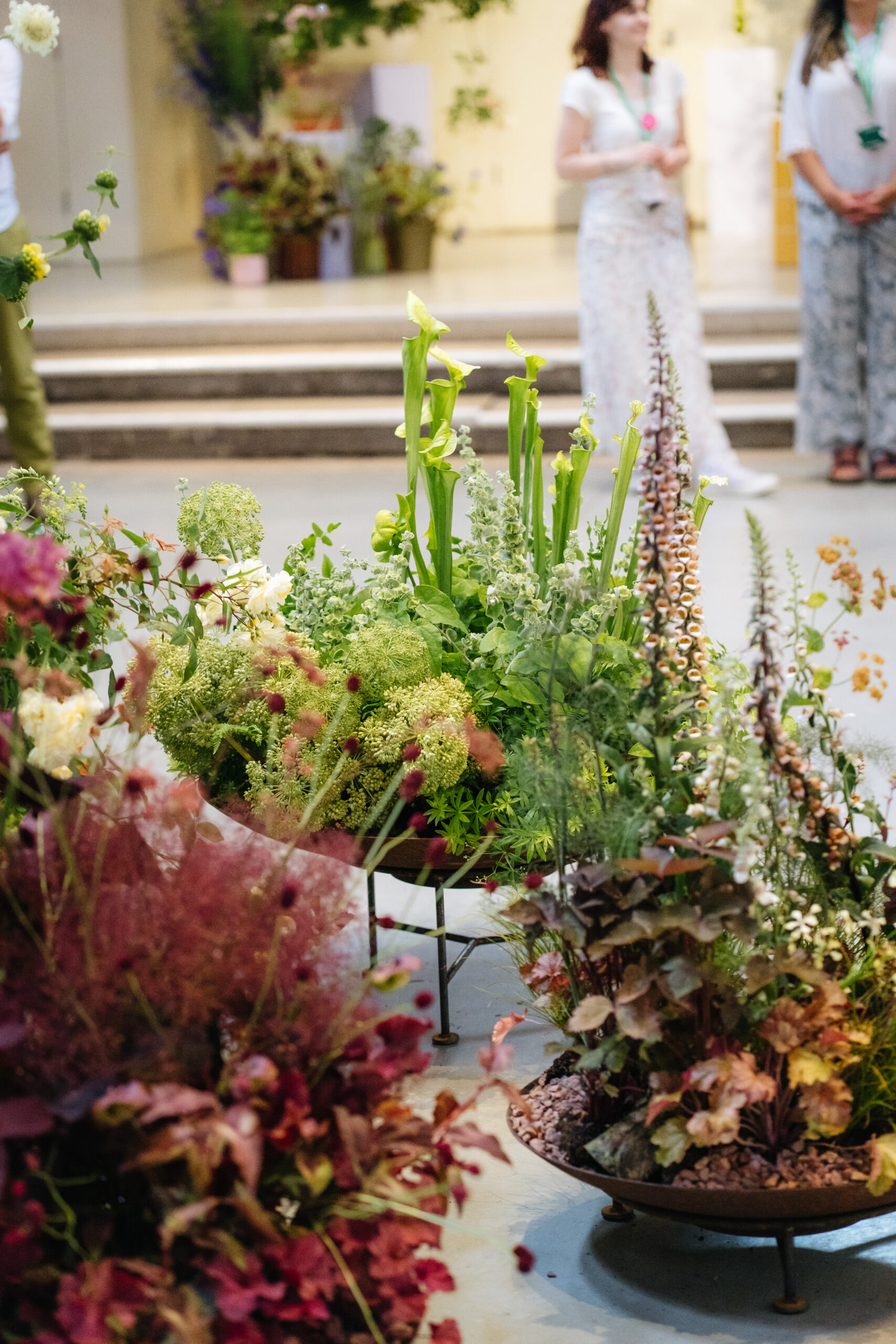
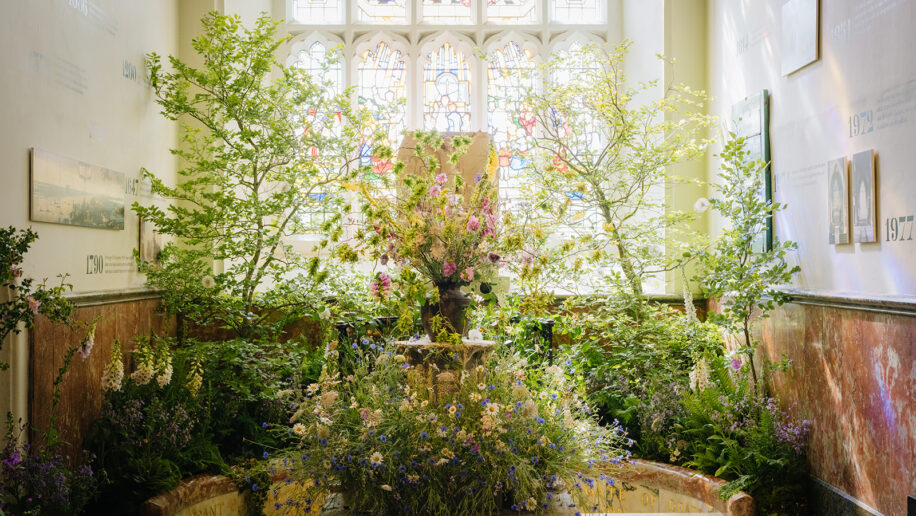
This installation reflects on the concept of the plant hybrid and magnifies the plant structures responsible for hybridisation, taking inspiration from the Miniature Ikebana assignment developed by Kasumi Teshigahara, second Iemoto of the Sogetsu School (1932-1980):
“Decide the containers, then the plant materials. Observe carefully the different parts of them including petals, pistils and stamens, fruits, leaves, branches and stems, to make new discoveries of their distinctive appearance which were not noticed before. […] In this subject, you can have an experience of searching out or making containers, and reaffirming the importance of close observation of plants. Make the best use of this opportunity of creating a tiny original world or microcosm.”
By recognising the potential held within every part of a plant, this installation imagines a laboratory for plant hybridisation. Felled logs collected from parks and farms around London were assembled into functional forms under the valuable guidance of the Greenwood Guild, glass vessels were hand-sculpted over recent months, and plant materials were grown locally by friends and flower farmers.
Reference: Mallet, J. (2005) Hybridization as an invasion of the genome. Trends in Ecology and Evolution, 20(5), pp.229–237.