Posted on 19 Jun 2026

Gardens

By Beth Hopper, Head of Communications & Digital

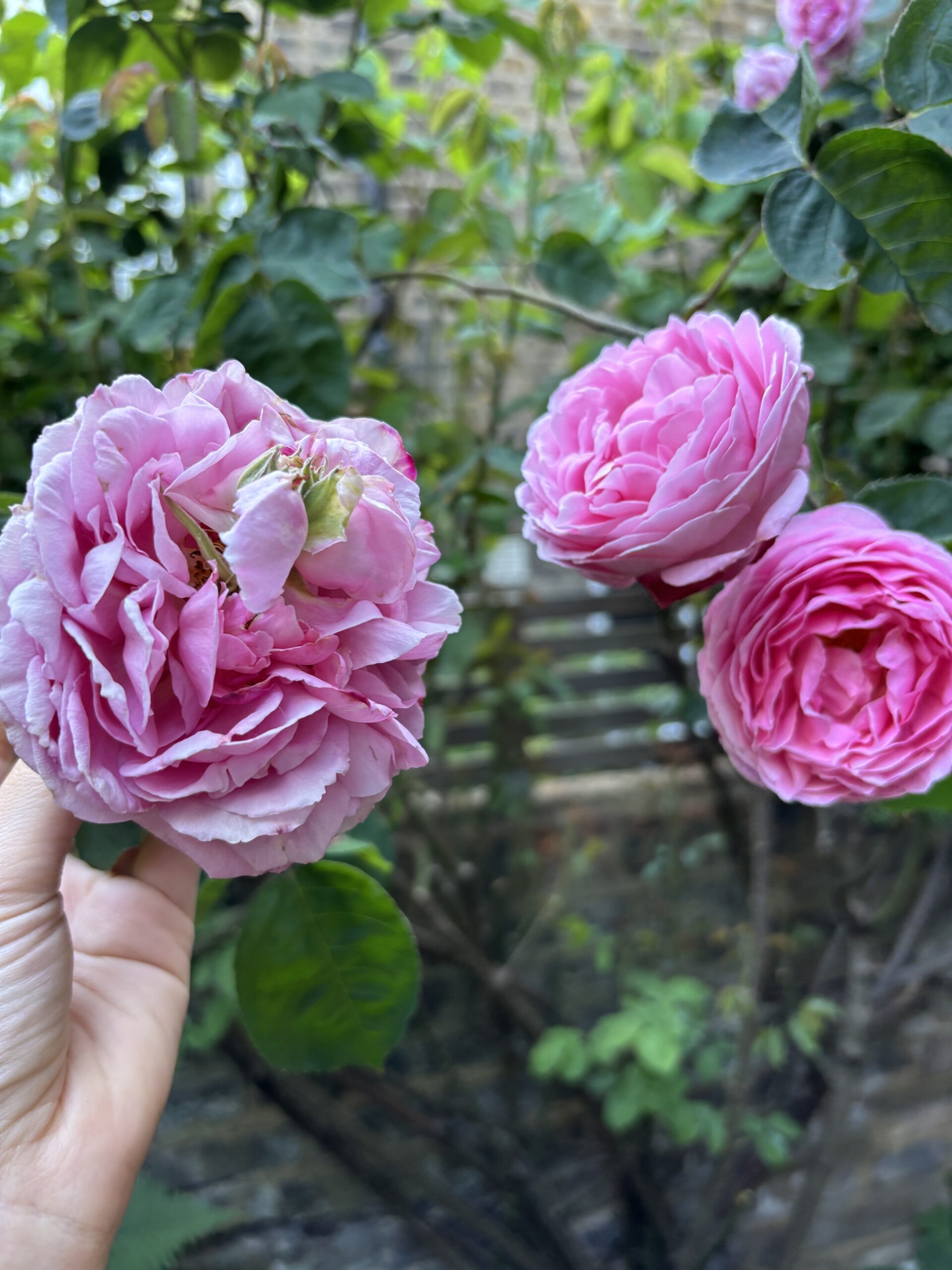
I recently found myself in a classic gardener’s dilemma. An unruly rose bush in my rented garden had been allowed to run rampant far too long. Thick, thorny branches stretched across the fence and into the sky with unbridled vigour, and my rusty old secateurs weren’t cutting it any more (in both senses of the word). I needed to buy some loppers.

Meanwhile, I had trays of seedlings waiting to be potted on, but no compost left to fill any pots. Spring was warming up at an alarming pace, and I desperately needed a new pair of sandals. I had a friend’s birthday gift to buy and dinner to attend. Like just about every Londoner in their mid-thirties, I’d been putting a chunk of money aside each month for that dream trip to Japan. To top it off, my weakness for east London’s overpriced natural wine and small plates continued.

Something would have to give. I begrudgingly decided the pots needed compost and the rose needed loppers more urgently than I needed a new pair of shoes, and cursed the day I became so attached to this expensive habit. That weekend my purchases arrived, and I had the time of my life merrily chopping and digging away, the hole in my bank account long-forgotten once I was elbow deep in cuttings and compost. But the cost of gardening still stings. Who among us hasn’t watched Gardeners’ World, or scrolled through Instagram, to see swathes of tulips and daffodils and dahlias and irises swaying in front of an enviable greenhouse, and wondered, “wait, how much are they spending on this garden?!”

Illustration by Zena Kay

Let’s talk realistically about gardening on a budget. Specifically gardening in a small space as a renter on a shoestring. You might think small space = lower costs as there’s less physical area to fill, and in some ways that’s true. But no matter the scale of your space, gardening can feel like an indulgent hobby in an already expensive city, one that becomes increasingly inaccessible if you want a life and hobbies outside of gardening as well. And if you’re just getting started or recently moved to a new garden, the upfront costs can feel overwhelming: tools, pots, trays, compost, mulch, grit, seeds, gloves, watering cans, and of course every gardener’s kryptonite, the lure of new plants.

I’ve been gardening as a renter for about ten years, and it’s my second year in my current space, a tiny flat in Hackney (you might have read about my window box gardening efforts at my last flat). Unlike renters, homeowners have the luxury of time. They can spend a few seasons, years even, getting to know their garden before investing, slowly developing the garden as a naturally evolving organic process. As renters, our garden stewardship is a little more precarious.

A quick search on Rightmove shows that of the 813 properties currently available to rent in the borough of Hackney, only 203 have access to gardens (that includes private gardens, communal spaces or balconies), and most are priced far beyond the reach the average renter. Competition for these properties is fierce. If you are one of the lucky few to get your mitts on a rental property with a garden, the duration of your stay there is never a given, and  actually gardening it can still feel like an impossible privilege.

So how do you make the best of a garden on a budget if you only have a year or two to enjoy it before you’ll move on (or the landlord hikes up your rent)? The most vital lesson I’ve learned is patience. Resisting the urge to fill my garden with impulse buys and enjoying the journey for what it is – gappy beds, empty pots and all. To see my garden as a creative process, not a shopping list.
Tetrapanax and Torshi

It took me far too many years and dead plants to really get the importance of understanding your space first. Those jolly trolleys of candy-coloured bedding annuals at the supermarket can offer an irresistibly quick fix, but they will rarely last longer than a season and usually aren’t hardy enough for you to lug onto your next rental. While as a renter you may not have a year to spend serenely observing your untouched garden, even just a few days noting the movement of the sun throughout the day can give you a good foundation of knowledge to save some wasted pennies.

Anya Lautenbach has written two best-selling books on this subject, The Money-Saving Gardener and The Money-Saving Garden Year. She agrees, “Before buying anything, spend a week noticing: How many hours of sun each area gets, whether soil drains quickly or stays wet, wind exposure, frost pockets, space available at mature size. Then choose plants matched to conditions. If I could save every beginner one mistake: don’t buy a trolley full of plants on day one. Buy two to three plants after observing your garden first.”

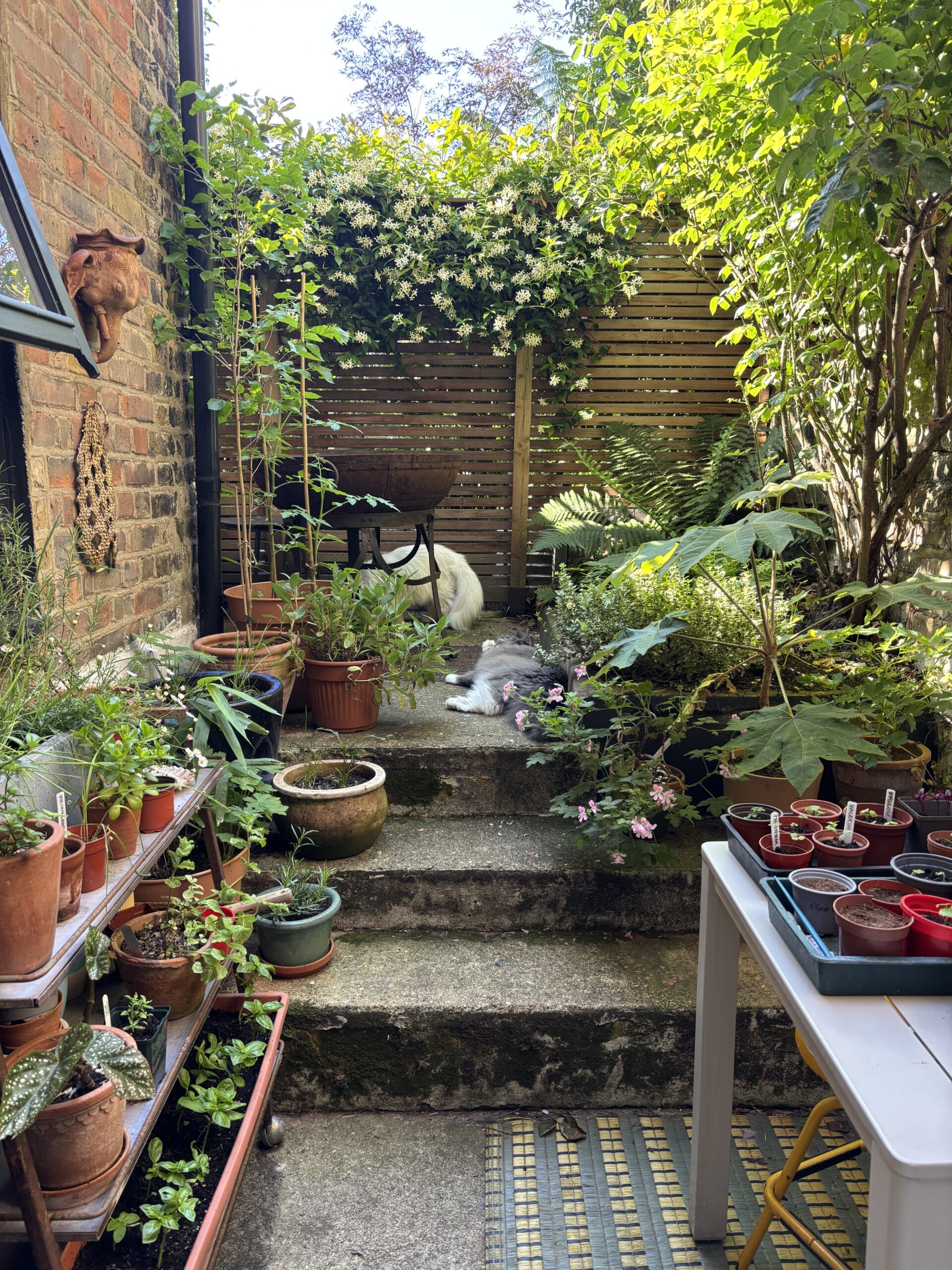
I’ve found the hardest part is actually believing and actioning what I’ve learned. My little courtyard is a warm and sheltered sun trap between the hours of 11am to 2.30pm, but pretty shaded either side of that, and some corners sit in full shade all day. I didn’t want to admit to myself last year that this wouldn’t be enough light for my beloved dahlias. Watching their thin leggy stems desperately reaching for light before succumbing to pests, not a single flower produced, was a bitter pill to swallow.

If you are going to buy any plants, consider what will give you the best bang for buck in visual interest and longevity. Anya recommends thinking about vertical drama and bold foliage: “Sunflowers for instant height and cheer in pots or borders. Sweet Peas climb upward with colour and fragrance. Clematis are brilliant for fences, walls, trellis. Verbena bonariensis for airy height without blocking light. Heuchera for colourful leaves most of the year. Hosta for lush leaves in shady corners. Ferns for soft texture and elegance.”

Cuttings-maxxing

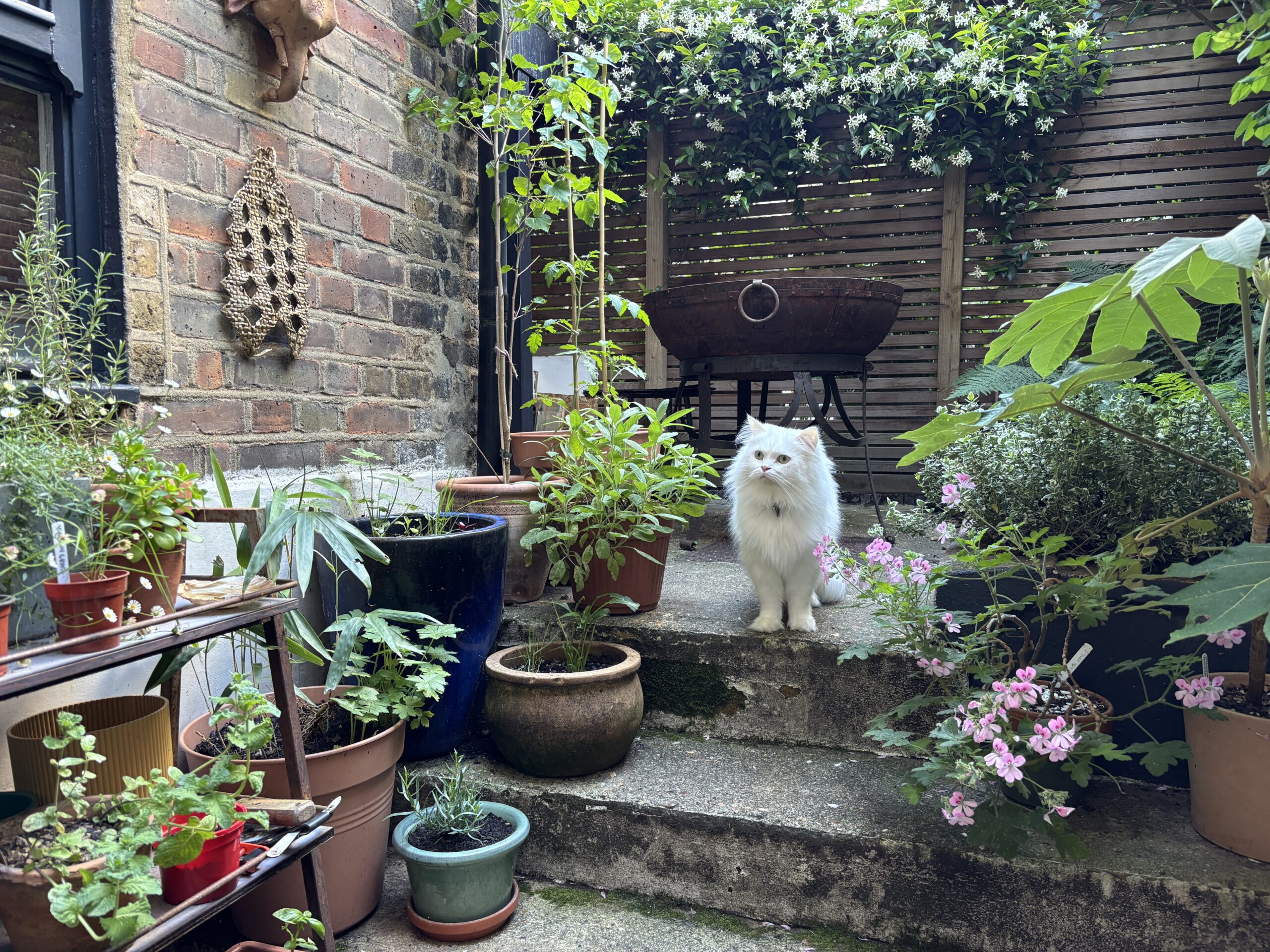
My current approach to plant shopping is ignoring the siren call of the annuals and allowing myself a purchase only if it adds interesting leafy structure to the garden through the seasons. Is this maturing? Last year I picked up a Tetrapanax papyrifer from Rosie Bose’s Glendon Plant Nursery stall at the Garden Museum Spring Plant Fair, and those sprawling jungly leaves have given me real joy and the garden a strong focal point (and my cats a place to lurk). It’s a pleasing backdrop for whichever plants rotate in and out of the spotlight through spring and summer, will return year after year, and kept in a pot can easily be brought along to my next garden. At this year’s Spring Plant Fair, I brought home a frothy fern from Walworth Garden, a shady corner stalwart to add a pop of acid green colour.

For everything else, it’s seeds, cuttings, and propagation. Seeds are obviously cheaper than plants, and a joyful process if you have the time and patience. But many of us renters don’t have enough sunny space to grow stacks of seed trays, and when you’re on a tight budget, even a few seed packets are a treat you need to pick carefully.

What’s even cheaper than seeds? Taking cuttings and multiplying plants that are thriving in your space already. Fight the capitalistic urge to buy masses of different plants and enjoy eye-pleasing repetition, it looks surprisingly more designed and purposeful. This year I’ve taken cuttings from succulents and salvias, and divided a big healthy geranium into lots of baby plants to fill in gaps around the garden.

The offending rose

But like so many parts of life, gardening on a budget is less about must-try hacks and more about mindset. It’s too easy to get swept up in comparing your garden to others on social media, we are inundated with breathtaking garden content every day. Each garden, years of blood, sweat and tears in the making, reduced to a consumable digital rectangle, then swiped away in seconds. Meanwhile the cost of living is spiralling, and what were once everyday purchases (compost and loppers, for example) have become rare treats.

But why did you start gardening in the first place, what do you love about it? I’m sure your answers to these questions don’t involve spending money. For me, it’s spending time. Outside, with plants, watching them grow, quietening my mind in the process.

Two final thoughts: one, tell everyone about your garden. Talk to people about gardening, and you’ll be surprised how much comes to you. Gardeners love sharing cuttings, plants and knowledge. Just last week a lovely Garden Museum volunteer gave me some bamboo from her garden (with strict instructions not to plant it into the ground!).

Two, steal from your neighbours. Not literally, but if they’ve got some jasmine trailing over the fence, you know, you don’t have to cut it back.

Illustrations by Zena Kay, follow on Instagram @zena.kay