“A garden is a grand teacher. It teaches patience and careful watchfulness; it teaches industry and thrift; above all, it teaches entire trust.”
Gertrude Jekyll, Wood & Garden (1899)
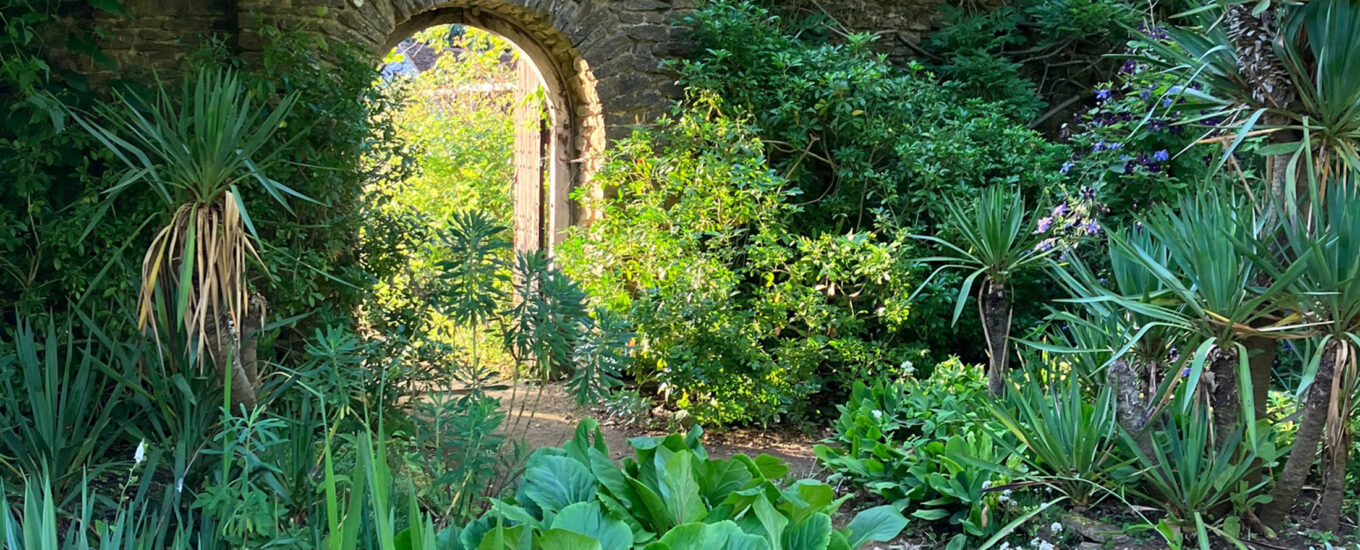
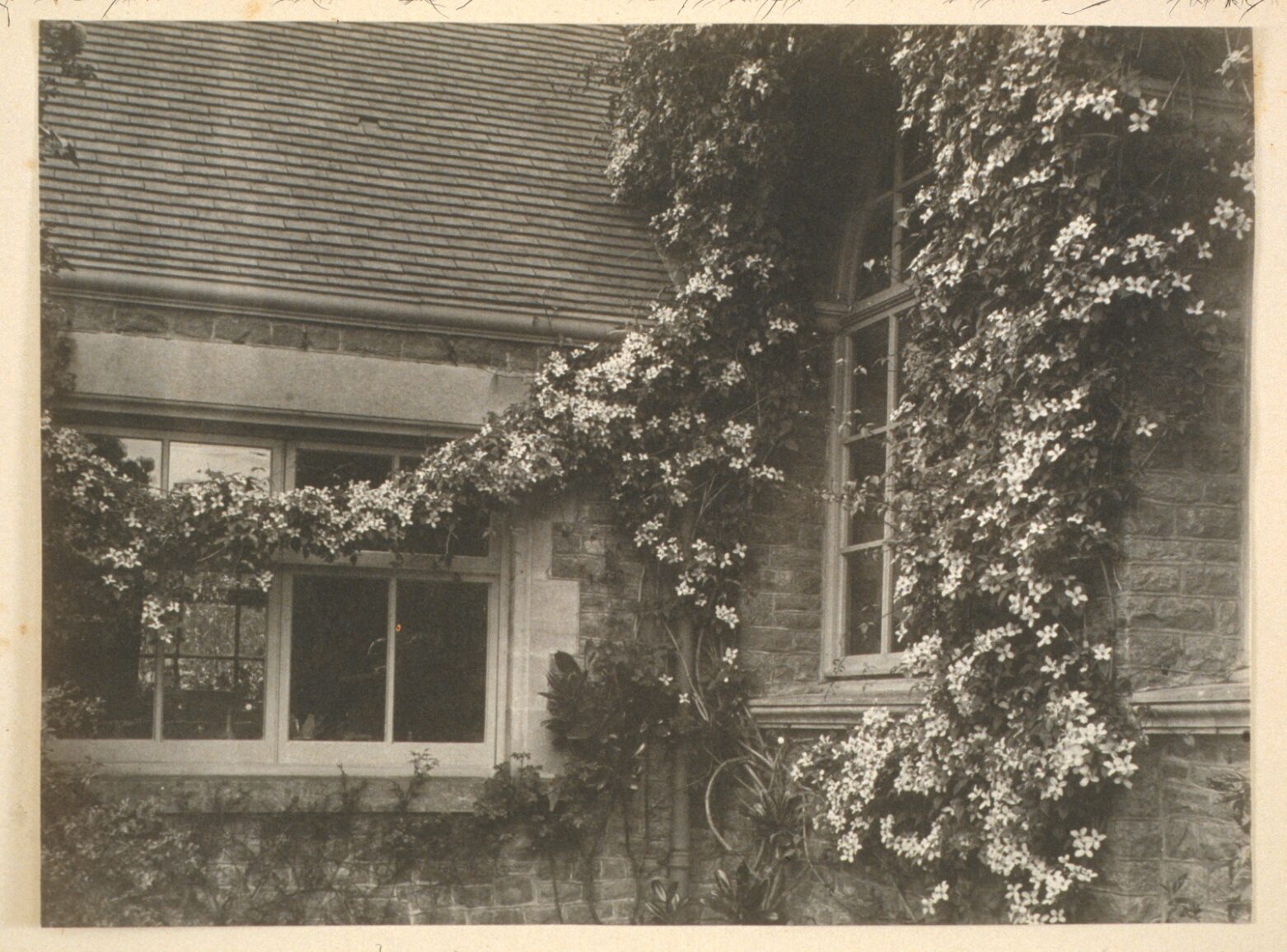
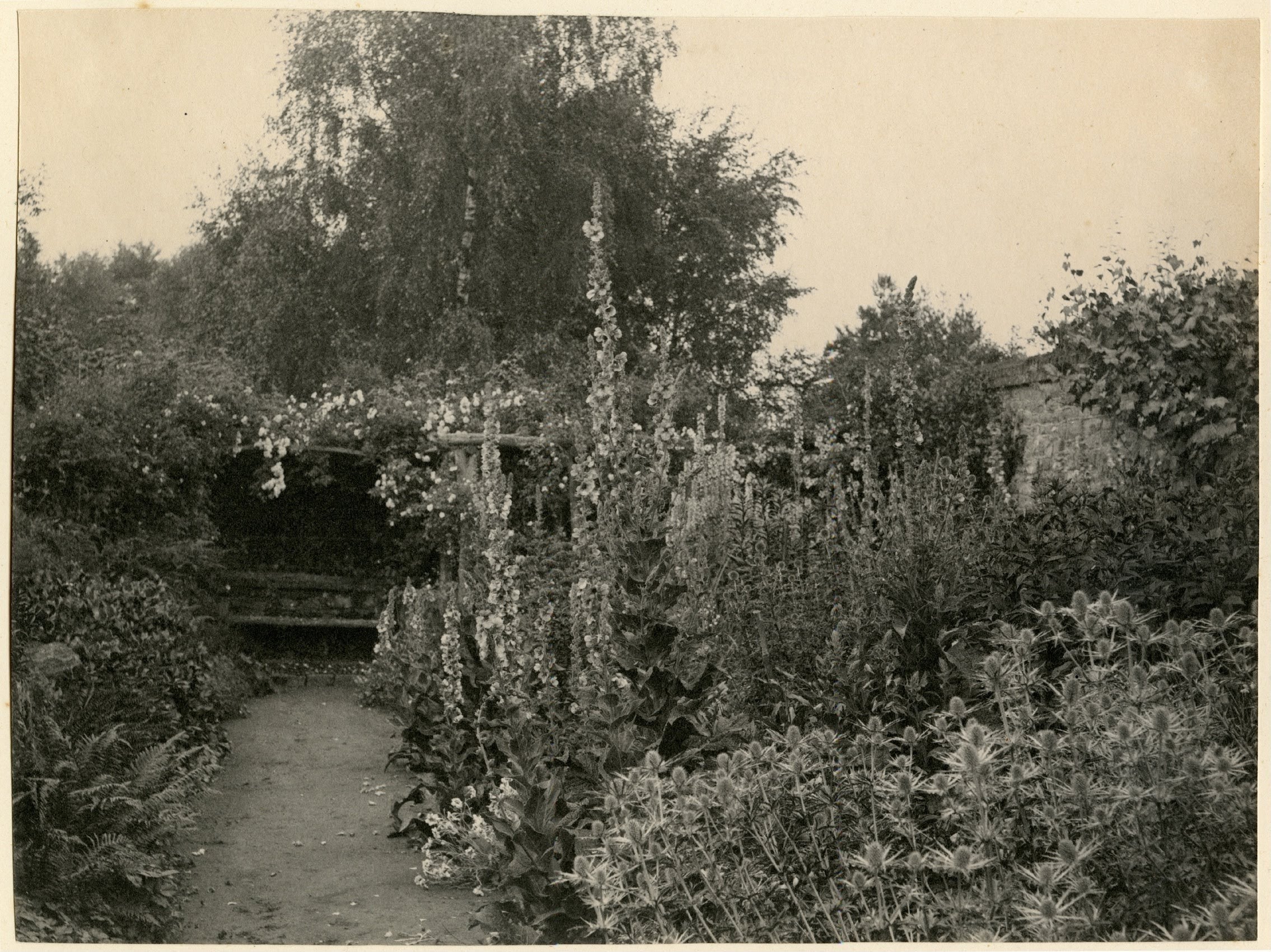
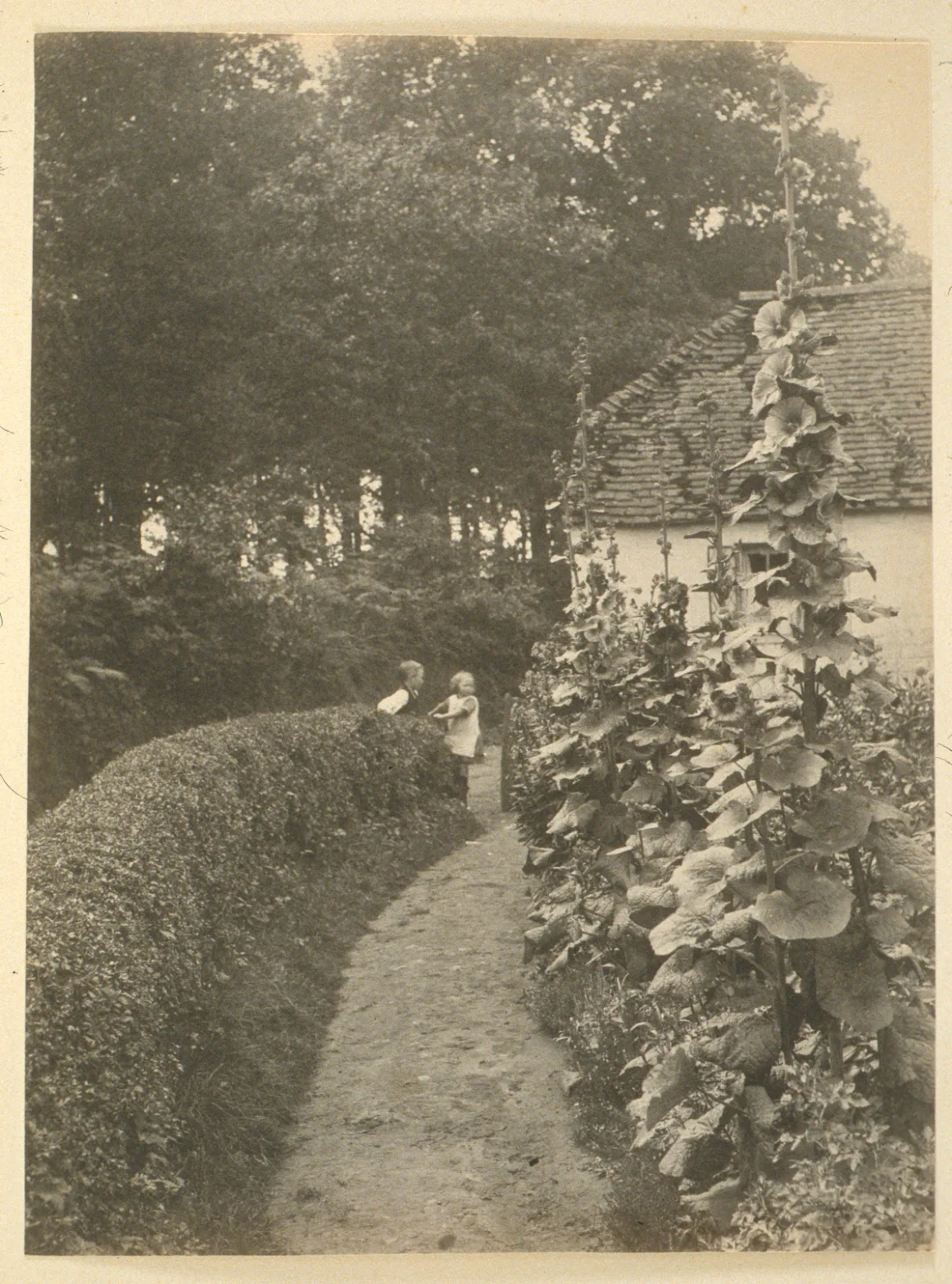
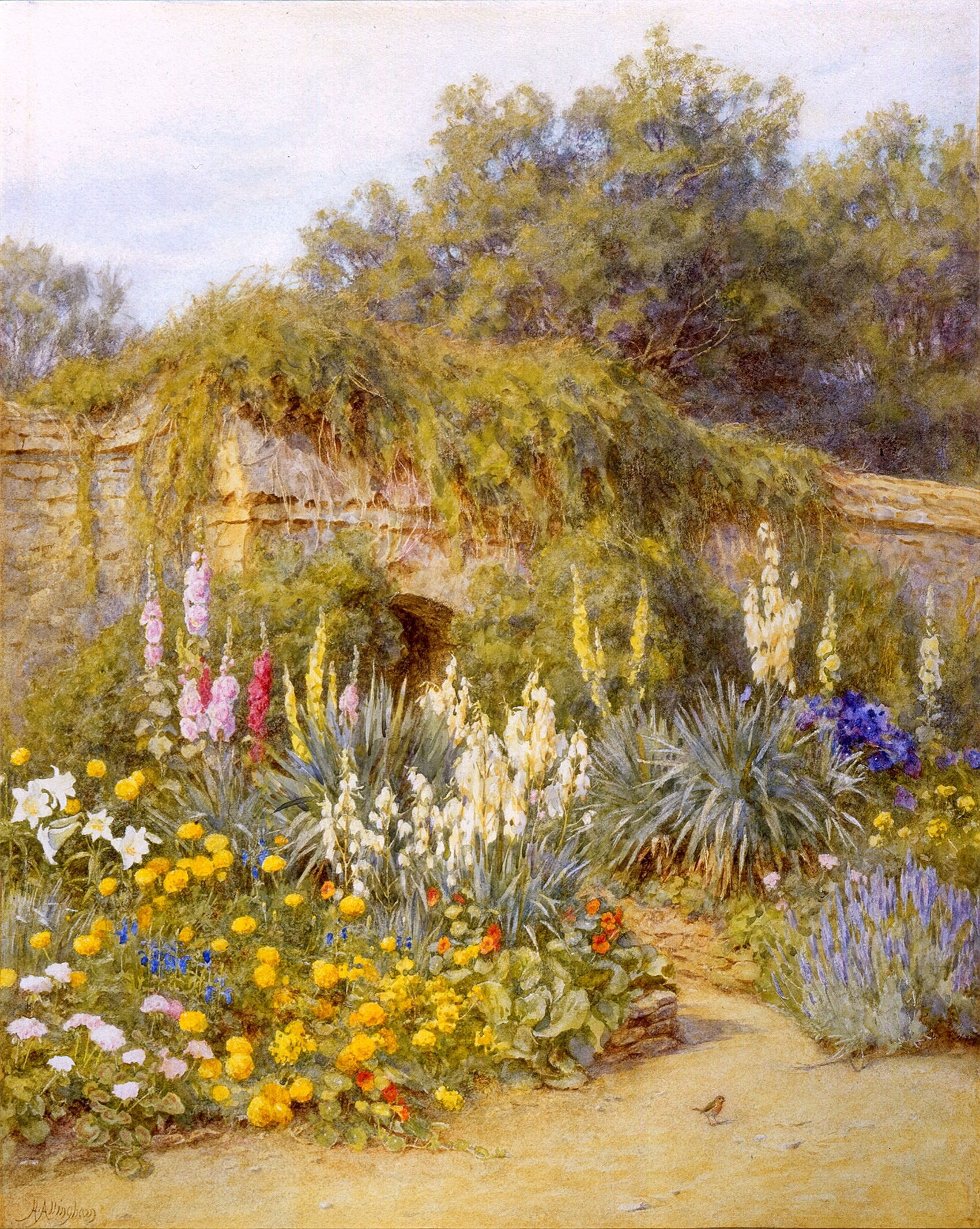
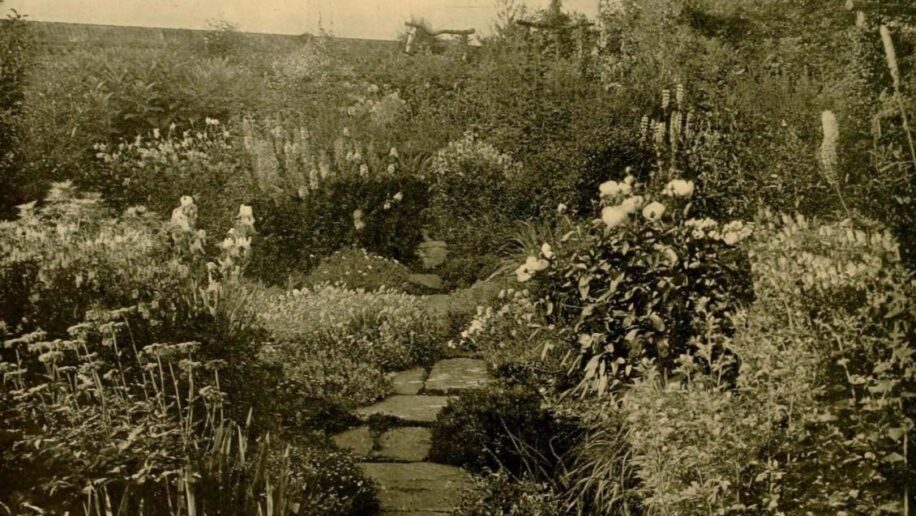
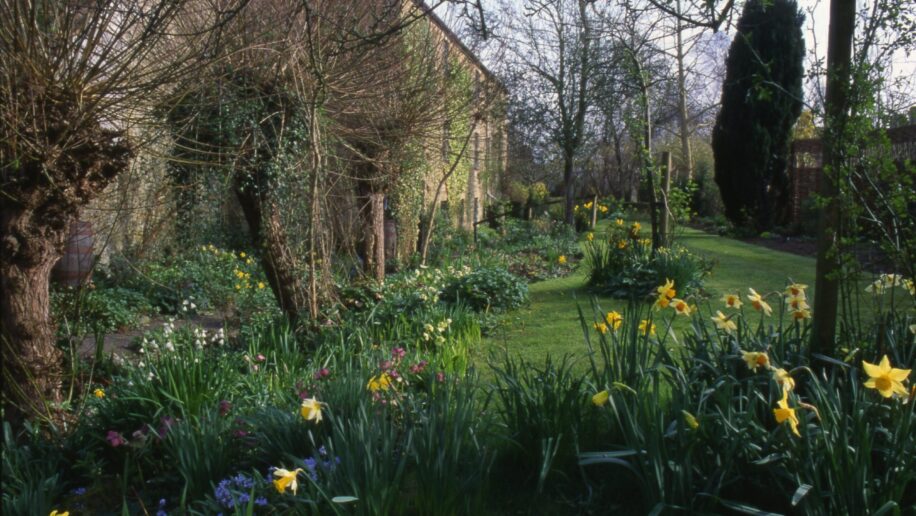
A notable canvas of Jekyll’s was Munstead Wood, her home in Surrey, where she spent decades experimenting with colour combination and planting schemes. Unlike many Victorian gardens, designed to impress in a single spectacular season, Munstead Wood unfolded gradually. Springtime hellebores gave way to carefully colour-blocked azaleas and rhododendrons before the legendary 200-foot flower border reached its midsummer crescendo. Then the Michaelmas Daisy border comes to bloom as the year winds down, giving way to skeletal, architectural structures in the winter months.
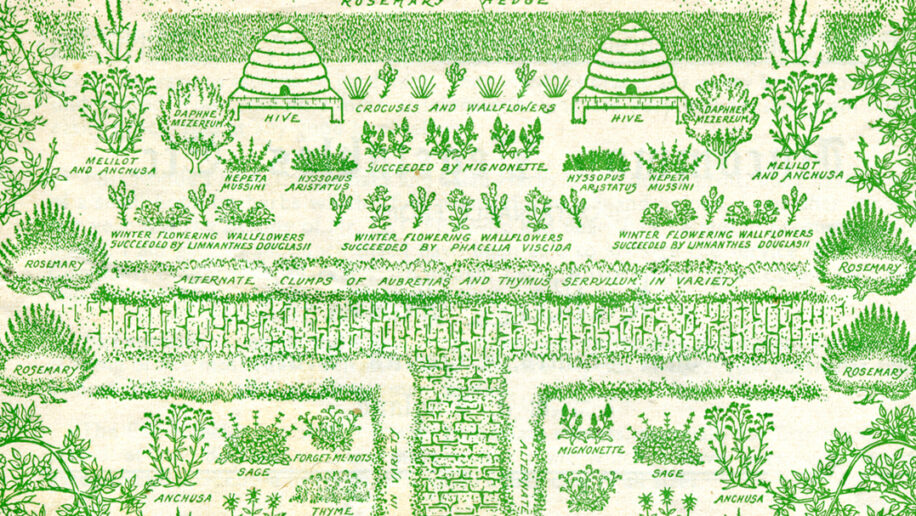
Jekyll’s garden design was interested in plants for the shape of their leaves and texture of their foliage, as well as for their flowers. Collecting native species from Surrey heathland alongside plants encountered during her travels, her ongoing trial of flower combinations lent a painterly quality to her landscapes. Jekyll’s gardens were never defined by just one moment of temporal beauty. Their beauty lay in their careful consideration of continual, seasonal change.
“The love of gardening is a seed that once sown never dies.”
Gertrude Jekyll, Wood & Garden (1899)
Jekyll’s description of the love of gardening as “a seed that once sown never dies” remains a fitting reflection of her legacy, More than ninety years after her death, the seed continues to flourish in gardens around the world, shaped by her ideas and distinctive style. Today, Munstead Wood remains the clearest expression of this philosophy. Jekyll’s greatest legacy is not simply the hundreds of gardens she designed, but the generations of gardeners she taught to see plants with an artist’s eye.