Posted on 8 Jan 2026

Gardens

By Amy Thomson
Horticultural Trainee 25-26

Autumn arrived with force this year, unfurling an impressive display of warm autumnal hues across the trees of South London. At the Garden Museum, under the canopy of London plane trees, this inevitably brought considerable leaf fall. By mid-October, the museum grounds were carpeted in a thick layer of leaves creating the illusion of an orange-brick road leading down to the River Thames. 

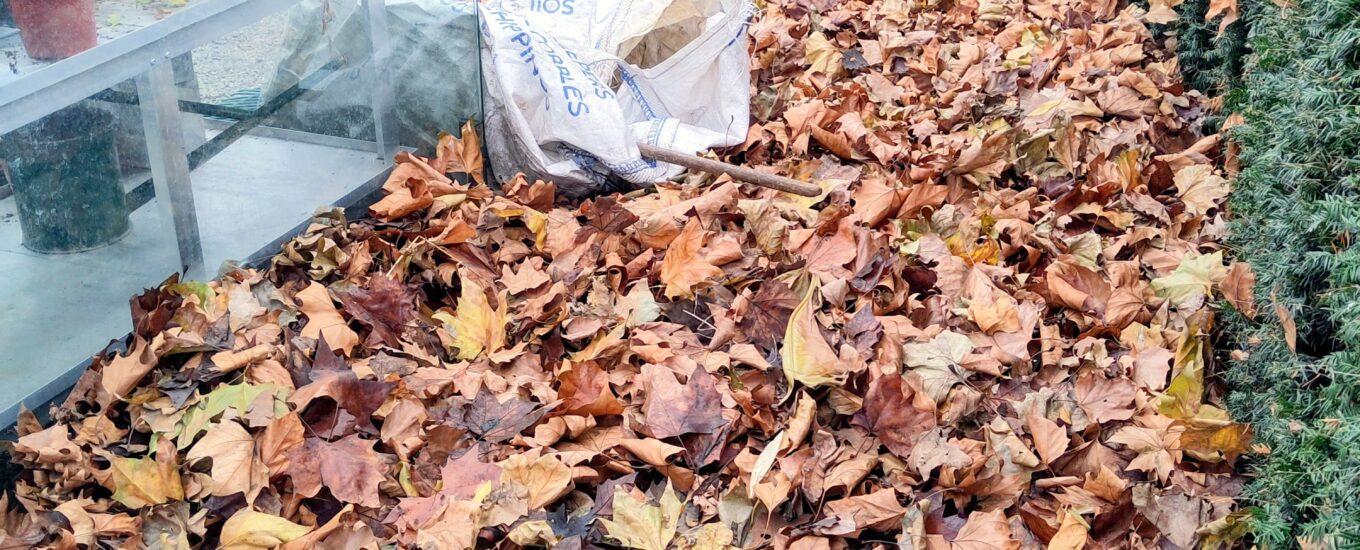
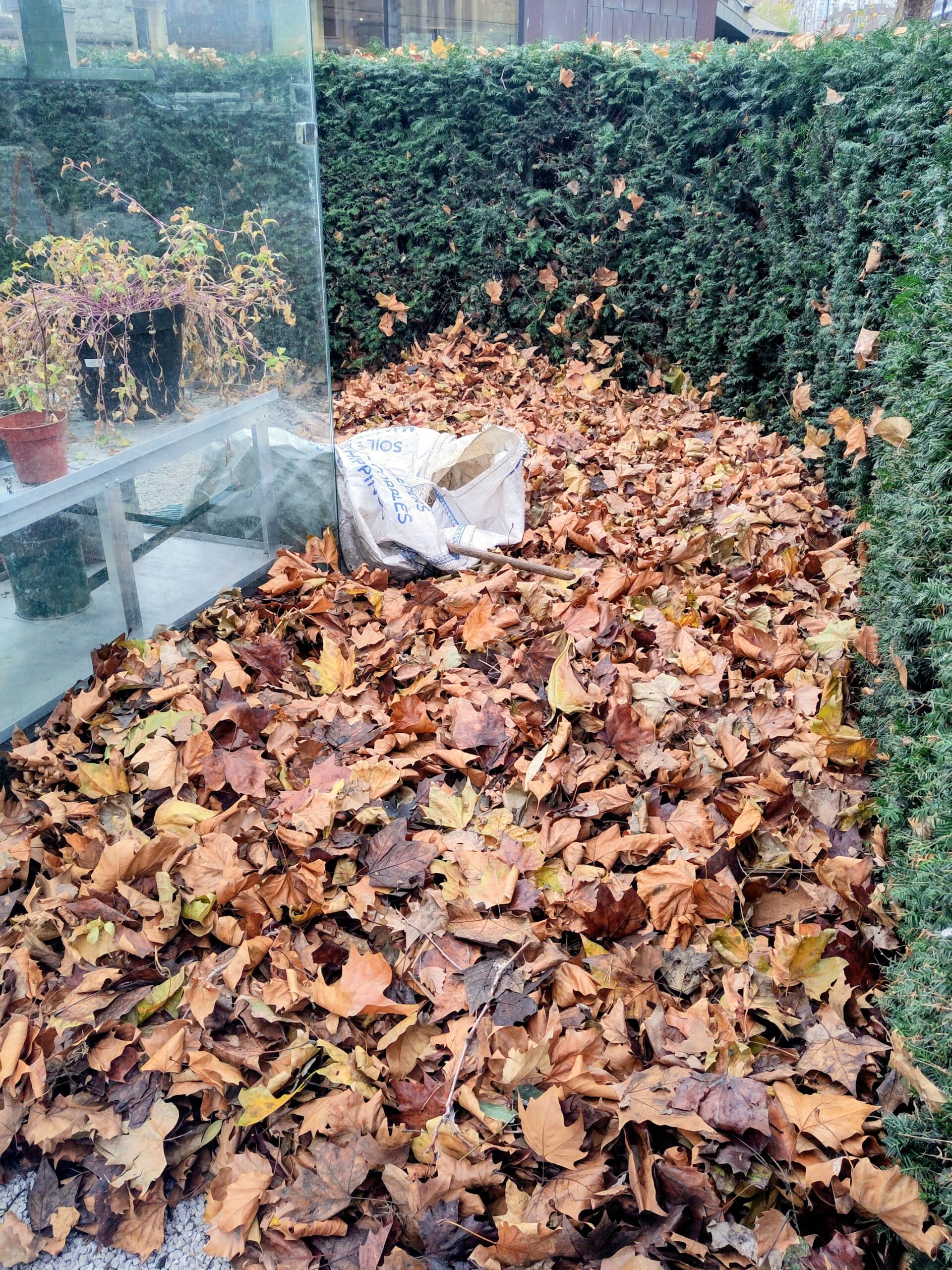
Gathering London plane tree leaves to be composted in our leaf bays

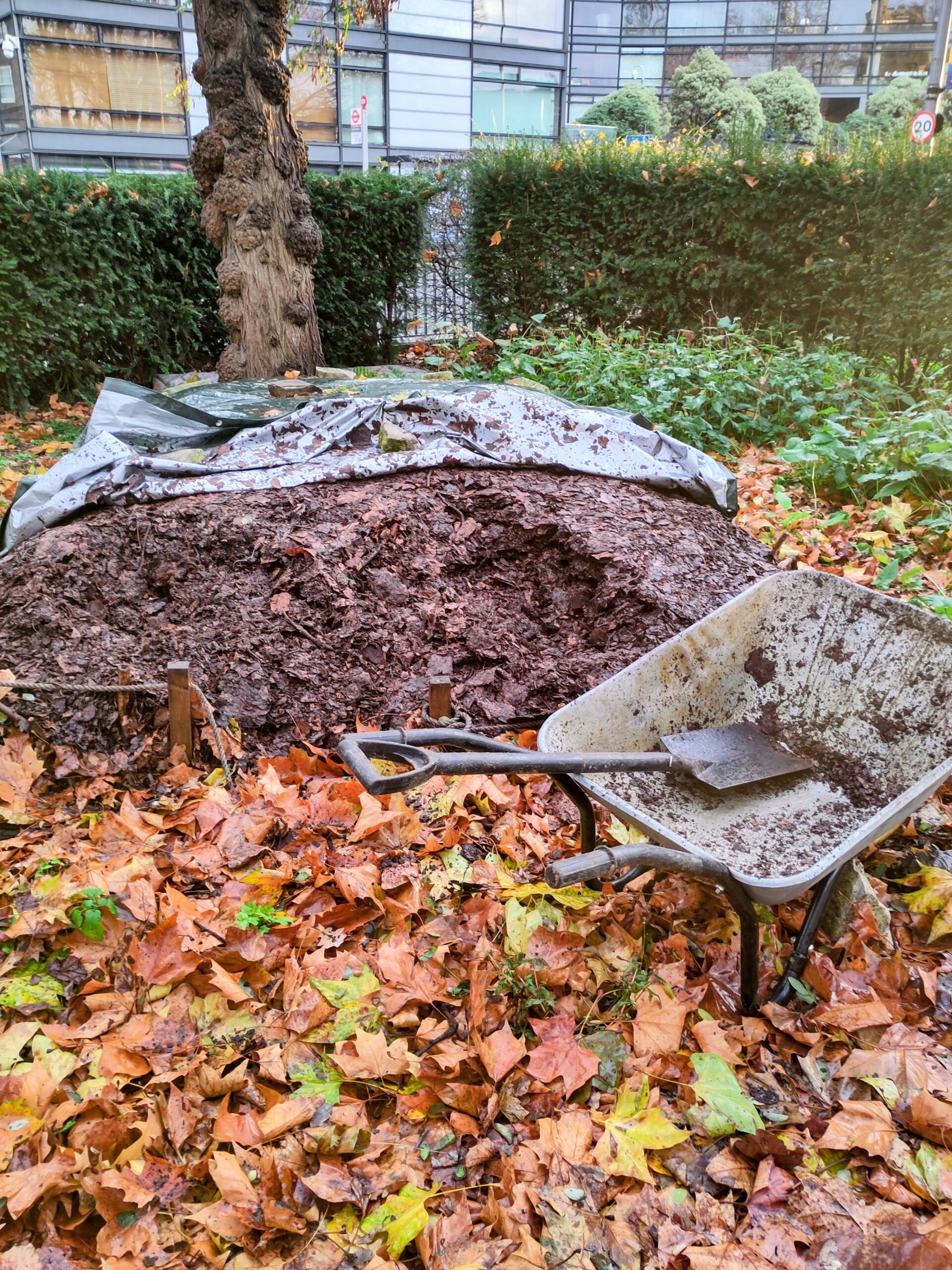
As a result, leaf management has become a significant part of our day-to-day work, with fallen leaves gathered and deposited in our large leaf bays to decompose into leaf mould. Head Gardener Matt Collins has detailed this process in more depth on the Garden Museum’s Instagram, and, excitingly, this year has seen our first successful batch of leaf mould used to mulch areas of the garden. Motivated by this success, more bags of collected leaves have been added to the bays this year, continuing the cycle and helping to reduce both the cost and carbon footprint associated with importing an organic mulch. 

Decomposed leaf mould ready for mulching

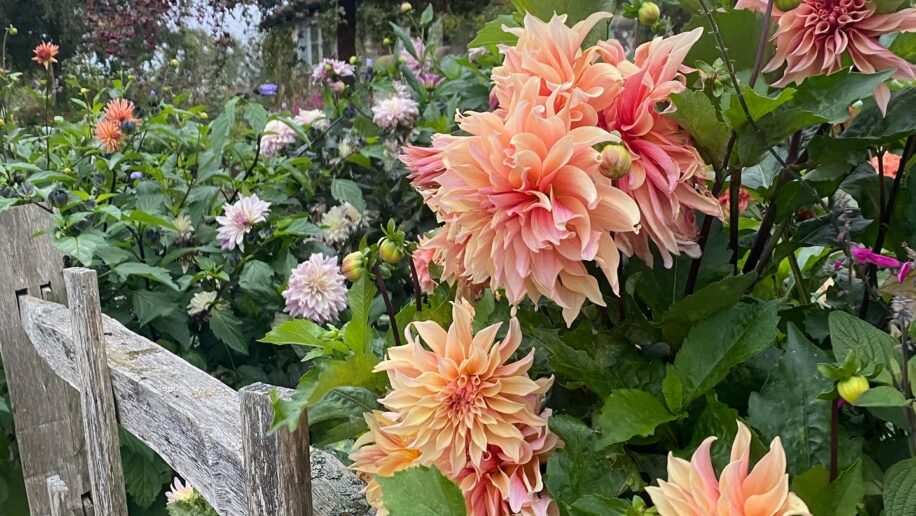
This autumn, the Garden Museum has experienced a full spectrum of weather, from balmy mornings and torrential downpours to high winds and freezing night-time temperatures. As someone who unapologetically prefers the cold (and struggles once the thermometer creeps above 21 degrees!), these cooler conditions have led to an enjoyable gardening season. Thankfully, the cold snap at the end of November spared the emerging tree dahlia buds, which have since come into flower, forming a delicate scatter of lilac in the Courtyard Garden. I’m always eager to point them out to unsuspecting visitors, hoping they will delight in this unusual December spectacle as much as I have. 

Elsewhere in the Front Garden, we have planted 200 Allium ‘Purple Sensation’ and Tulipa ‘Havran’, a striking combination of deep purples designed to contrast with the orange shades of Tulipa praestans ‘Shogun’ in the Café planters. In addition, Matt’s carefully curated selection of muscari, tulips, and irises has been planted for pot displays around the courtyard, currently protected with sprigs of holly to deter disturbance from squirrels. 

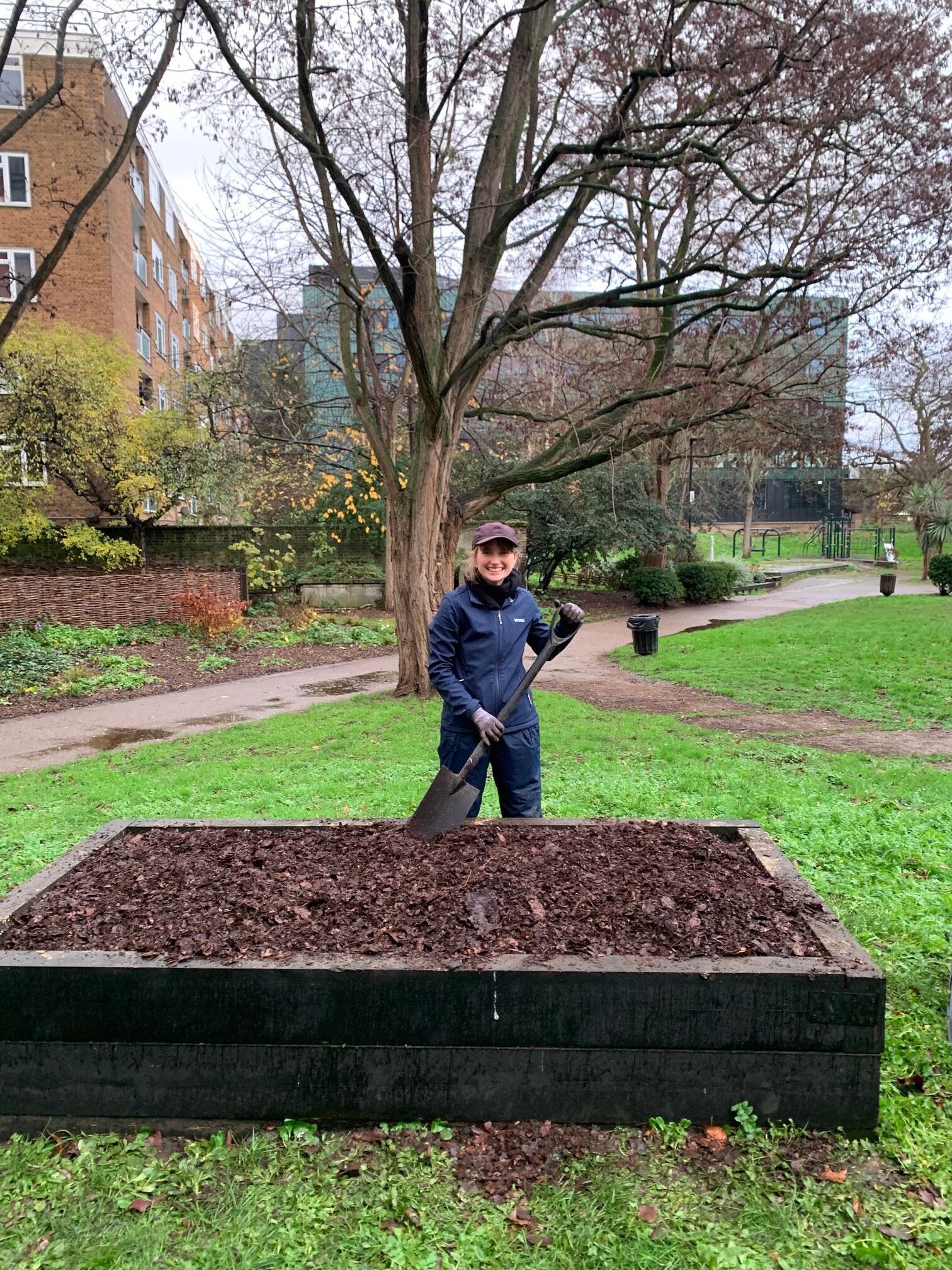
Amy busy preparing the soil for the cut-flower beds in the Old Paradise Garden

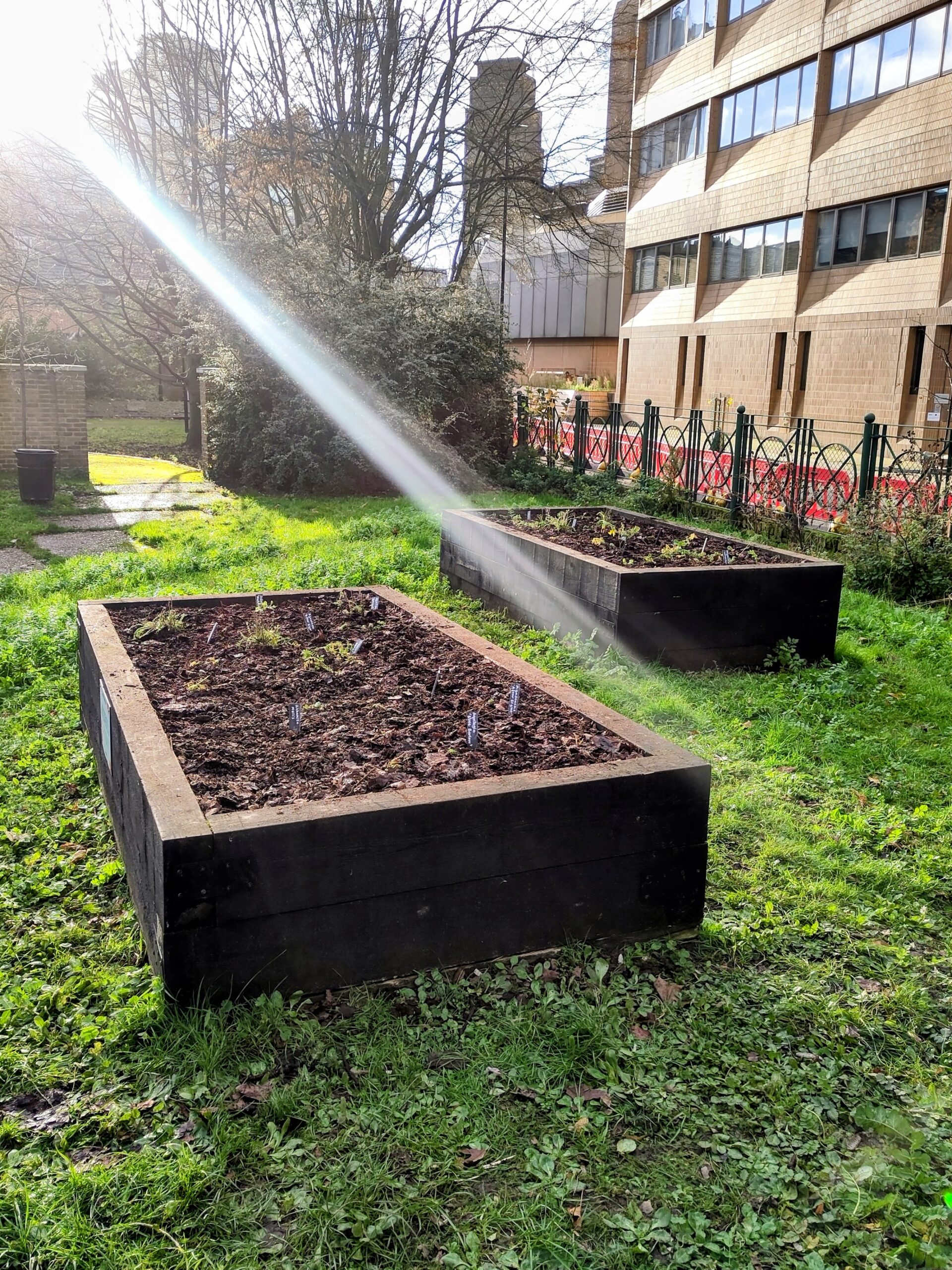
My pride and joy this gardening season, has been the development of the three raised beds opposite the Community Garden into cut-flower beds for use by the Café and Museum events next year. At every stage of the process from being inspired by the floristry books in the Garden Museum shop and preparing the soil, to selecting and planting the specimens has been a real horticultural highlight during my time as the Museum’s Horticultural Trainee.

The beds have been planted in a similar style to an herbaceous border rather than in traditional rows, creating a softer, more natural feel within the park. They include some of my favourites, such as Geum ‘Mai Tai’, Polemonium caeruleum, and Aquilegia, alongside tried-and-tested essentials like Achillea ‘Apricot Delight’, Alchemilla mollis, and Origanum. This January, you’ll find me poring over Chiltern Seeds’ catalogue to decide which annuals to germinate for the beds in spring. 

Specimens planted and labelled in glorious autumn sunshine

As we edge into winter and I look across the garden, it is immensely satisfying to reflect on a busy yet successful autumn and something that would not, of course, be possible without the fantastic volunteers, the mentorship of Selina Ozane, and the guidance of Matt Collins. While the garden settles into dormancy, I am already looking forward to seeing how the garden develops in spring. 

For more stories like this, sign up to the Garden Museum’s weekly newsletter: subscribe