MUSEUM Timeline
1377

Medieval Tower
The church is rebuilt in stone, including a new bell tower; it is repaired in 1834–35 but otherwise the tower is original to the 14th Century, and is the oldest surviving structure in the borough of Lambeth.
1500s

Tombs and Monuments
The prestige of the church is reflected in the wills of many citizens who ordered tombs for themselves, particularly in the Chancel. The most significant is the chantry tomb of Hugh Peyntwyn (d.1504), which is the earliest known example of a new design of wall monument associated with the royal workshops. Opposite is a monument of the same type to John Mompesson (d.1524). St Mary-at-Lambeth is unique in having two monuments of this type. These can be seen in the Ark Gallery.
1638

Celebrated Locals
Death of celebrated gardener and plant collector John Tradescant. He is buried in the churchyard of St Mary-at-Lambeth, his local parish.
1647
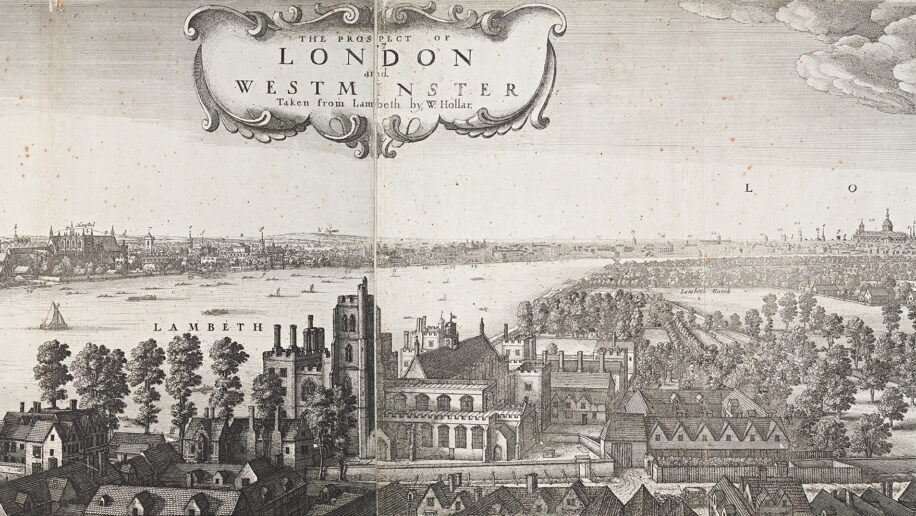
Artist’s View
Wenceslaus Hollar is thought to have stood on top of the tower of St Mary-at-Lambeth to draw his 1647 ‘Prospect of London and Westminster.’
1662
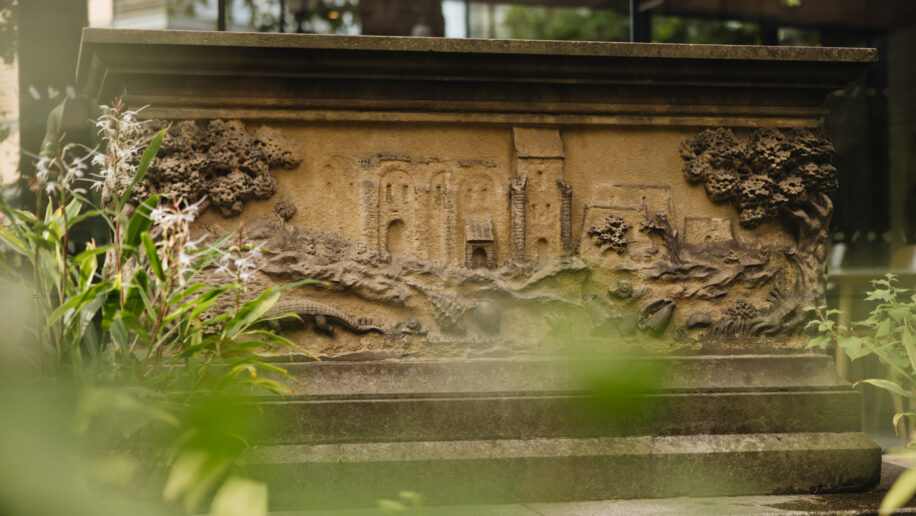
Monumental Memorials
John Tradescant the Younger dies. His widow, Hester, erects a decorated tomb in the churchyard as a family memorial.
1817
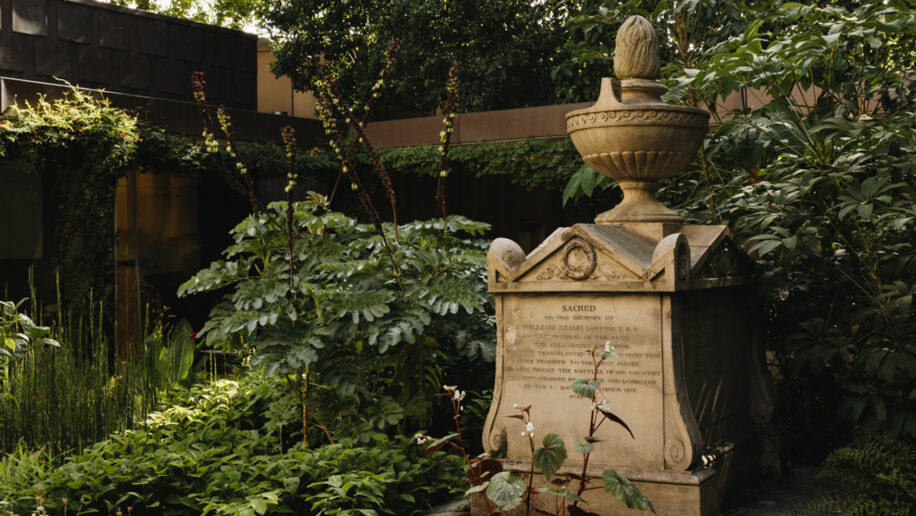
Mutiny on the Bounty
Admiral William Bligh, who lived at 100 Lambeth Road, dies and is buried in his family tomb in the churchyard.
1851-2

Victorian Reconstruction
The body of the church is continually rebuilt and developed over the centuries but, decisively, in 1851-2 the aisles and nave are rebuilt by Philip Charles Hardwick, an architect prominent in the construction of banks and railway stations. His father, Sir Philip Hardwick, designed the Euston Arch. Hardwick’s work is described by the Museum of London Archaeology Service as “an almost complete rebuilding of the old body of the church”. The most eye-catching survivals are four of eight corbels in the ceiling of the nave, these are a mix of medieval and Victorian construction.
1854

Final Capacity
The churchyard closes to new burials; it is estimated that there are over 26,000 burials on the site of the church and the level of the site has risen in consequence.
1900

Immersion Font
One of the few twentieth-century interventions takes place with the insertion of an immersion font, said to be one of only two examples in Anglican churches in England, and a baptistery at the base of the tower.
1941
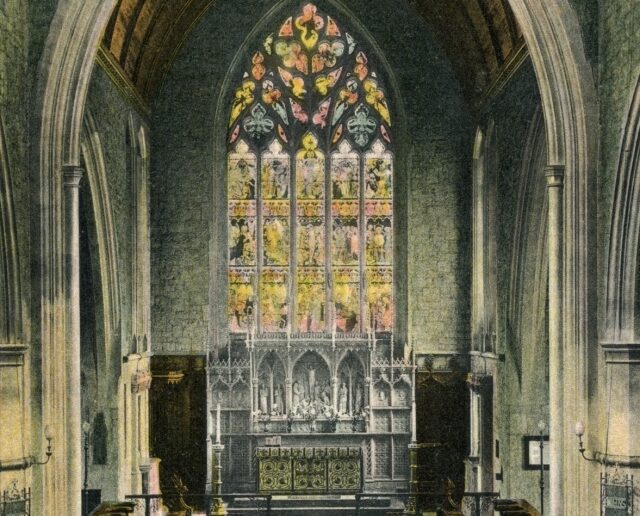
The Blitz
Bombing during the Second World War damages the church, including the stained-glass windows, and breaks up the altar donated in 1888 by Sir Henry Doulton as a memorial to his wife. Doulton’s factory of ornamental ceramic ware stands just 300 metres to the south of the Museum.
1950

Stained Glass Repairs
The stained glass damaged in the war is replaced by plain glass and panels by Francis Stephens (1921 – 2002), including a replica of the “Pedlar’s Window”.
1972
Deconsecration
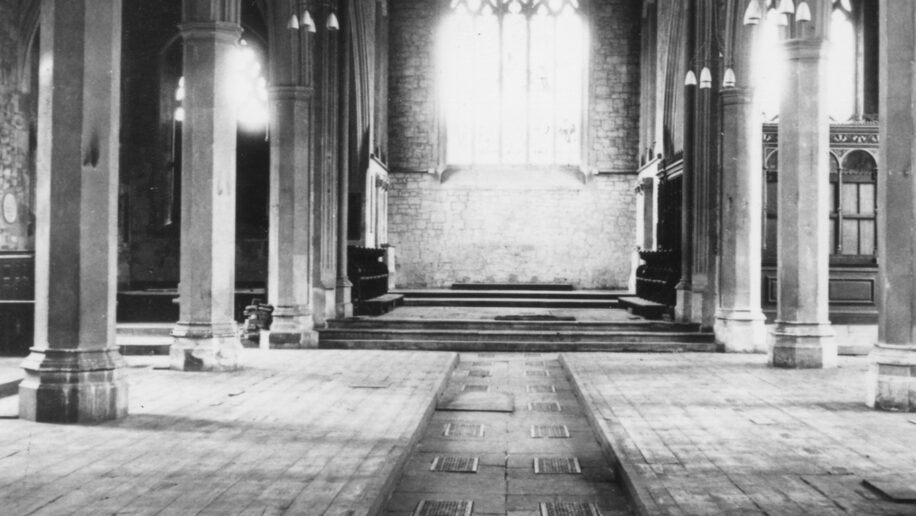
The church is made redundant as a consequence of its dilapidation and gloom, and also because of changes in the population settlement of the parish. The area by the riverside has become derelict and under-populated, and the Vicar wants a church closer to where the congregation lives. In 1969 Lambeth Council designated the area around Lambeth Palace as one of the borough’s first conservation areas.
Soon after the Church Commissioners obtained the necessary consents for demolition; the altar, bells, and pews are removed.
1976
Rescue and Repair
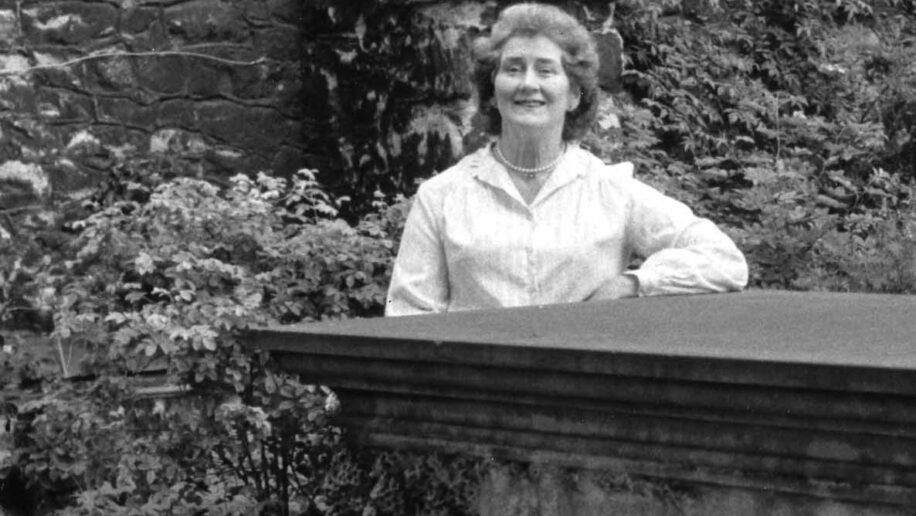
During a visit to the Church of St-Mary-at-Lambeth, Rosemary and John Nicholson were shocked to find it boarded up and awaiting demolition. Drawn there by the historic tomb of the Tradescants, they were determined to save both the building and the monument. They established the Tradescant Trust and secured a 99-year lease from the Diocese of Southwark, who remain our landlords today. The rescue and repair of the church soon became one of the landmark architectural conservation projects of its time.
1977

Establishing the Museum of Garden History
Following the successful campaign to save the site, Rosemary and John turned their attention to creating a new kind of museum. They envisioned a space dedicated to Britain’s gardening heritage, inspired by the lives and work of the Tradescants. With the Tradescant Trust in place, the Museum of Garden History begins to take shape. Donations from supporters started to build a collection, laying the groundwork for what would become the world’s first museum dedicated to the history of gardens and gardening.
1980s
Living Garden History
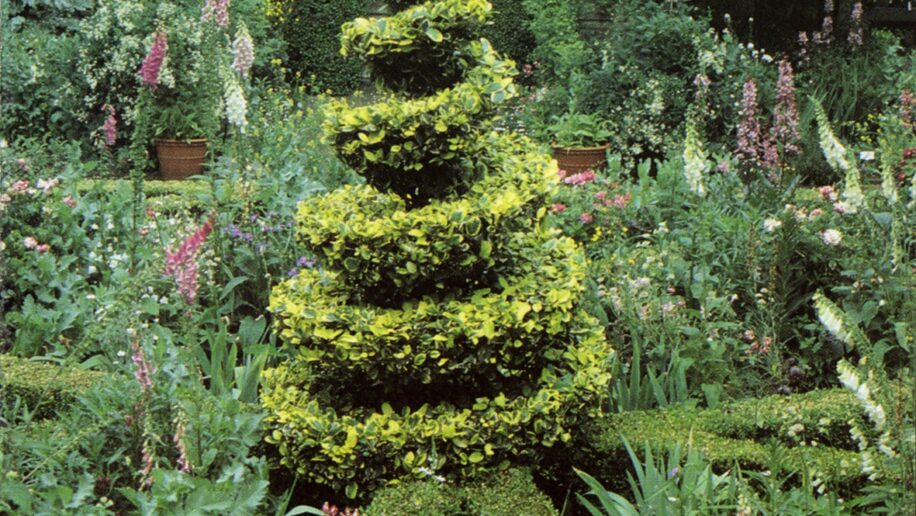
In 1980 a 16th century style knot garden was established at the centre of the Museum, designed and created by Lady Salisbury, the President of the Garden Museum. It offered a quiet place for contemplation in the hustle and bustle of central London.
1990
Creating the Collection
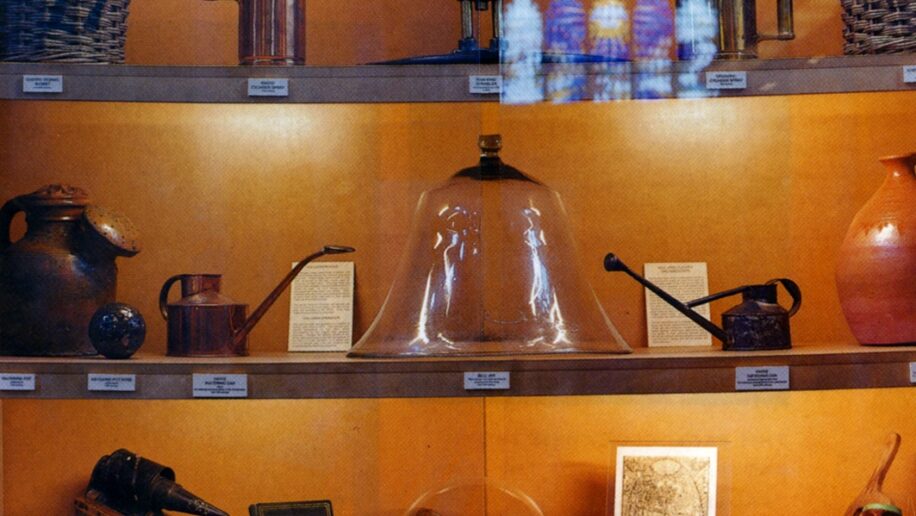
In 1990 the Museum planned for expansion, both of the collection and the space to display it. Designs were drawn up for a mezzanine level so artefacts could be put in a modern display. A major collection of tools was acquired from William Brown of Beckenham for £10,260. 13 items were acquired in the sale of Lord McAlpine’s estate, including the 17th century watering pot, at the time the most expensive of its kind in the world.
Later the same year an exhibition of garden tools began a national tour of garden centres, an innovative idea in a time when Museums tended to distrust commerce.
2008
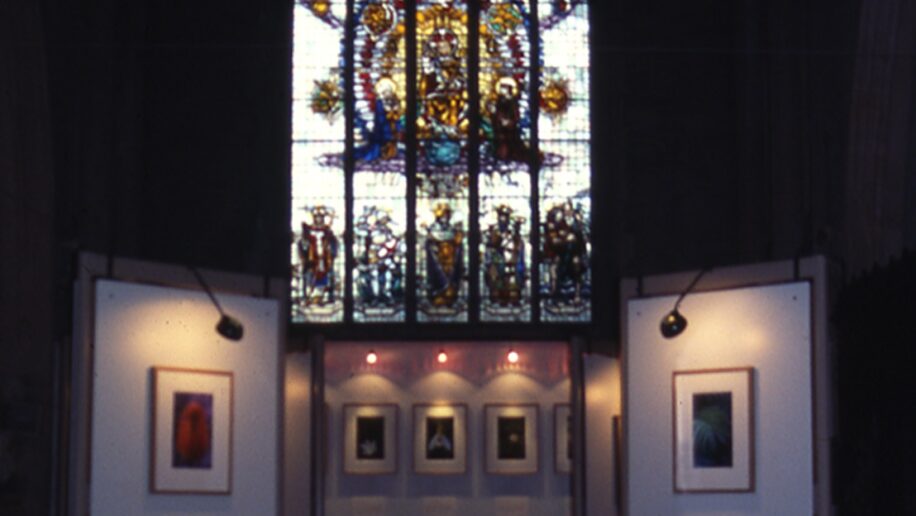
Establishing Exhibitions
The Church continued to be a bare shell, with a floor of wood and earth, and no heating, lighting, or drainage of its own. It was not possible to display works of art or precious artifacts as these require secure spaces, and protection from light and changes in the environment. In 2008, Dow Jones Architects were winners of a competition for young architects to design a new gallery for temporary exhibitions.
2015
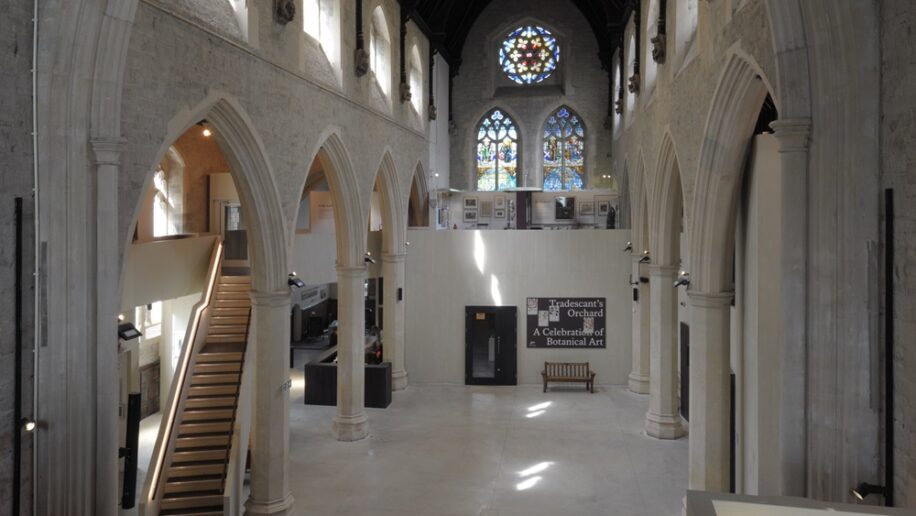
Making a Museum
In 2015 the Garden Museum closed for 18 months to undergo a large redevelopment project, which resulted in a much larger space for the permanent collection to be displayed as well as two new learning spaces, a new café and two new gardens, designed by Christopher Bradley-Hole and Dan Pearson.
The internal structure of the Museum has been built using a prefabricated timber technology pioneered in Switzerland, which stands up by itself, so does not require digging foundations, or fixings into the old walls. It has also been designed to let as much natural light in as is possible, creating an air of calm which continues into the extension. We can now display the collection of garden history in addition to exhibitions, and have a gallery in which treasures of Tradescant’s Ark can be seen.
2017
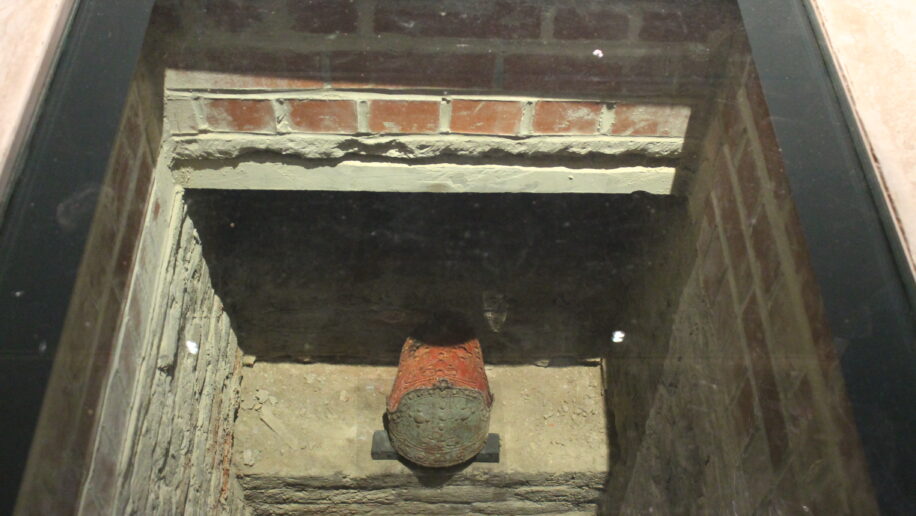
Archbishops’ Tombs
On Easter Sunday 2017, a remarkable discovery was reported by the Sunday Telegraph: a hidden vault beneath the chancel of St Mary’s, Lambeth, containing up to 30 lead coffins—among them, as many as five Archbishops of Canterbury. The vault was uncovered during construction work on the Tradescant’s Ark gallery, when contractors lifted a loose stone in the floor and revealed a staircase descending into darkness. In the crypt below, lead coffins were visible, one bearing a glittering Archbishop’s mitre. Among those believed to be buried there is Archbishop Bancroft, who died in 1610 after overseeing the translation of the King James Bible for King James I. The discovery came as a surprise because it was long assumed that all remains had been removed during the Victorian restoration of 1851, which cleared most burials from the church—including those of Elias Ashmole and the Boleyn family. While six Archbishops were known to have chosen St Mary’s as their resting place, their tombs were thought lost.
2018
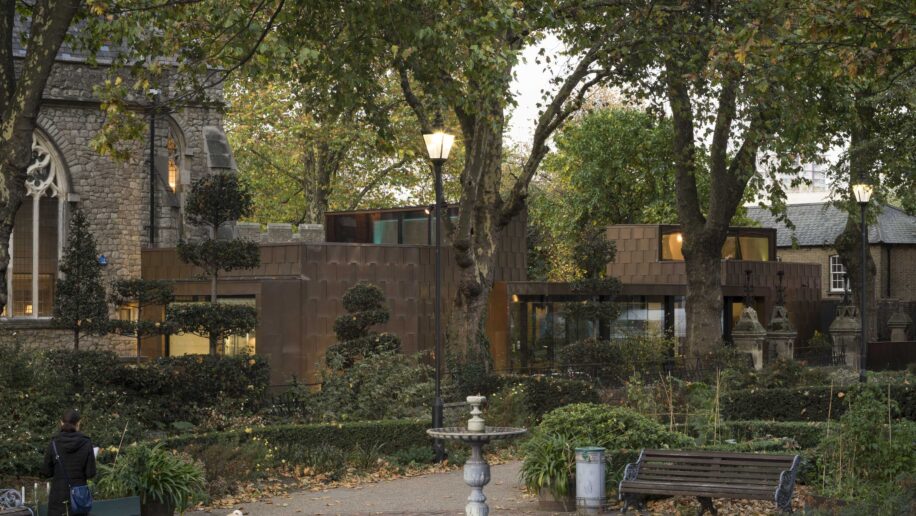
New Green Space
Plans are announced for Lambeth Green project, which will transform 5.3 acres into vibrant parks, public green spaces, and a landmark garden for all right next to the Garden Museum. At its heart, a pioneering pavilion made from recycled London buildings will train the next generation of horticulturists while greening the city.
2020s
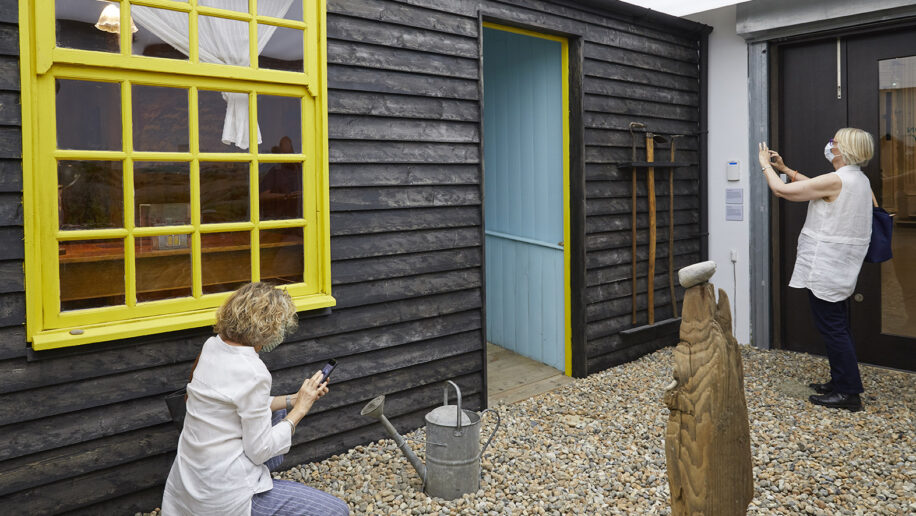
Exhibition Expansion
The Garden Museum mounts world-class exhibitions, welcoming record number of visitors year on year. From recreating Derek Jarman’s iconic garden in Dungeness in 2020, to an immersive display Frank Walter’s radical Antiguan art.
2021
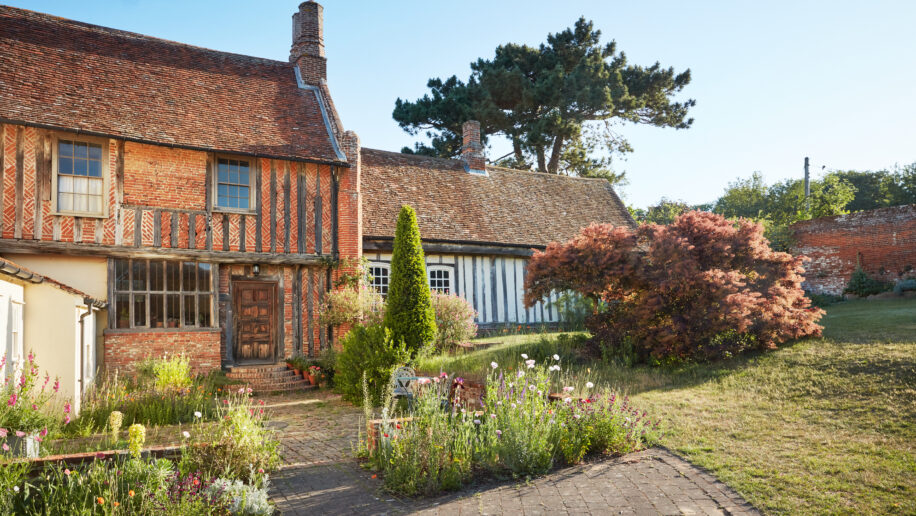
Acquiring an Artists’ Garden
Benton End was majority gifted to the Garden Museum. Once the Suffolk home of celebrated artist and gardener Sir Cedric Morris (1889 – 1982) and artist, Arthur Lett-Haines (1894–1978); lifelong partners, who met on Armistice Night in 1918.
Cedric and Lett established the East Anglian School of Painting and Drawing creating one of the most remarkable art schools of the period, a place ‘outside the system‘. One of the first pupils was the 17-year old Lucian Freud; one of the last, Maggi Hambling. The artists were often joined by friends such as Elizabeth David, Vita Sackville-West, Constance Spry, Benjamin Britten and Peter Pears. by two exceptional Patrons with the intention that the house and garden might be revived and opened to the public once again.
2023
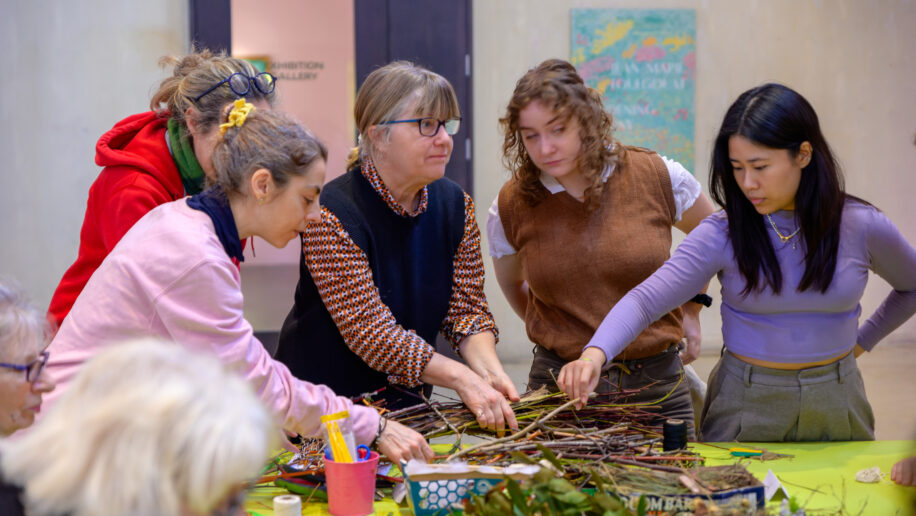
Branching Out
Arts Council England recognises the Garden Museum as a National Portfolio Organisation. This brings ongoing investment and allows the museum to open its Nave exhibitions and family crafts area to everyone for free.
The Museum establishes Branch Out, a programme of free creative workshops, and Tuesday Tots for local families to drop in and explore the museum.
Questions & Answers
Lorem ipsum dolor sit amet, consectetur adipiscing elit. Praesent et tincidunt nisi. Ut eget finibus mauris. Integer aliquam, neque sed dignissim euismod, erat tortor maximus neque, id convallis diam odio placerat velit. Aliquam ut rutrum sapien, at pulvinar nisl. In hac habitasse platea dictumst. Nunc eleifend odio et pharetra lacinia. Aenean faucibus tortor in felis fringilla, pellentesque volutpat nulla venenatis. Vivamus augue turpis, ullamcorper at dolor et, aliquet pulvinar elit.
Lorem ipsum dolor sit amet, consectetur adipiscing elit. Praesent et tincidunt nisi. Ut eget finibus mauris. Integer aliquam, neque sed dignissim euismod, erat tortor maximus neque, id convallis diam odio placerat velit. Aliquam ut rutrum sapien, at pulvinar nisl. In hac habitasse platea dictumst. Nunc eleifend odio et pharetra lacinia. Aenean faucibus tortor in felis fringilla, pellentesque volutpat nulla venenatis. Vivamus augue turpis, ullamcorper at dolor et, aliquet pulvinar elit.
FOUR CARD PAGE PUSHES
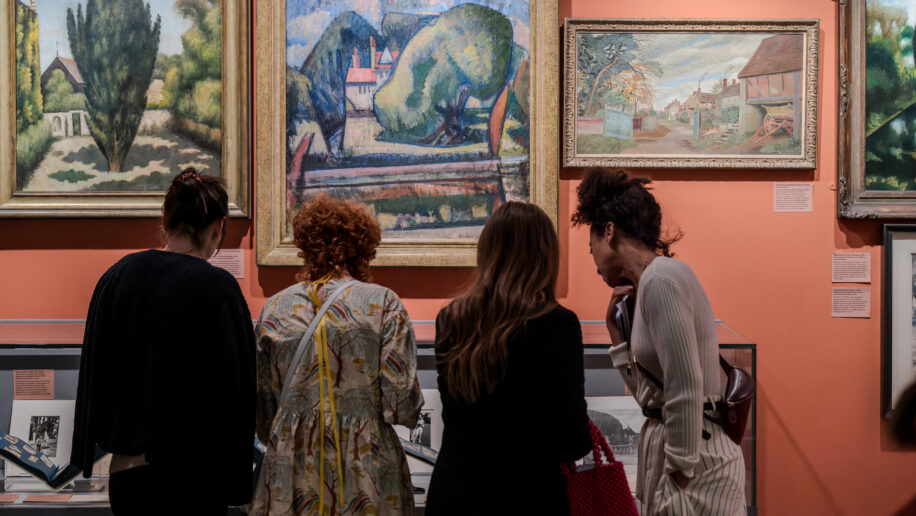
Our Museum
History, nature and creativity meet at Britain's only museum dedicated to gardens
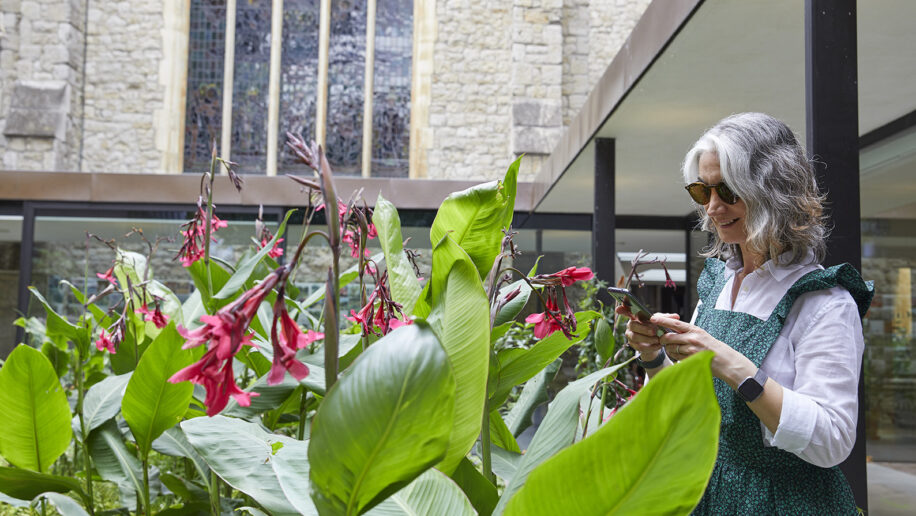
Our Gardens
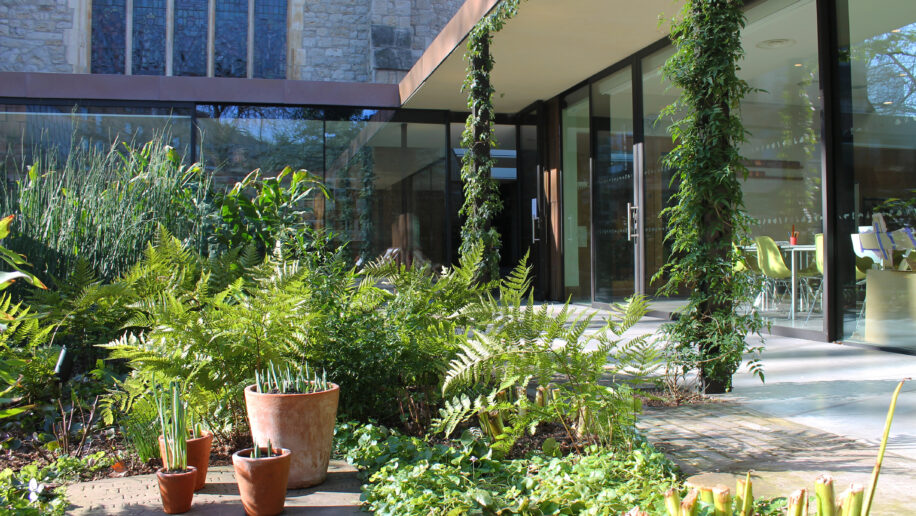
A green oasis in the heart of the city, our gardens include a peaceful courtyard and a community garden open to all
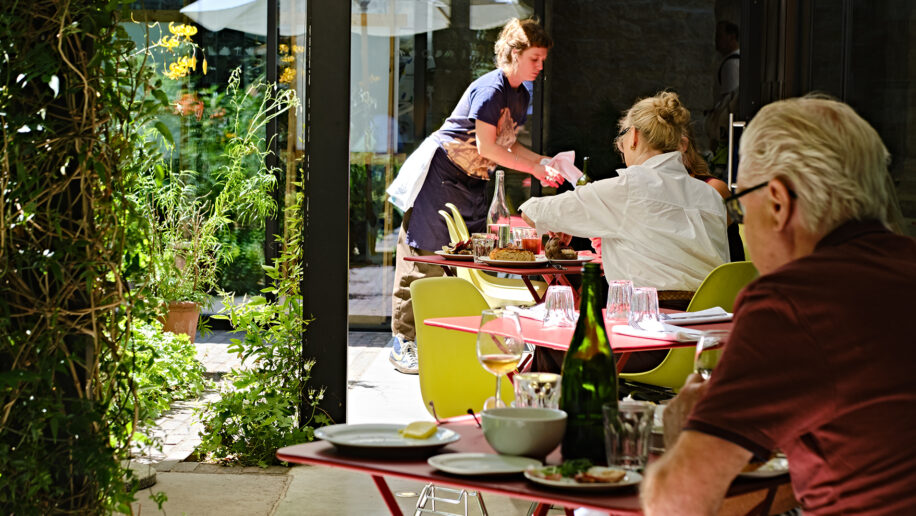
Garden Café
Complete your visit with a meal at our award-winning Garden Café, serving a seasonal modern European menu
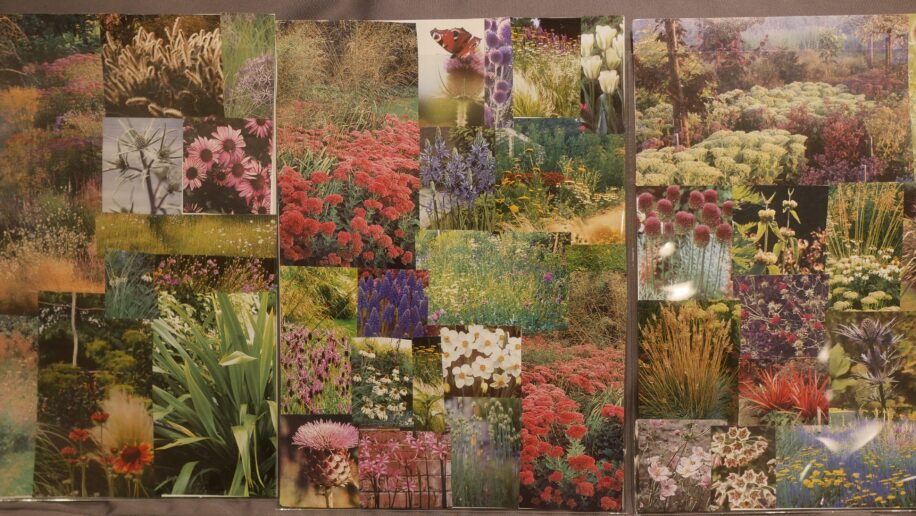
Archive
Preserving the working records of leading British garden designers for future generations
Our learning Programme

Community
We pride ourselves as a local museum and we’re dedicated to making our neighbours welcome here
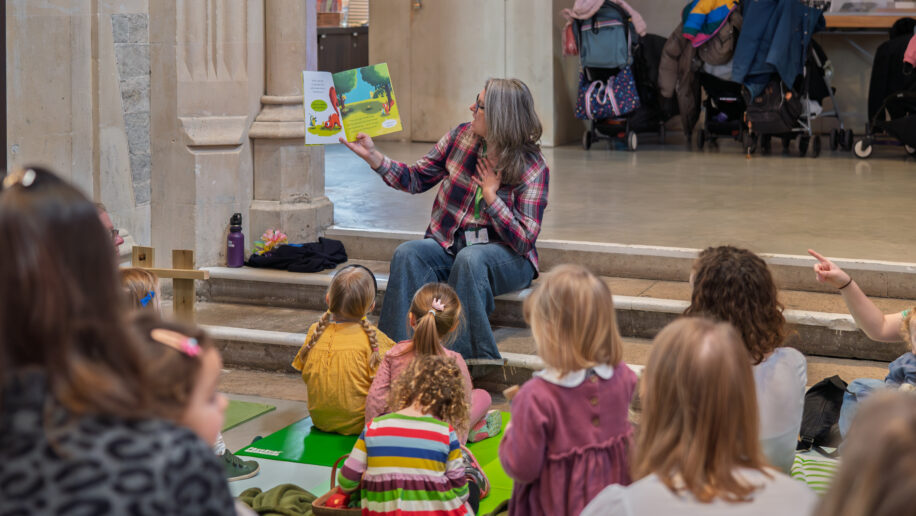
Families
Our family learning programme is inspired by nature, the seasons, and the museum collection and exhibitions

Food Learning
Inspiring people of all ages to cook with, learn more about, and enjoy eating plants
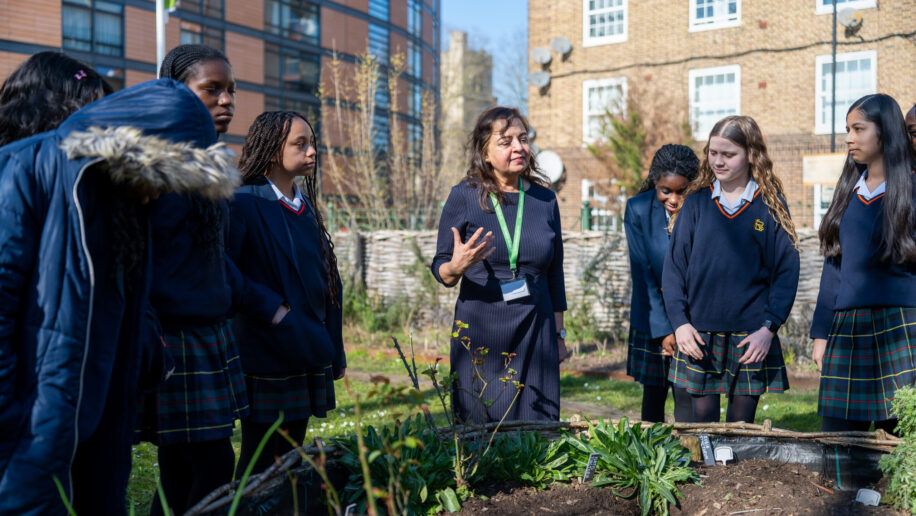
Schools
Learn about plant science on a school trip to the Garden Museum, free for London state schools
A promo block
Lorem ipsum dolor sit amet, consectetur adipiscing elit. In tempus ipsum ac dui accumsan varius. Integer vestibulum tincidunt purus eget rutrum. Sed condimentum scelerisque felis in laoreet. Nulla facilisi. Aliquam ex leo, ultricies ut hendrerit ut, tristique id elit. Nam sed fringilla felis. Vestibulum erat ex, fringilla non ante sed, molestie rhoncus sem. Suspendisse vitae dapibus libero. Donec tempor nisl at arcu sollicitudin, at faucibus enim elementum. Aenean sed arcu non elit suscipit posuere sit amet at dolor.
Photo Gallery


What's On
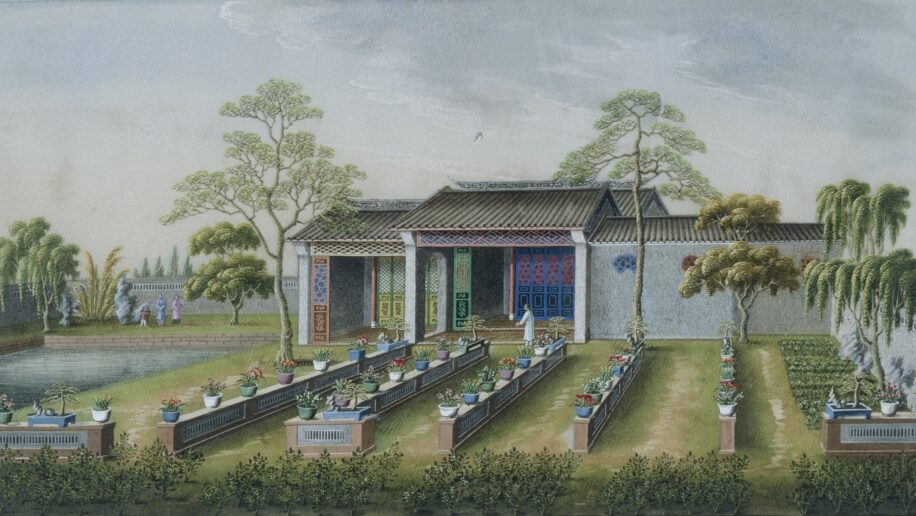
See our upcoming exhibitions and events for all ages
Custom Card
Lorem ipsum dolor sit amet, consectetur adipiscing elit. Aliquam rhoncus eget nisi vitae vulputate. Vivamus quis ex mi. Suspendisse eu tempor magna. Fusce ac leo sed ante molestie mattis.
Our remarkable Spaces
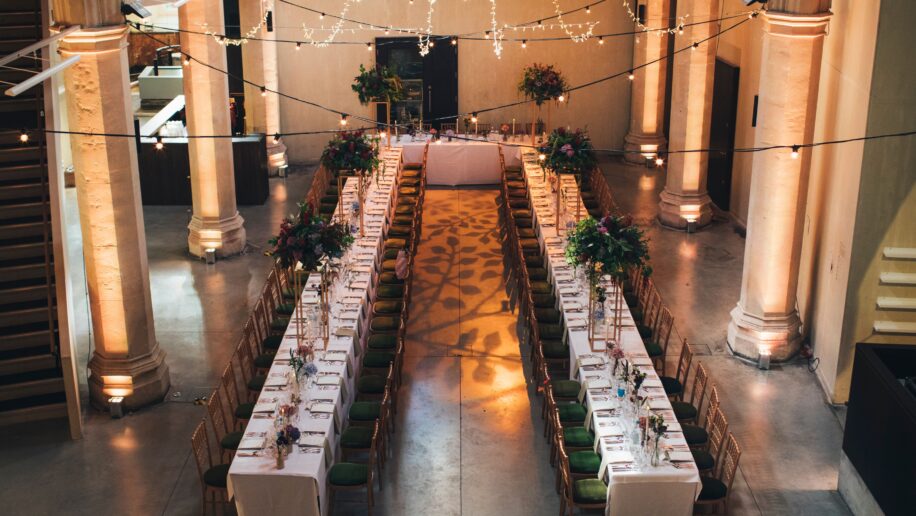
The Nave
Soaring ceilings and historic charm meet in this vast space at the heart of the museum.
WHAT TO EXPECT AT A VISIT TO THE GARDEN MUSEUM
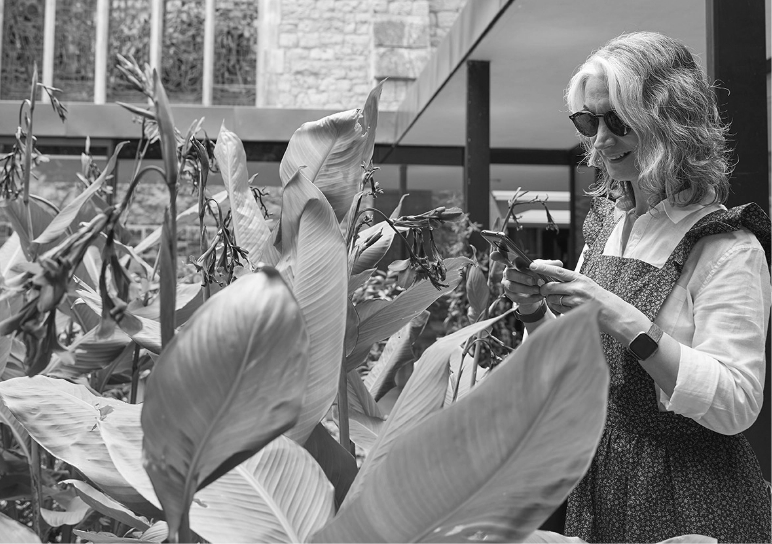
Museum – Entrance and main desk
- The smell changes as you walk into the main doors, it smells like an old church (stone like scent)
- There is uneven flooring near to the baptistry on your left, small step and uneven tiling
- There is a stain glass window (bright, cool lighting)
- There is a screen in the baptistry area giving a point of view of what it is like to go up the tower, low lighting, the screen may be overstimulating
- Tower door can slam/bang if there are high winds
- Bright lights at the front desk, can be overstimulating
- Lift can be loud when used
- All museum staff wear a green GARDEN MUSEUM lanyard, you can ask any of us if you need assistance.
Lorem ipsum dolor sit amet, consectetur adipiscing elit. Vivamus neque lacus, viverra ac semper quis, dictum in neque. In sed arcu mauris. Maecenas faucibus, orci ac accumsan pharetra, ipsum nibh viverra nulla, eu interdum tellus ex iaculis dui. Phasellus tempus malesuada quam, id faucibus leo facilisis non. Duis eget pharetra tortor. Suspendisse a congue sem. Vestibulum ante ipsum primis in faucibus orci luctus et ultrices posuere cubilia curae; Orci varius natoque penatibus et magnis dis parturient montes, nascetur ridiculus mus. In hac habitasse platea dictumst. Nulla vel aliquet risus, vel finibus velit. Phasellus nisi justo, ultrices quis est sed, iaculis finibus justo. Donec massa odio, convallis vitae felis in, suscipit tempus purus.
Lorem ipsum dolor sit amet, consectetur adipiscing elit. Vivamus neque lacus, viverra ac semper quis, dictum in neque. In sed arcu mauris. Maecenas faucibus, orci ac accumsan pharetra, ipsum nibh viverra nulla, eu interdum tellus ex iaculis dui. Phasellus tempus malesuada quam, id faucibus leo facilisis non. Duis eget pharetra tortor. Suspendisse a congue sem. Vestibulum ante ipsum primis in faucibus orci luctus et ultrices posuere cubilia curae; Orci varius natoque penatibus et magnis dis parturient montes, nascetur ridiculus mus. In hac habitasse platea dictumst. Nulla vel aliquet risus, vel finibus velit. Phasellus nisi justo, ultrices quis est sed, iaculis finibus justo. Donec massa odio, convallis vitae felis in, suscipit tempus purus.
Corporate Events
Immerse your team in a unique setting, surrounded by lush gardens and iconic heritage.
From conferences to business gatherings, unlock unparalleled inspiration for your corporate events. Explore Garden Museum’s tailored solutions and cultivate success in an atmosphere of timeless elegance.
WEDDINGS
Celebrate love amidst blooming beauty at the Garden Museum.
Discover a dreamy venue for your wedding, where history and romance intertwine. Explore enchanting spaces surrounded by lush gardens, creating the perfect backdrop for your special day. Begin your forever surrounded by the timeless charm of the Garden Museum.

PRIVATE EVENTS
Unforgettable private parties amidst historic allure.
Immerse your guests in a unique blend of elegance and natural beauty, surrounded by lush gardens. Explore versatile spaces tailored for your exclusive celebrations, creating moments that linger in the hearts of your guests.