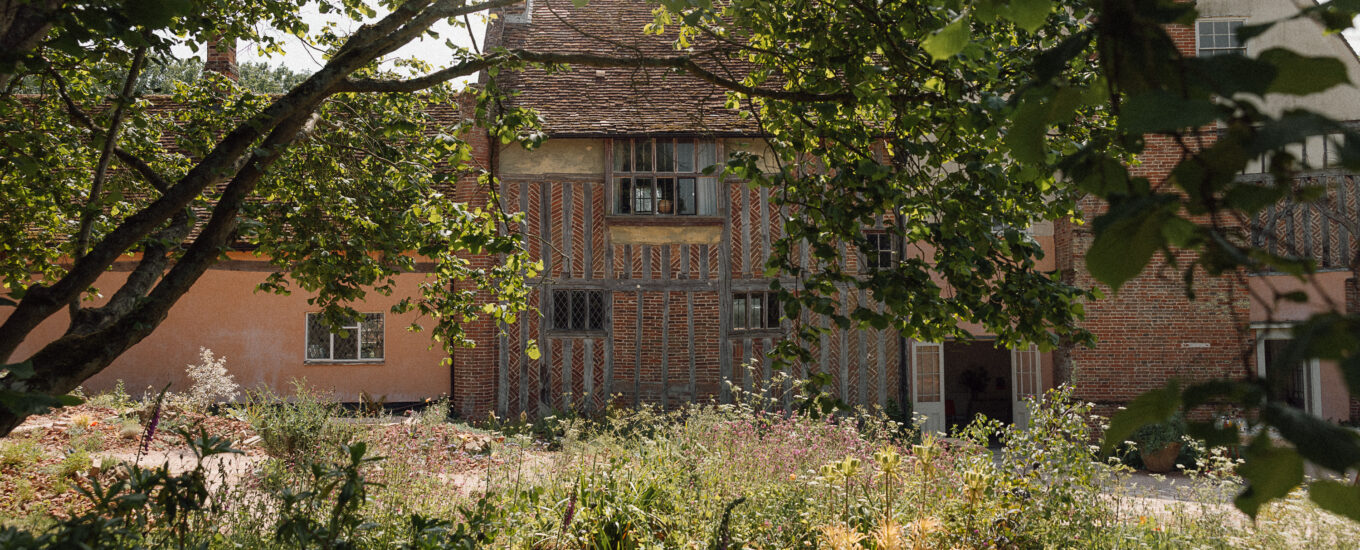
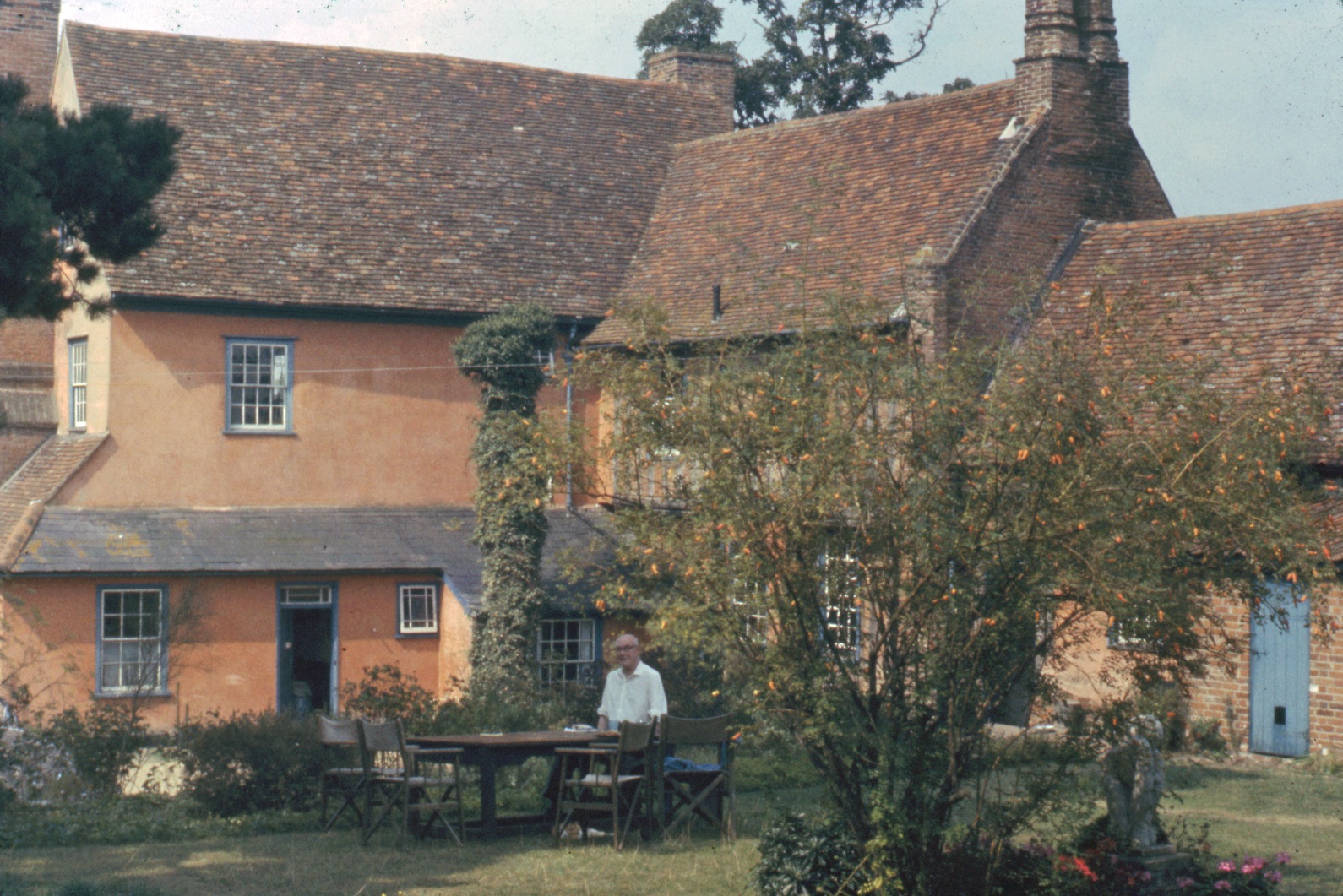
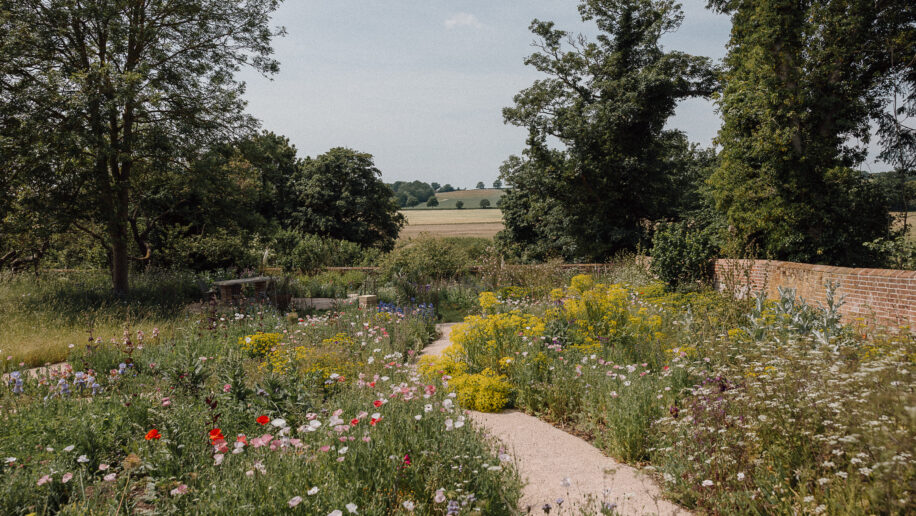
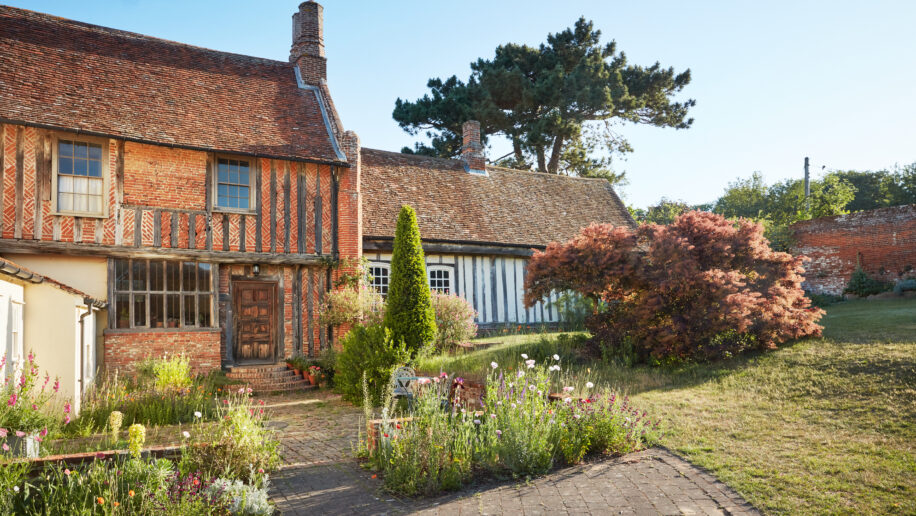
A letter sent from Andrew and Beth to Lett on 31 January 1956 detailed the extensive damage caused to the garden by a herd of cows who had got in at Benton End, and eaten large parts of it too. Cedric and Lett went away every winter, usually to the Mediterranean and a London hotel respectively – and so Andrew and Beth stepped in to help when the incident took place. They explained what the cows had done:
“Trampling over nearly all the grass…trampling of the gravel paths…pots in which were rare seeds trampled and destroyed…most of the vegetables grazed off.”
They described more serious damage as follows:
“In the walled garden many bulbs are deeply trodden in along the west border, and several rare Paeony and other herbaceous plant crowns are broken…the hellebores have been trampled and broken, as have some rare hybrid irises…the most serious damage as far as I can judge, in this part of the garden, is to the round bed under the Cercis tree, which contains very rare fritillance (sic), and under the tree just above, where equally rare Orchids have been trampled and grazed. It is impossible to know yet what will survive.”
The letter shows how integral Nigel (Scott, after whom the purple flowered iris ‘Benton Nigel’ is named) was to the garden – as Andrew and Beth refer to him and Cedric in parallel when suggesting further assessment of the damage.
Beth writes at the end of the letter, “Benton End is very empty without you. Come home soon and fill the kitchen with exciting smells and wicked laughter.”
Finding snippets like this reinforces the prevailing sense of Benton End, Cedric and Lett that we get from wonderful books like Benton End Remembered and the memories of students, friends and relatives who were linked to Benton End.
I am very much looking forward to returning to the archive soon, and hope to make more exciting discoveries.
Benton End Revived is being delivered thanks to The National Lottery Heritage Fund and National Lottery players.