Posted on 11 Jun 2026

Black Gardening in Britain

In the third instalment of a series on building a collection of Black garden history, Special Projects Officer Edward Adonteng shares his thoughts on becoming a de facto ambassador for the Garden Museum, and what museums can be.

A by-product of my time at the Museum has also meant that I spend a lot of time welcoming new audiences into the museum. I have had some exciting conversations with institutions such as the South London Botanical Institute, the National Trust, the Royal Maritime Museums, South London Gallery and the Museum of the Home, about the Garden Museum and its mission.

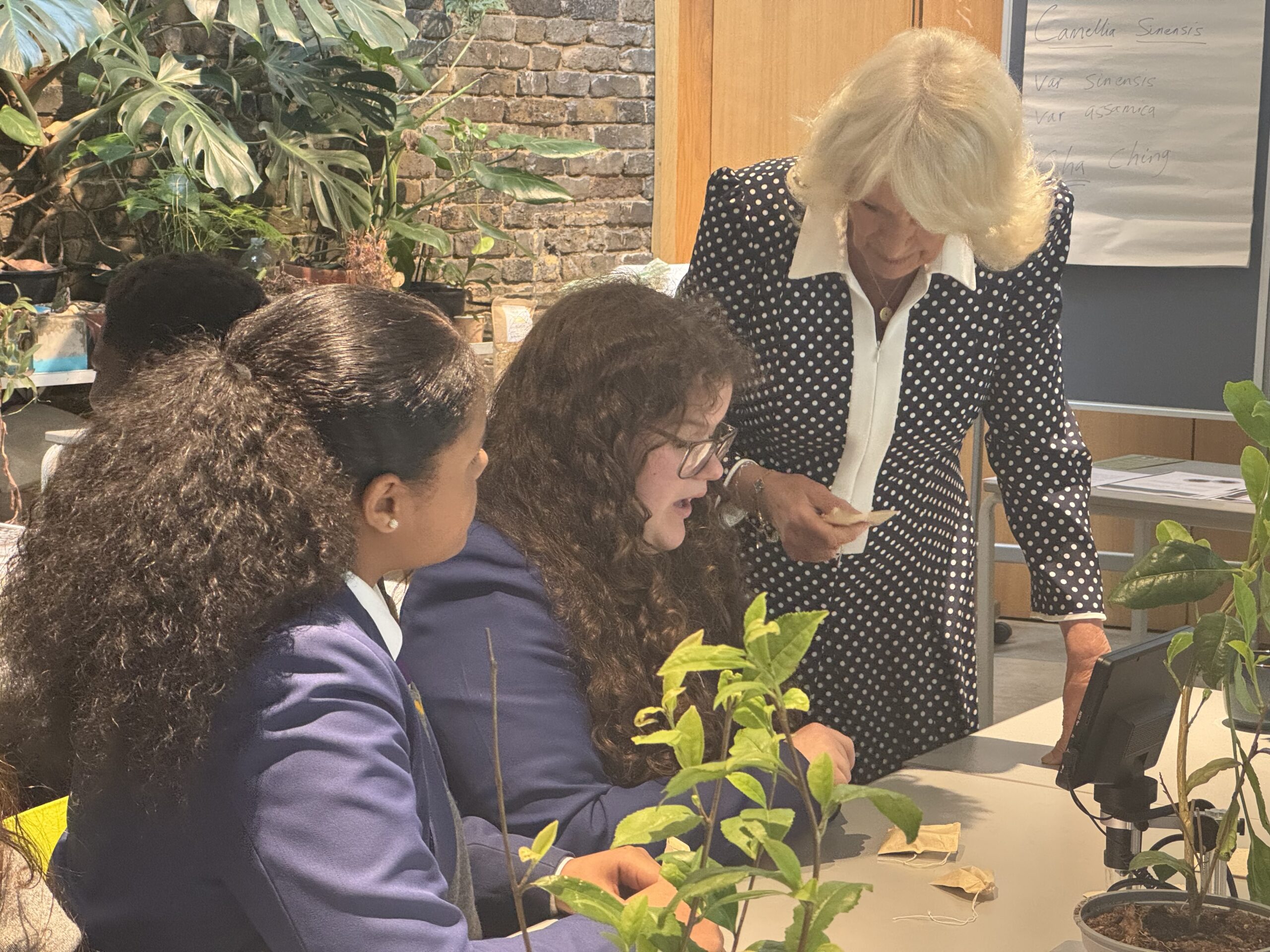
While working at a local secondary school, I had the opportunity to bring ten of my Year 9 pupils to meet Queen Camilla during a tea-making workshop led by Plant Science Educator Samia Qureshi. For most of my pupils, gardening isn’t something that they did – they might help their grandparents out in their own gardens, but knew nothing beyond what they were told to do. They were immediately sold on the idea of making their own tea bags and spent the days leading up to the workshop trying to solve the mystery of who the special guest was. They were very surprised to see that the special guest was the Queen. Something that will always stay with me is when a few of the boys engaged in secret trade talks with the Queen, exchanging their tea-making recipes.

Some of Edward's pupils talking to The Queen

On the way back to school, my pupils’ attitudes towards the green space around them had completely shifted. They were suddenly enthralled by the roses that had bloomed, the different shades of the bushes around them. The group departed at the school gates, pledging that they would start to take care of their own plants.

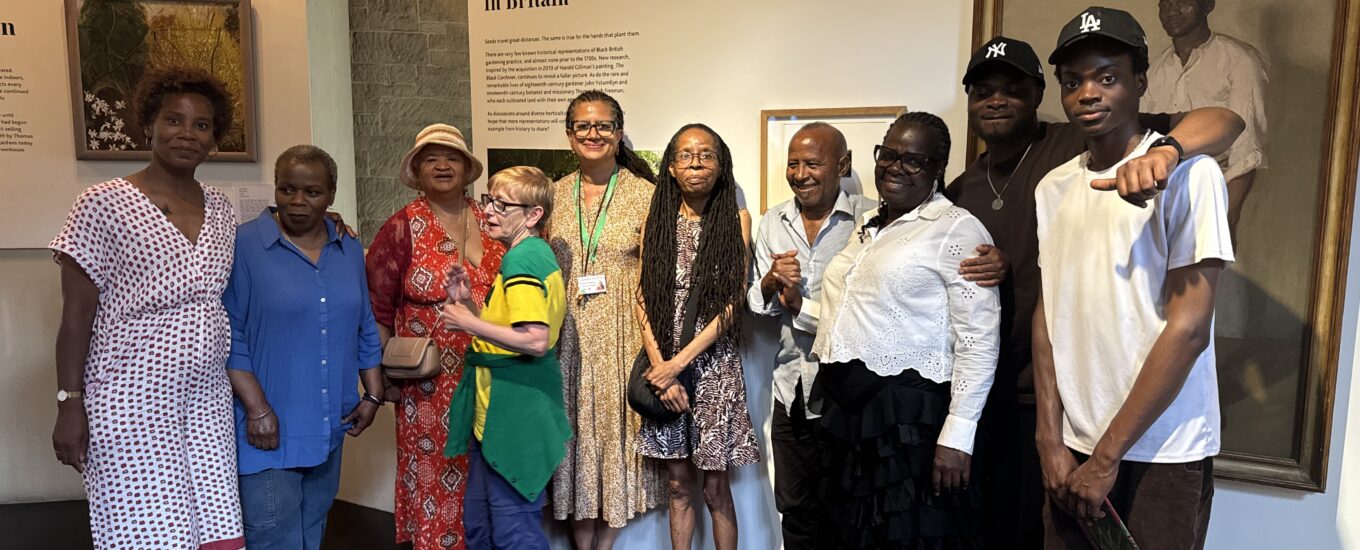
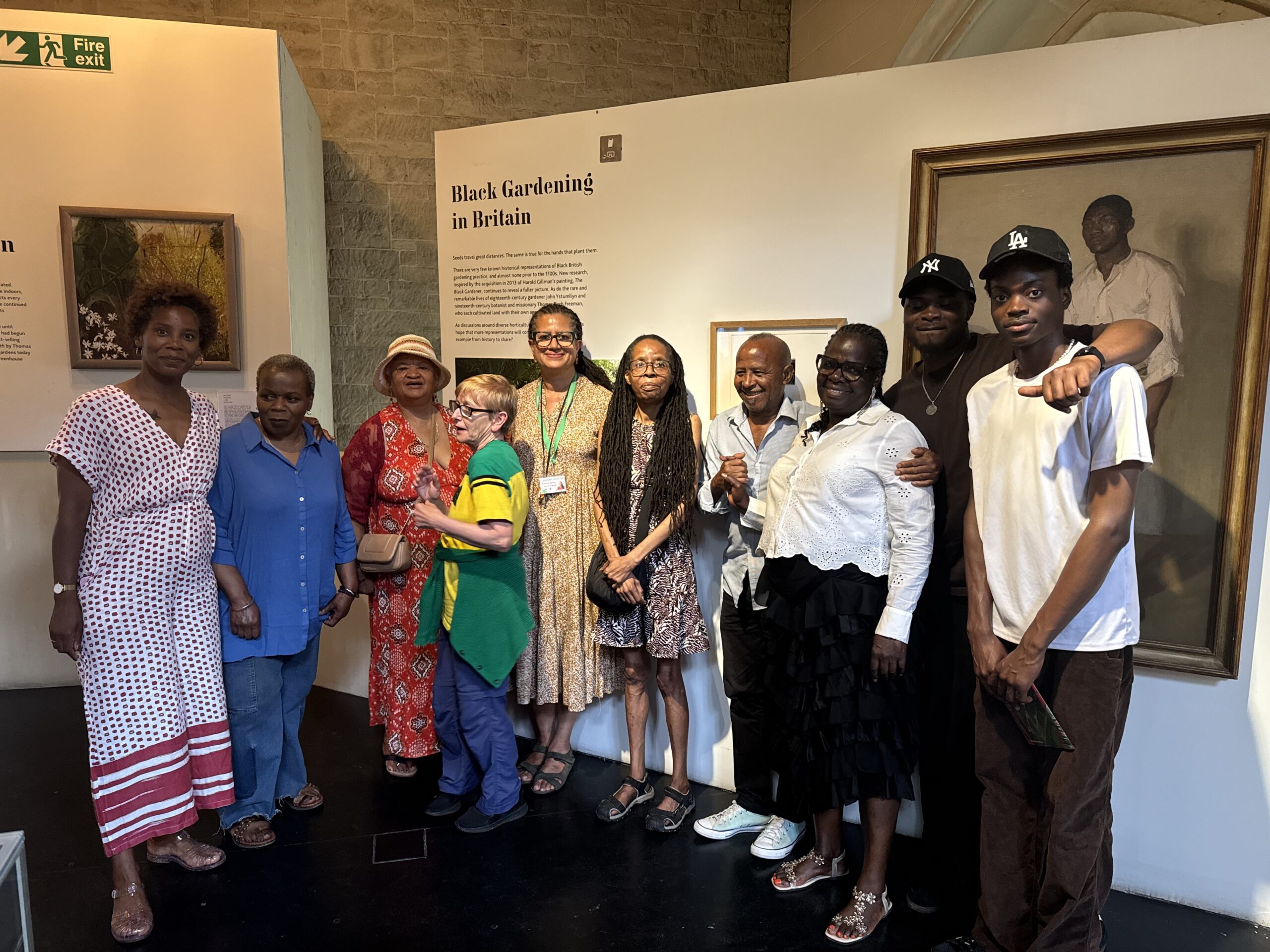
Sowing Roots marked the beginning of my gardening journey. In June, I had the honour of showing some of the Sowing Roots participants the display I had made. This would not have been possible without their contributions, and their responses were incredibly affirming.

Sowing Roots participants visiting the Black Gardening in Britain display at the Garden Museum

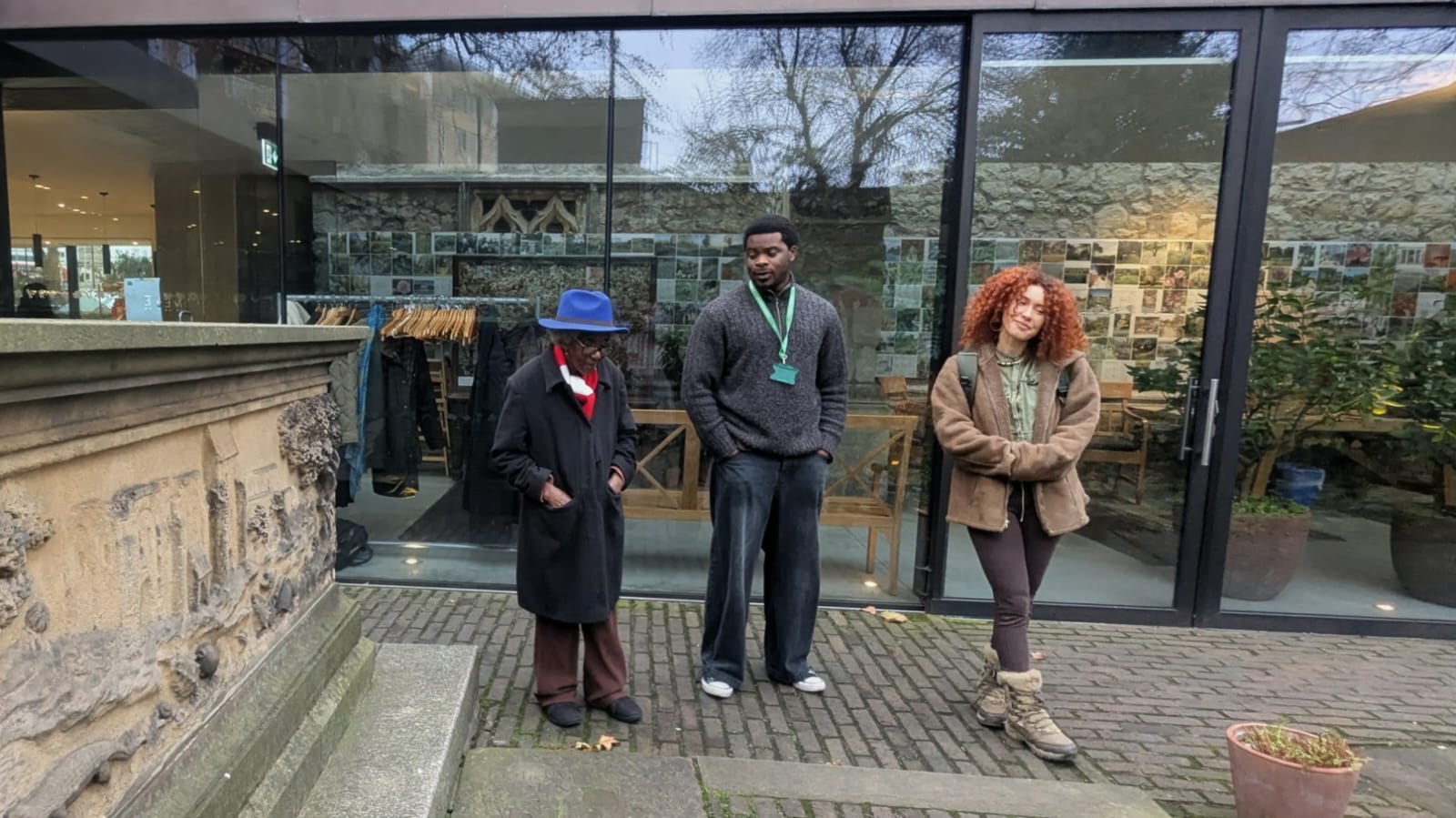
Before the end of the year, I also had the opportunity to show Auntie Selma around, a 92-year old gardener who continues to garden six days a week. She shared the story of her pumpkins. Aunt Selma was gifted a pack of pumpkin seeds more than 30 years ago, and today, pumpkins are still grown from that initial pack of seeds gifted to her. She was delighted to learn about the Museum (as she had never been) and to see my display.

Edward showing Auntie Selma around the Garden Museum

My view on Museums and what Museums can be

I am still ambivalent towards Museums. However, I am increasingly appreciative of the willingness of some to confront their institutional memories and move towards inclusive futures that seek to document and not diminish the experiences, contributions and memories of human beings. I truly believe that Museums, in an age that increasingly moves towards plagiarism, misinformation and the distortion of what makes us human, can be a space for forums of discussion, ideation and signposting.

For example, I hosted Urban Nostalgia Part I (in April) and II (in June). Through conversations that I have had with Garden Museum Director Christopher Woodward over the years about nostalgia, my line of enquiry was made very apparent in my poem, And what will my descendants say, about their ancestral homeland, the council estate?

Urban Nostalgia could be considered a successor to the first series of talks I did at the Garden Museum – A Discourse on Spaces. Nostalgia for the English countryside is common, but what of the English city? Where could we locate the accounts of the cattails or arrowheads that once sat beside the Pudding Mill River? Or the trees that populated the Clay Lane Estate and the Eastway Cycle Circuit—places that were lost in the development of the Olympic Park?

Part I was in the Nave, with Dr Alex Rhys-Taylor and Naz Hamdi presenting their responses to the term. Alex looked at nostalgia from the aspect of smell; Naz took us through her work as an archivist in East London, as well as the drastic change in the area following the Olympics. Part II saw reflections from Christopher Woodward, Dhelia Snoussi and Gabriel Dedji, exploring the etymology of the term and its validity today.

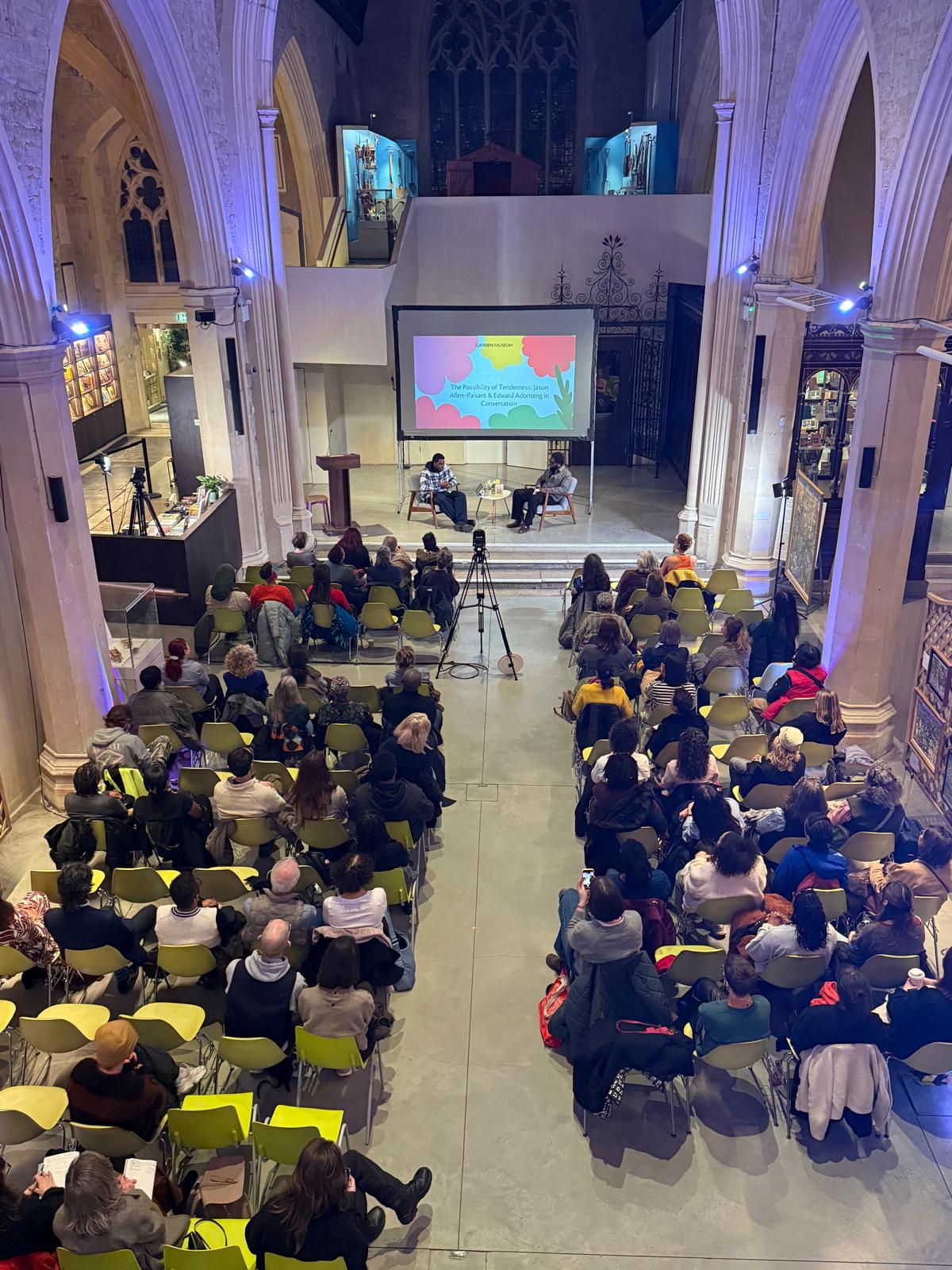
Edward in conversation with Jason Allen-Paisant

Both evenings were very poignant, leaving lasting impressions on their respective audiences. One piece of feedback that stood out to me came from an audience member who had flown in from Los Angeles that same day for Part II. She had spoken about how touched she was by the evening. She shared with me that her community was using the term solastalgia, which was new to me. Solastalgia is the distress, grief, or homesickness felt when your familiar environment undergoes severe negative change, like climate impacts such as deforestation, drought, or, in her case, fires. This audience member had lost her childhood home, church building, elementary school, and trees climbed and planted in the January 2025 fires in California. She said that our motives gave her hope.

From my own experiences, I appreciate the connecting power that Museums possess, and I would like to see this being utilised more. There is so much more I could say about this last year at the Garden Museum.

In many ways, I continue to reflect on it. This year, so far, I have been in conversation with Jason Allen-Paisant, a poet and academic, in celebration of the paperback release of his book, The Possibility of Tenderness. This evening was sold out and bought out. It was warming to see the reception and the impact that the book had on so many of the audience members.

I also presented a lecture on Kenyan poet, civil servant, gardener Khadambi Asalache and his home, 575 Wandsworth Road. I first came across Asalache during research into my Mr Pink talk in 2022. The legacy of 575 Wandsworth Road and Asalache’s vision of the home being a source of inspiration was very evident during the evening. The audience was a mixture of people already familiar with the house and people who were very new to the story. I felt a great sense of honour to be able to introduce the history of the house to new audiences and also teach returning audiences something new.

I am thoroughly grateful to the Garden Museum Team for the opportunity to work with them in a plethora of different ways. Being here, I take great pleasure in knowing that I have been able to challenge the space and change mindsets.