Donate

We need to raise £420,000 to purchase the painting for the Garden Museum collection

Donate to the campaign to help us save the earliest portrait of a Black gardener in Britain for the nation

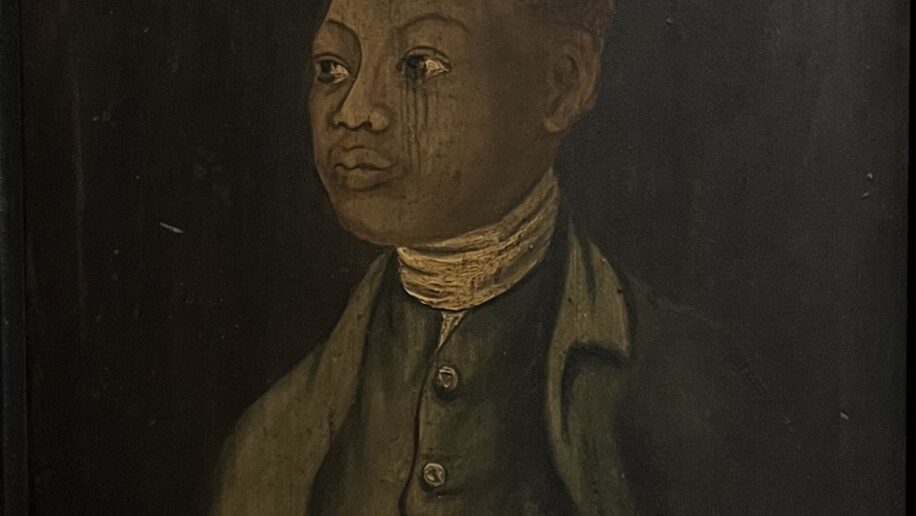
We have the opportunity to acquire a portrait of the gardener and plantsman John Ystumllyn (1736-1786/88) for the nation, and we need your support!

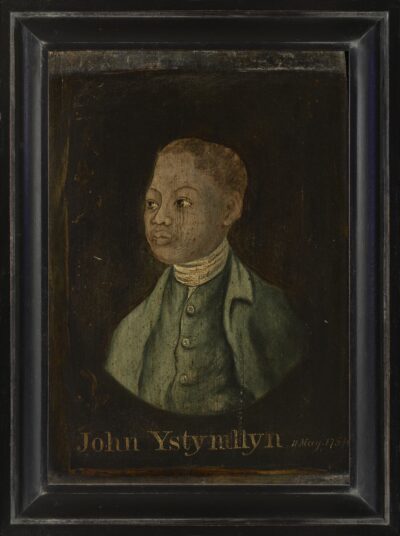
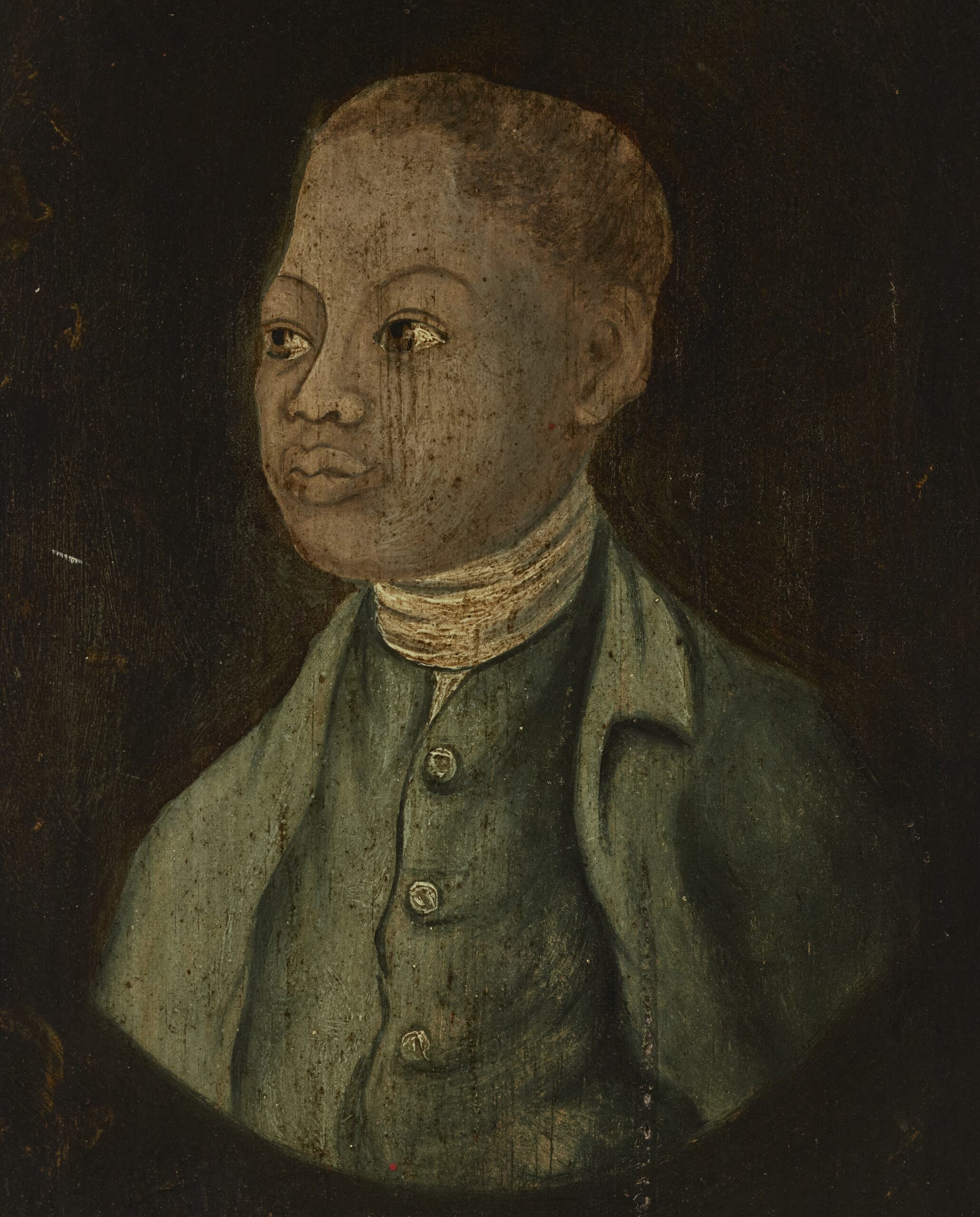
This painting is the earliest portrait of a Black gardener in British history.

One of the earliest recorded Black gardeners in Britain, John Ystumllyn was abducted from West Africa at just eight years old. He was brought to North Wales, where he worked on the Ystumllyn estate in Criccieth, and was renowned for his skills in gardening and horticulture. This portrait depicting John aged sixteen has been on loan to the Garden Museum since 2023, and we now have the opportunity to acquire it permanently for our collection, saving this rare record of Black British gardening history for the nation.

As the country’s only museum of garden history, here at the Garden Museum John Ystumllyn will sit alongside other stories of great gardeners through the centuries, and will become a key part of our display on Black gardening history.

Portrait of John Ystumllyn (1736-1786/88), photo by Prudence Cuming

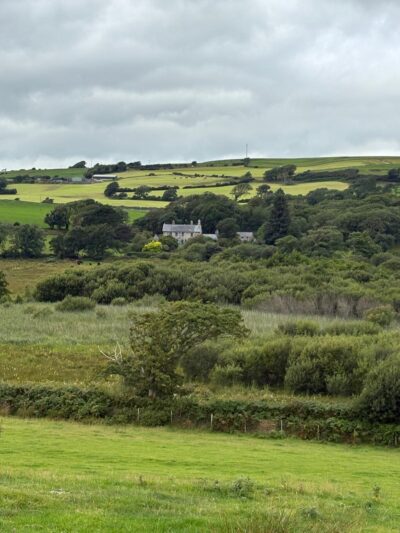
John Ystumllyn’s life in Wales

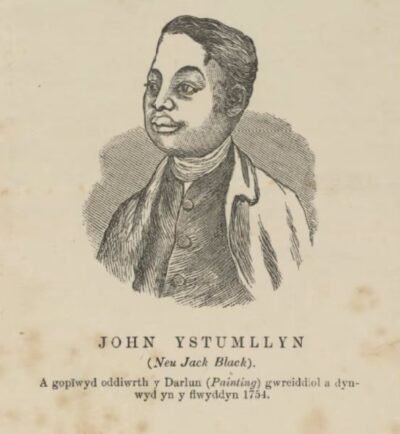
Most of what is known about John Ystumllyn comes from a pamphlet made by Robert Isaac Jones in 1888, whose grandfather knew John in his later years and recorded his story.

Upon his arrival in Wales, John would have been isolated, but immersed in green space, as he drew on both his ingenuity and resilience to build a livelihood and secure recognition for his talents in making and growing. He learned horticulture, which he did “more or less perfectly”.

Employed by the Wynn family, John would eventually get married to Margaret Gruffydd, who also worked on the Ystumllyn estate. Their wedding took place in Dolgellau in 1768, with his best man being Griffith Williams, Eisteuddfa, the son of the Vicar of Criccieth.

As John had run away from Ystumllyn to get married to Margaret, he lost his position. He lived and worked as a Land Steward in Ynysgain Fawr, with his wife, for a time. He would eventually get his position back at Ystumllyn and towards the end of his life, moved to a cottage known as Nanhyran, gifted to him in recognition of his long service. It is noted that he was serving a branch of the family when he passed away in 1786 after complications from jaundice. On his tombstone in Ynyscynhaearn, an englyn (a traditional Welsh poem) was written about him by the poet Dafydd Sion Siams, which speaks to the prominence of John’s life and efforts.

A record of a Black gardener in 18th century Britain

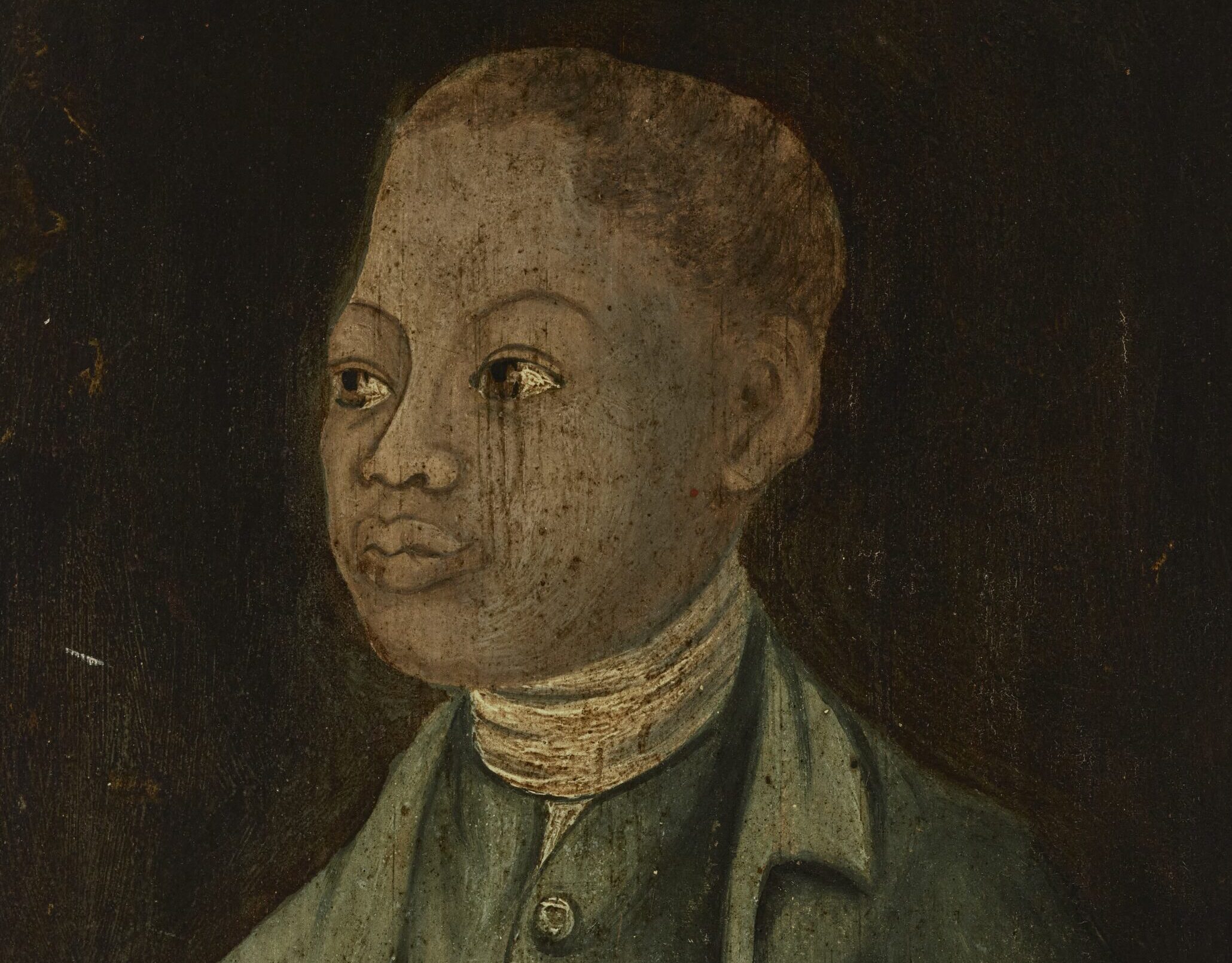
Where the lives of many Black individuals in 17th and 18th century Britain remain undocumented, this portrait shows John Ystumllyn, at the age of 16, when he was working in Wales as a gardener. Abducted by traders in West Africa at only eight years old, John was brought to Britain just a few years before his likeness was painted. The picture is a powerful record of Britain’s role in the transatlantic slave trade, and John’s story shows how this history reached into every part of 18th century British life, including gardening and horticulture.

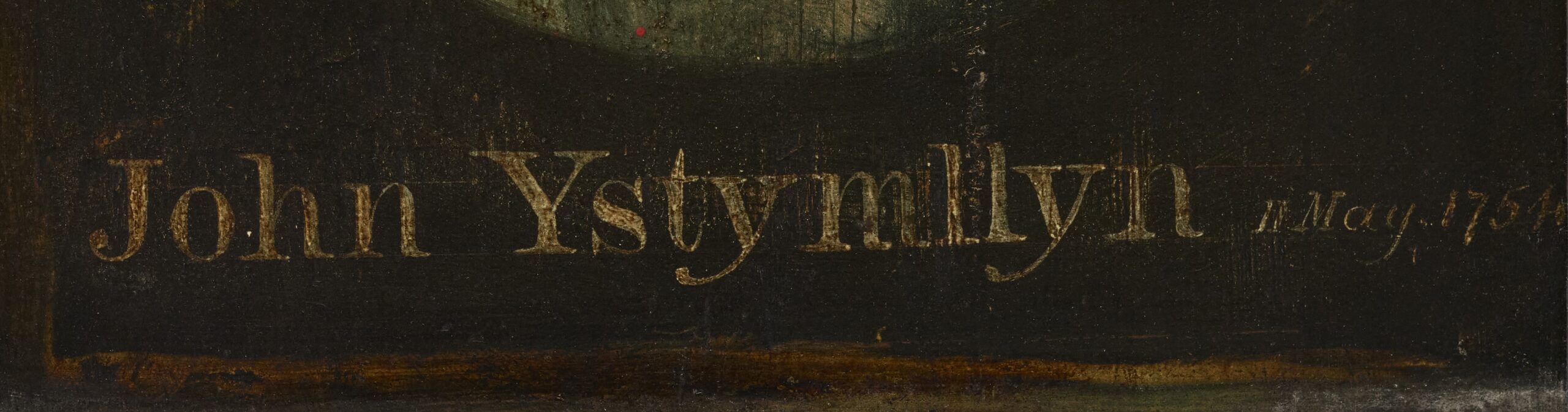
Detail, Portrait of John Ystumllyn (1736-1786/88), photo by Prudence Cuming

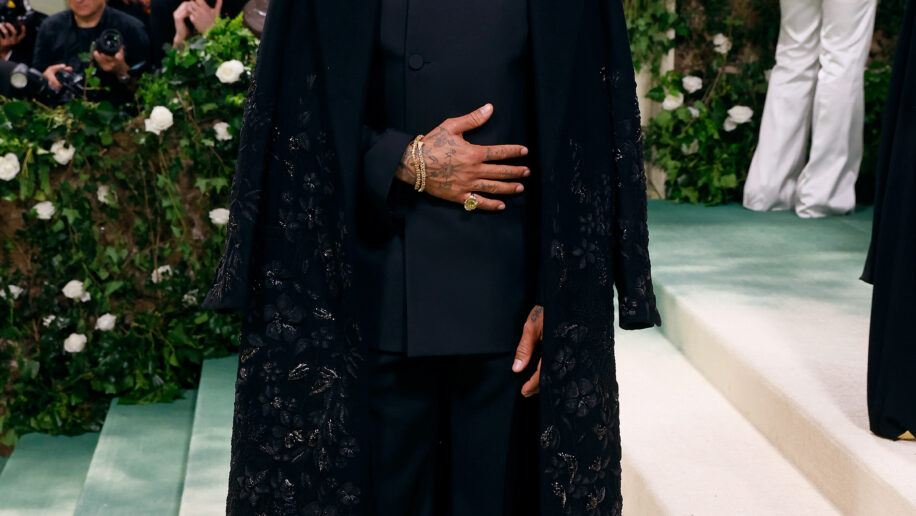
John’s story continues to inspire today. In 2022, Queen Elizabeth II planted a John Ystumllyn rose in the gardens at Buckingham Palace, a new variety named for the gardener following Zehra Zaidi’s campaign. And in 2024, Sir Lewis Hamilton wore a John Ystumllyn-inspired design by Burberry at the Met Gala in New York.

John Ystumllyn at the Garden Museum

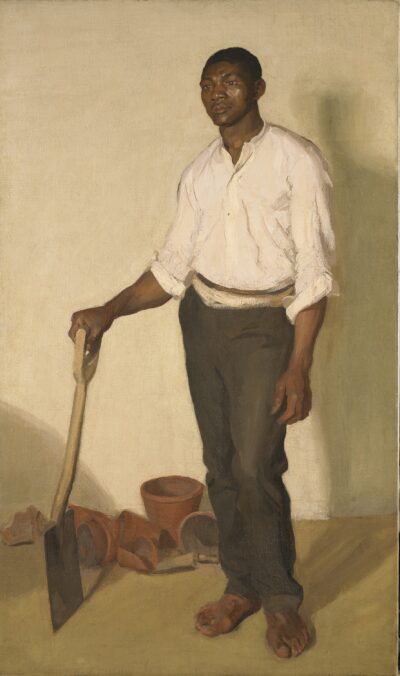
If we acquire the portrait it would hang beside Harold Gilman’s ‘Portrait of a Black Gardener’ of 1905, a second iconic image of Black gardening which we were lucky enough to buy at auction in 2013, as part of a wider display to tell the story of our diverse horticultural heritage and future.

If John Ystumllyn’s portrait joined the Garden Museum Collection – in the borough of Lambeth where 63% of residents describe their ethnicity as other than White British – the painting would be an inspiration to over 200 learning, community and school groups a year, from children of eight to teenagers considering a career in gardening.

The portrait presents a unique opportunity to connect with the Garden Museum’s audiences, inspiring the next generation of horticulturalists. There is still much more to learn through this painting about the relationship between gardens, botany, enslavement and the Black presence in Britain.

Christopher Woodward, Garden Museum Director, says: “The Garden Museum celebrates the heroes and heroines of British gardening: John Tradescant and Gertude Jekyll, Humphry Repton and Russell Page, Beth Chatto and Joy Larkcom. John Ystumllyn should also be one of our heroes, and it would be a privilege to share his story, which began when he was taken from his family in west Africa and is captured in this tiny, precious portrait. We will all learn from John.”

Edward Adonteng, Special Projects Officer, says: “Being able to make the Garden Museum a permanent home for John and his story is incredible. It is so important to me that people learn about John and his life and I believe that with the portrait here, more parts of the story will emerge. Who knows what else might be unearthed?”
How you can support

We are mounting an emergency campaign to raise £420,000 to rescue John’s portrait for the nation. We have been invited to apply for grant funding from the National Lottery Heritage Fund, Art Fund, and ACE/V&A Purchase Grant Fund, but we need your help to get us over the finish line.

Every gift will get us closer to saving the earliest portrait of a Black gardener for the nation.*

Donate

* If we do not reach our fundraising target, all donations will be returned.

If you would like to discuss your gift or pay another way, please contact Kitty Cooke, Individual Giving Manager: kitty@gardenmuseum.org.uk.