Posted on 14 Aug 2026

Gardens

Thomas Rutter

Gardening is all about decision-making and judgement. Perhaps not in the same way as some professions – we aren’t traders or assessing someone for illness. But gardeners make decisions constantly: what to prune, what to encourage, which plants stay and which must go. What one person considers a flower, another considers a weed. What we prize and cosset and swaddle, and what we pull from the ground before it has had much chance to do anything at all.

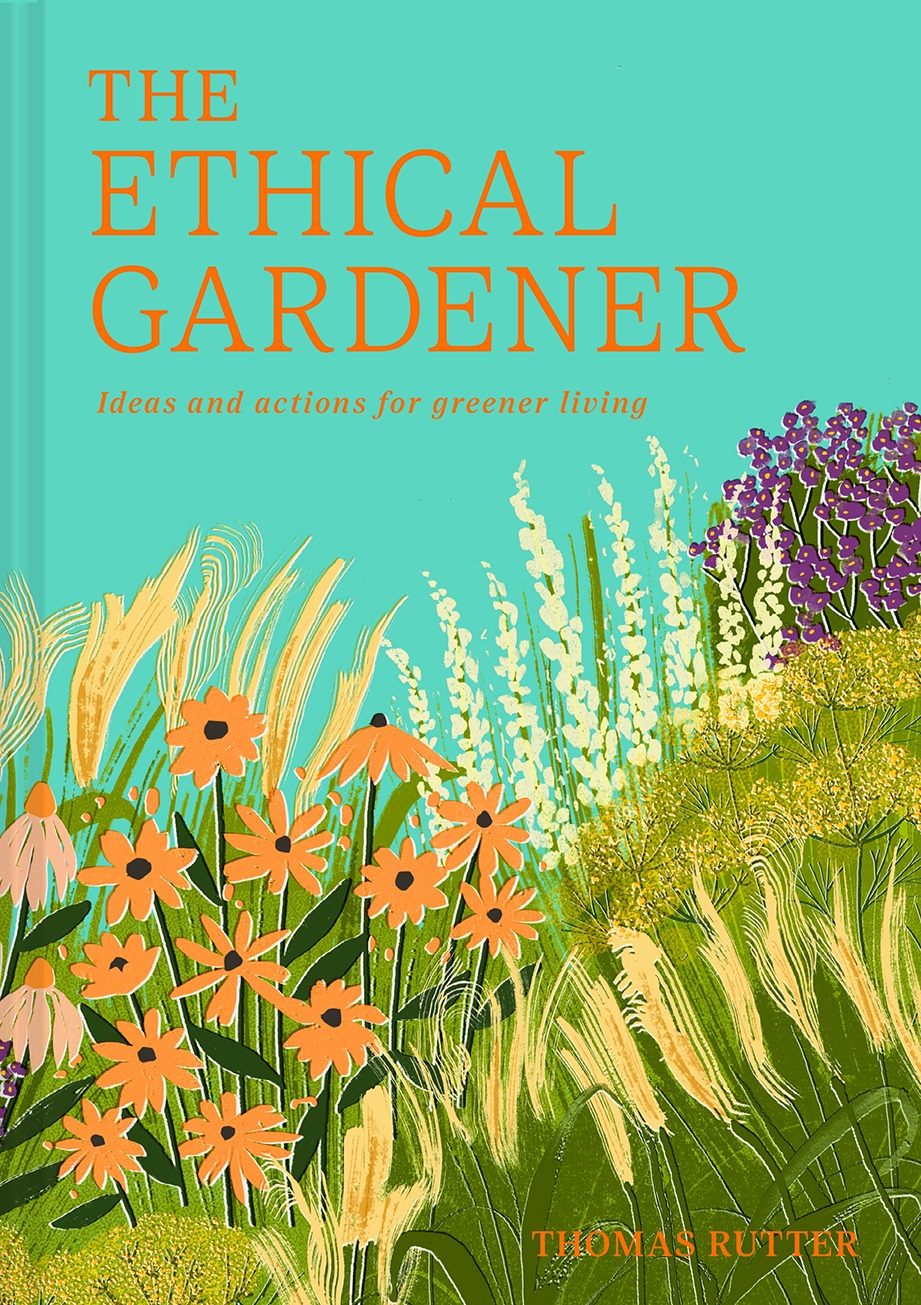
While writing my new book, The Ethical Gardener, I began to think more about these decisions. Who decides what belongs? And what might happen if, occasionally, we resisted that first impulse to pull, spray, cut or control? In the last decade, the conversation has pivoted, certainly. We are more aware than ever, I think, of the value of making space and sharing our gardens with the life that finds its way into them.

One conversation from the book on this very topic comes to mind. Rose Bear Don’t Walk is an Indigenous ethnobotanist who grew up on the Flathead Indian Reservation in Montana and identifies as both Salish and Crow. Her work explores the relationship between people, plants and the land.

‘In Salish cosmology, there is no hierarchy between living things – we are all equals,’ Rose told me. ‘Growing up, we were taught to understand and respect the land.’

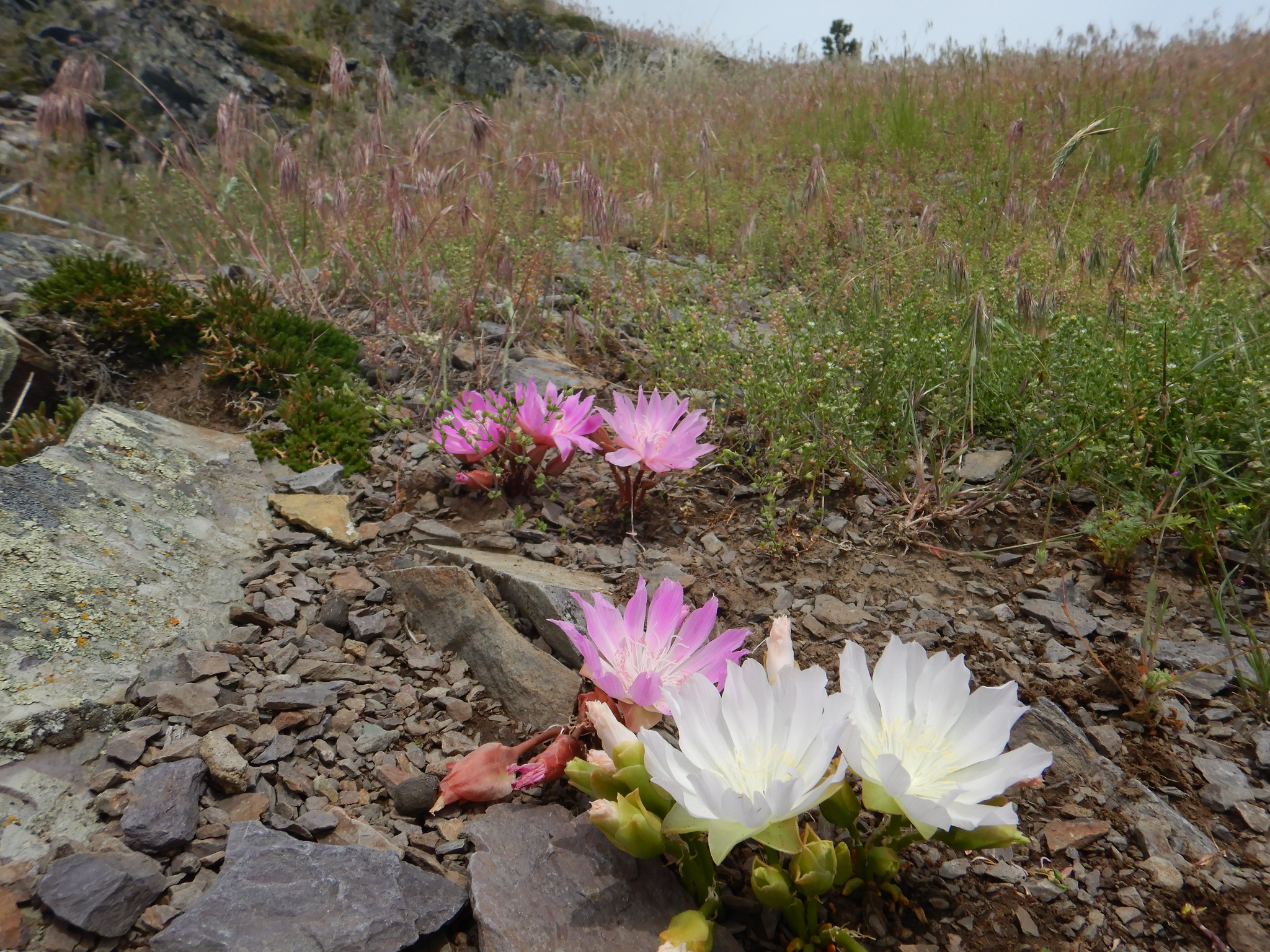
Rose told me the story of the bitterroot, or sp̓éƛ̓m (Lewisia rediviva), an unassuming little succulent with an extraordinary history. Salish tradition tells of a period of famine, when a woman went to the river and cried for her starving family. A red-winged blackbird appeared and told her that a plant would grow: its roots the colour of her silver tears, its flowers the colour of the bird’s wings. The bitterroot became a source of food, and women have remained its caretakers. Each year, Rose explained, a young woman is chosen to dig the first plant of the harvest.

A tiny plant, then, but also food, history, memory and survival. How easy it would be to walk straight past it, or think of it as a ‘weed’.
Bitterroot (Lewisia rediviva) in Montant, photo Matt Lavin, Creative Commons

Rose also told me that ‘the Salish people don’t have a word for weeds in quite the West does’. Instead, plants are understood through their qualities. ‘Every plant has a use, a value, but you can only understand that when you have an intimate relationship with the land.’

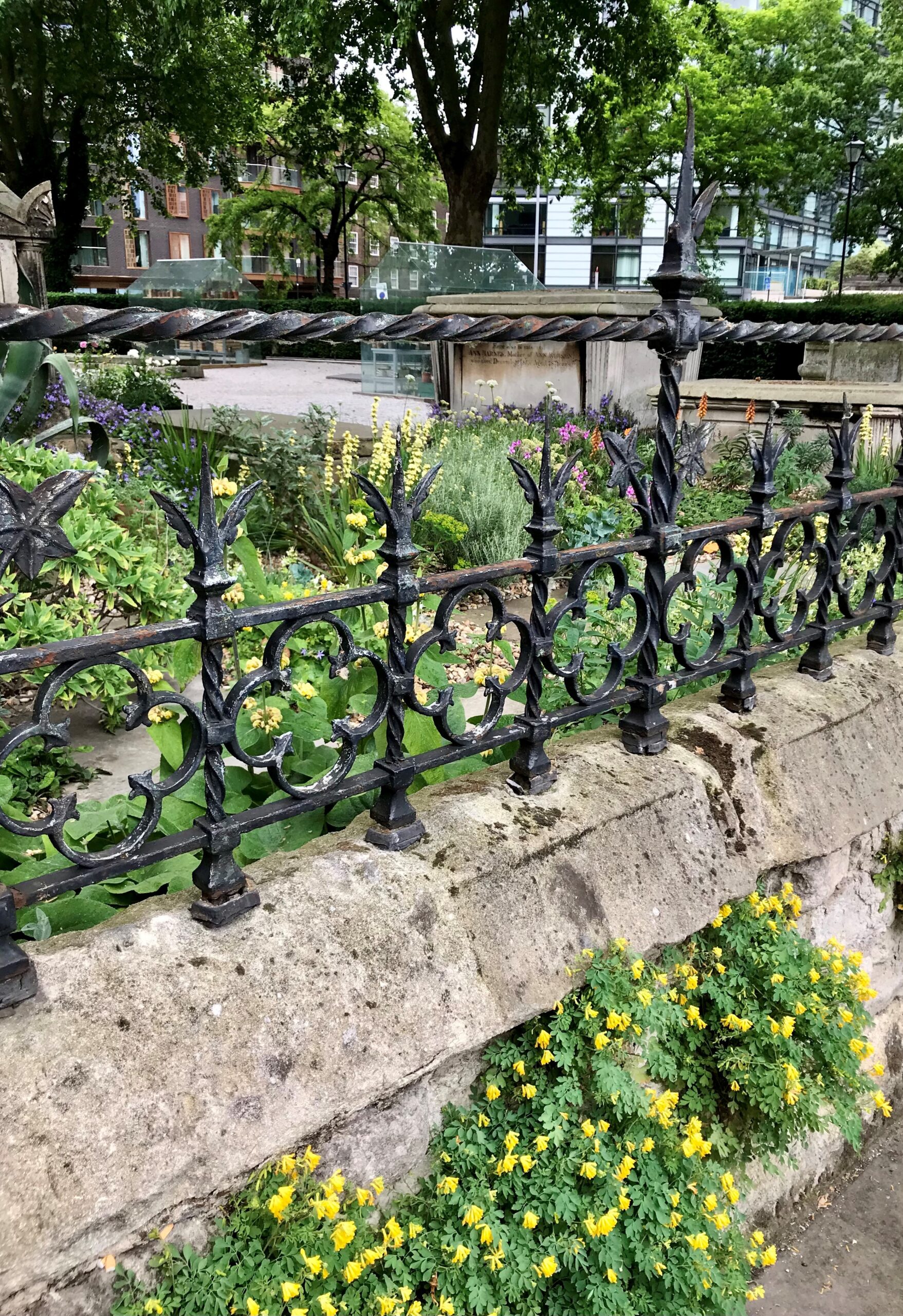
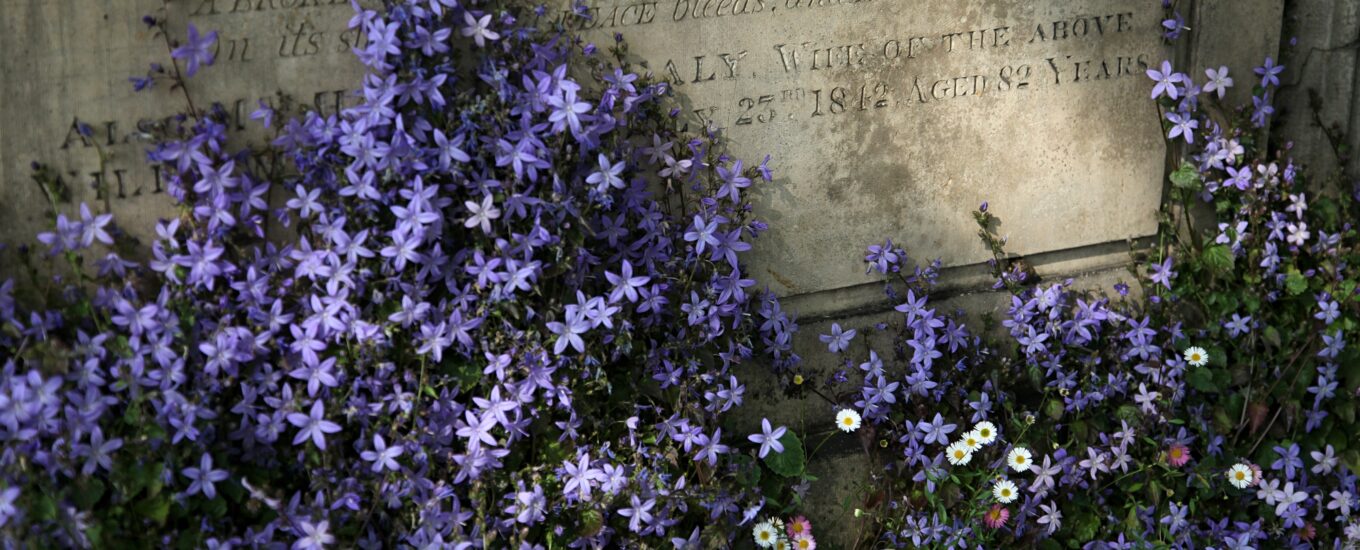
I think about this when I see purple campanula or yellow corydalis growing from old walls. The latter is a regular feature at the Garden Museum, of course, where it has found its way into crevices in the old stonework beside the Thames, growing happily alongside spurges and whatever else has managed to lodge itself there. One gardener might spend an afternoon painstakingly removing them; another might spend good money at a nursery trying to recreate precisely that slightly timeworn look. It comes down to what we value.

The dandelion – that great adversary of gardeners and immaculate lawns – can be looked at in much the same way. Not simply as something troublesome, but as a plant with characteristics worth noticing: its flowers, its edible leaves, those extraordinary seeds carried away on the wind.

Corydalis lutea growing at the Garden Museum, photo Matt Collins

I am not suggesting everyone needs to stop weeding, of course. But perhaps when you spot a dandelion in the lawn, corydalis in a crevice or lodged improbably in an old wall, hesitate before removing it. Is it actually causing a problem?

That, really, is at the heart of The Ethical Gardener. It isn’t a manifesto for the morally perfect garden – what a miserable prospect that would be – but an invitation to look differently at whatever patch of earth we happen to tend. To share it a little. To interfere less, perhaps. To remember that plants have histories and relationships quite apart from us, even the very small ones we might otherwise walk past, or rip up without a second thought.

Former Garden Museum horticultural trainee, Thomas Rutter, is the author of The Ethical Gardener: Ideas and Actions for Greener Living, published by HarperCollins and out now.