Posted on 25 Aug 2026

Gardens

Inspired by the success of their former pupil, Chelsea Gold Winner Hugo Bugg, The Woodroffe School in Lyme Regis, Dorset, has begun transforming its grounds with a series of botanical garden areas. Parent and Project Lead Sam Knights reflects on the project so far, from climate-informed planting to community involvement.

The aims of the Botanical Garden Project include improving biodiversity, adaptation and mitigation in a changing climate. It also strives to enhance the physical and mental wellbeing of children and the school community, and to create learning and educational opportunities.

“Spending time outdoors has an incredible impact on our students’ wellbeing,” says Assistant Head of Inclusion, Mike Harding. “The botanical garden areas will be calming restorative spaces where pupils can reflect, connect with nature, and feel a sense of pride in the school environment. It will become a living classroom that supports mindfulness, resilience, and joy in learning.”

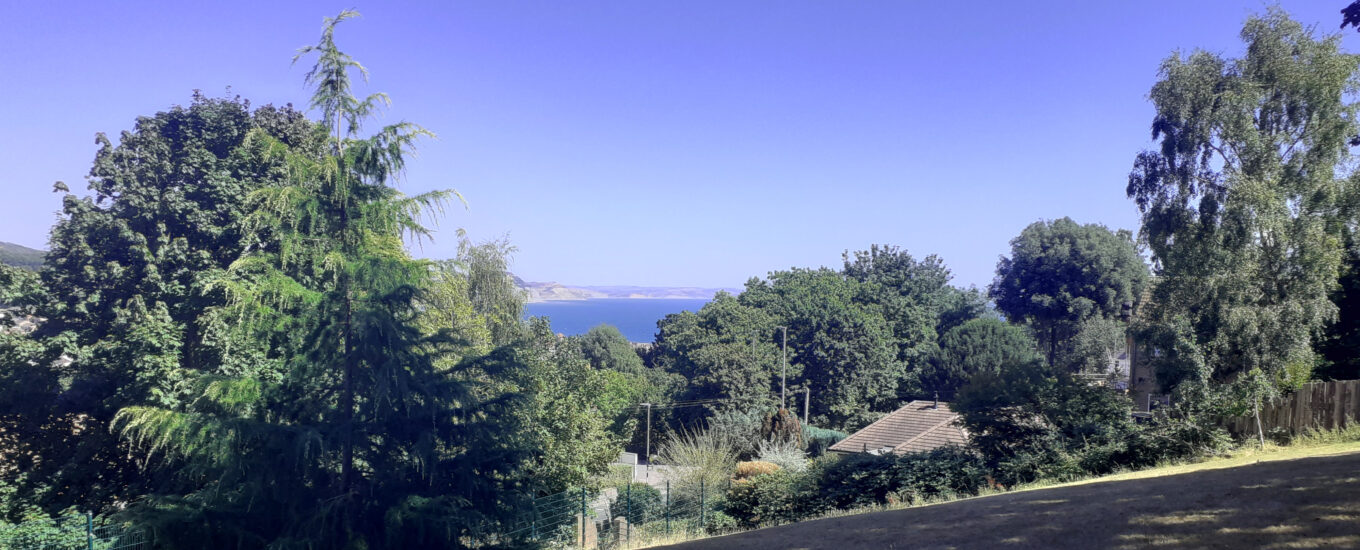
The school grounds occupy a magnificent position on a hillside overlooking the Jurassic Coast, a UNESCO World Heritage Site. The area has a micro-climate (making it mild in the summer and wet in the winter) and is an ideal location for growing a wide variety of species. However, with the summers becoming increasingly dry, plants must be carefully selected. It has also been important to factor in low maintenance to be sustainable in the long term. As with many schools funding is tight, and so the grounds inevitably have to find their own sources of support and fundraising.

Work began in earnest last October, with the pro bono assistance from construction firm Tilbury Douglas, who carried out an environmental survey and prepared areas for planting. At the same time, funding was secured from Devon Council Landscape Fund for a topographical survey of each of the planned areas.

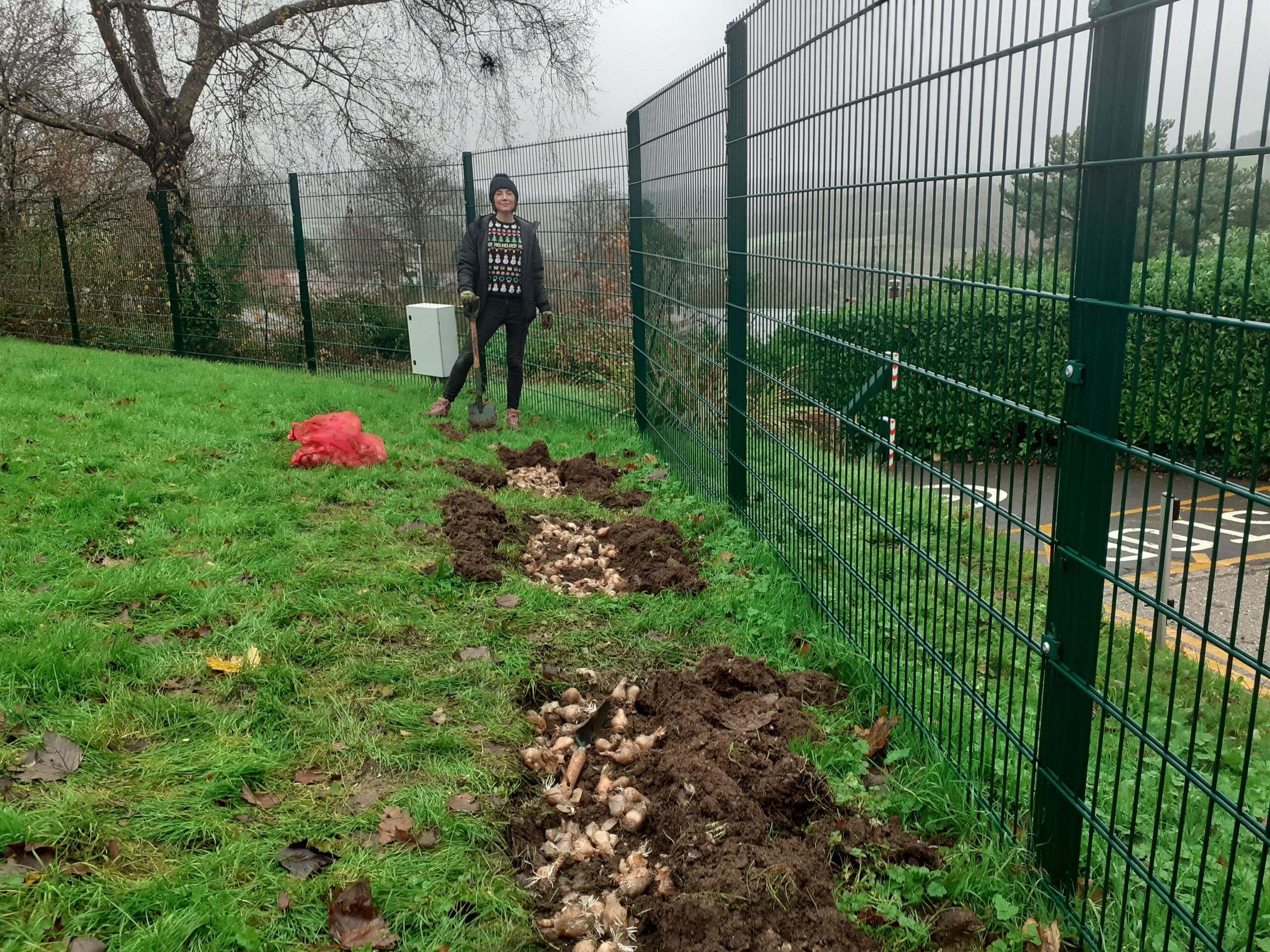
The first wave was a mass spring bulb plant-up in November, including daffodils, crocuses, tulips, snowdrops and fritillaries. Clare Matheson of Little Green Change and Sam led a team of parents and pupils who put in over 1,200 bulbs – one for each pupil, staff and worker.

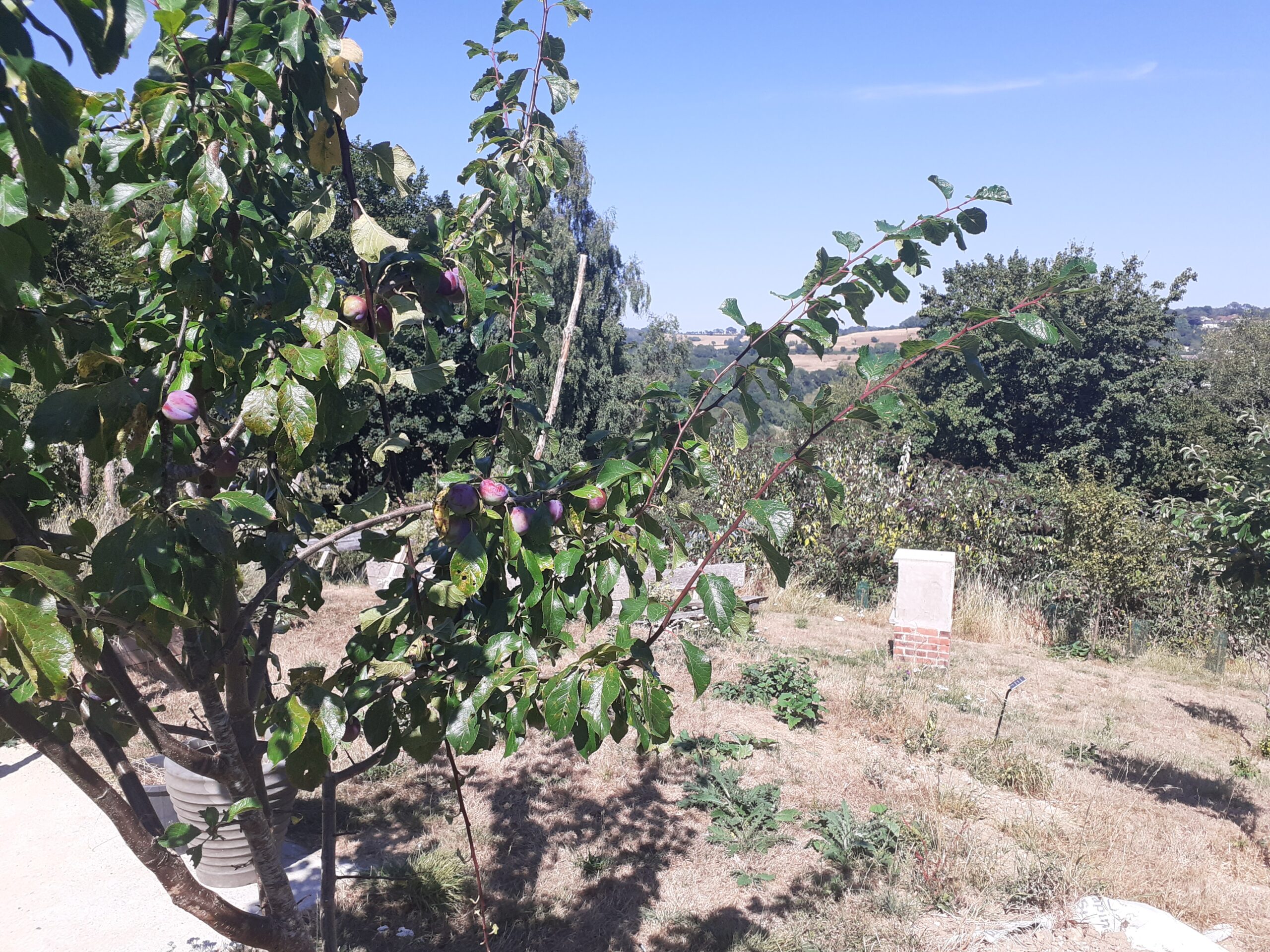
This was followed by the planting of an orchard and areas of native tree and shrubs by Tony Benger Landscaping. Fruit trees include apples, pears, plum, green gage and mulberry, and a diverse range of shrubs and other trees including rowan, hazel, hawthorn, sea buckthorn, holly, spindle, viburnum and cornus and amelanchier. This was funded in part by the Dorset Community Tree Fund.

Termly Grounds Days have helped prepare, maintain and plant the area. These are open to parents, pupils, staff and the community. “It has been excellent to see people coming to together and collaborating – making new friends while working outdoors and doing something creative and purposeful,” says Nell Robertson, Co-Chair of the PTFA, which has been leading and fundraising for the project on behalf of the school.

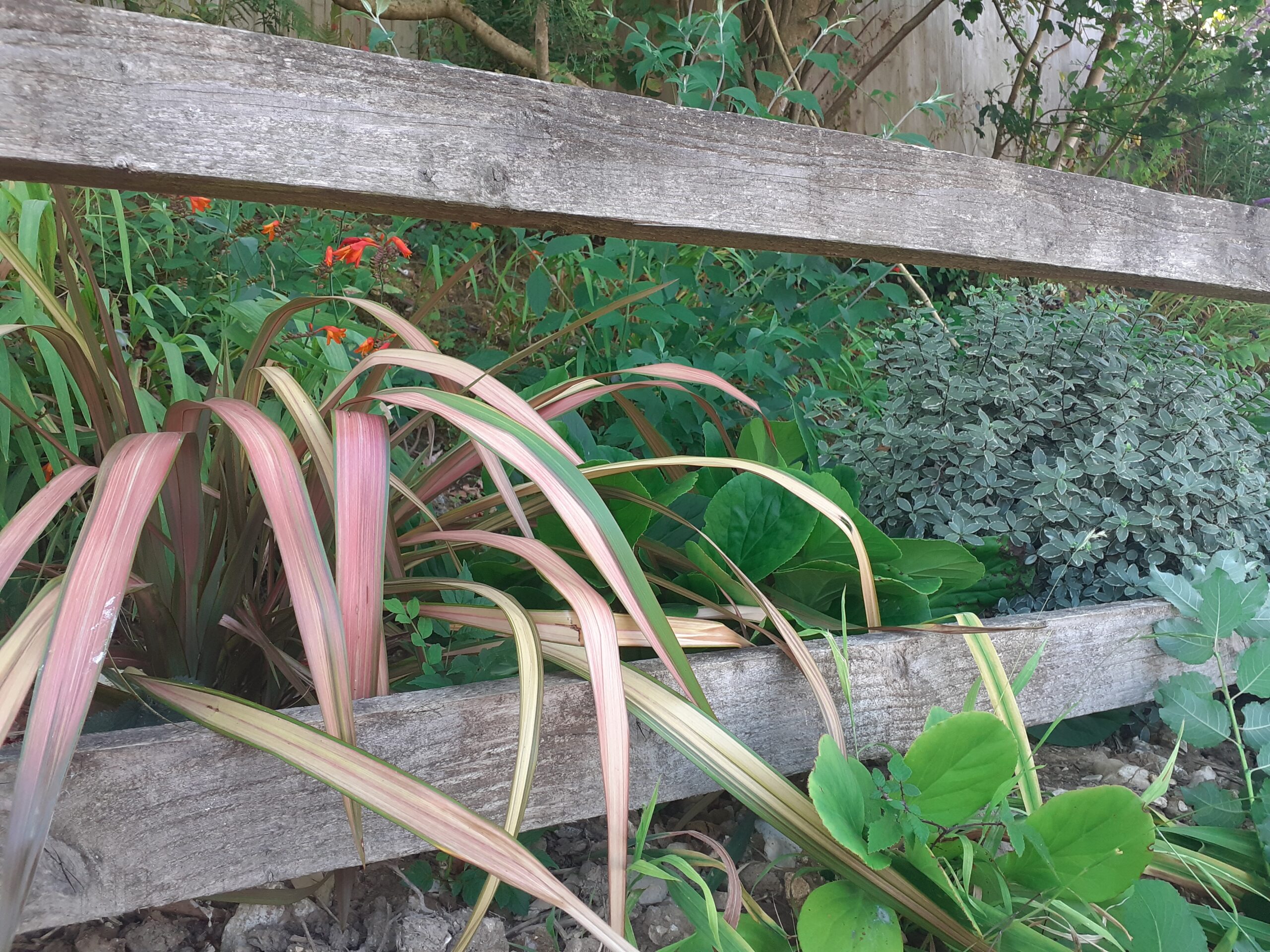
After six months of working in the swirling rain and mists, the South West has seen a period of extended dry weather. This coincided with a group of volunteers who struck hard and stony earth over the Easter holidays to create a drought tolerant garden long bed at the front of the school designed by parent and landscape designer Anna Wardrop. Phormium, pittosporum, stipa and photinia were dug in under a scorching Easter sun, creating a display of year-round colour along the bus bay. Funding for this part of the project came in part from the Devon Council Landscape Fund.

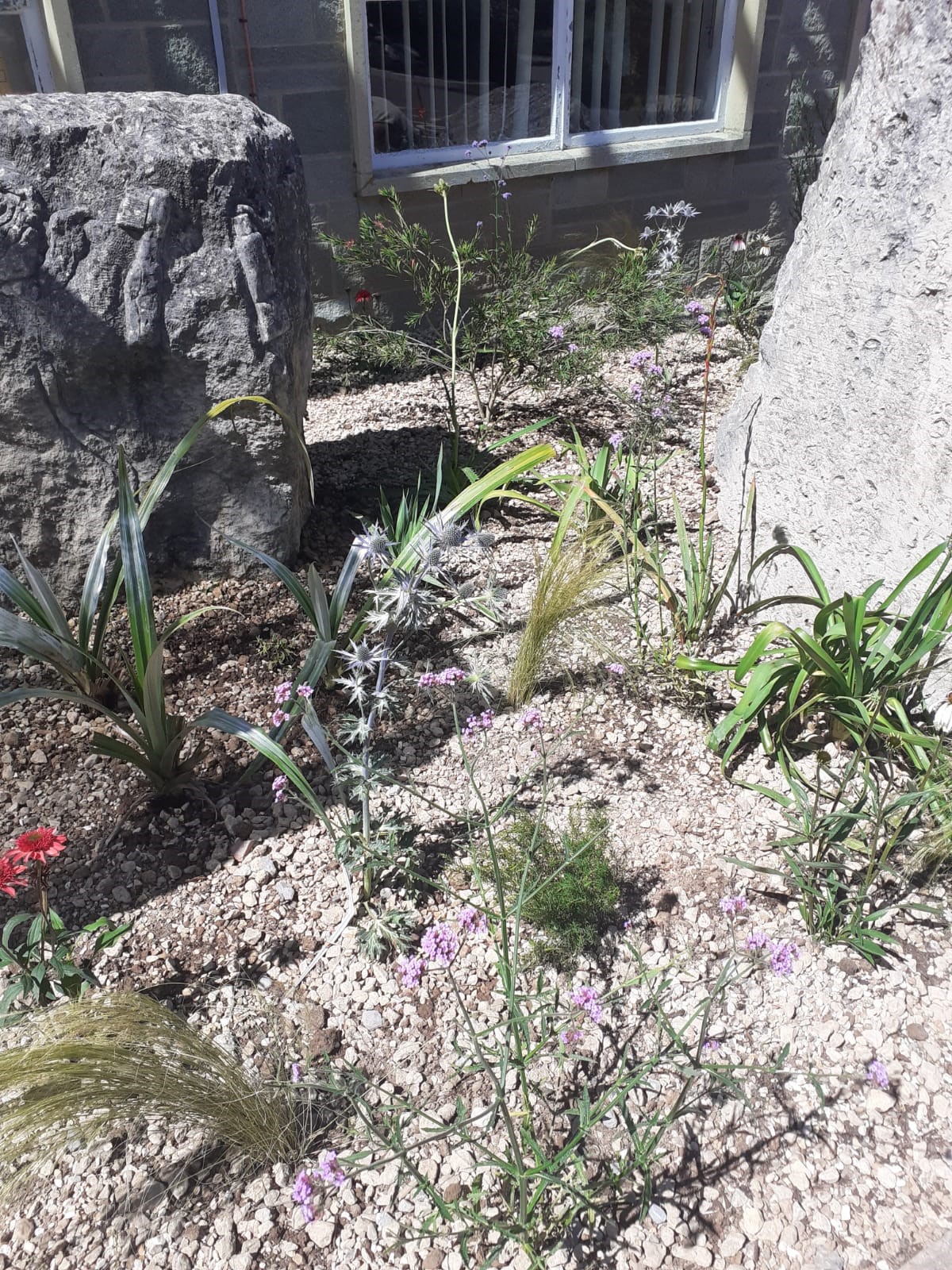
Most recently (and timely, given the period of extreme heat with no rain) a dry gravel garden was planted designed by Zoe Roberts, a Kew-trained horticulturist at Abbotsbury Subtropical Gardens, with support from the OVO Foundation Nature Grant. Plants here include eryngium, echinacea, salvia, rosemary, stipa, verbena bonariensis. This garden has been sited around three large blocks of Portland stone with carvings by former students. Once established, the area should be able to sustain prolonged periods of dry weather.

The project has been welcomed by students, staff and parents alike. “The Botanical Garden Project is a truly transformative initiative for our school. It’s about more than creating a beautiful green space – it’s about nurturing wellbeing, inspiring learning, and connecting our students with the natural world. The incredible support we’ve already received from our community and partners shows what we can achieve when we work together,” says Headteacher Dan Watts.

Step by step we have secured grants from a variety of sources, as well as an enormous amount of in-kind support from individuals, local organisations and firms. In combination this has allowed us to develop the project in stages and witness various areas of the grounds sprout and spring into life.

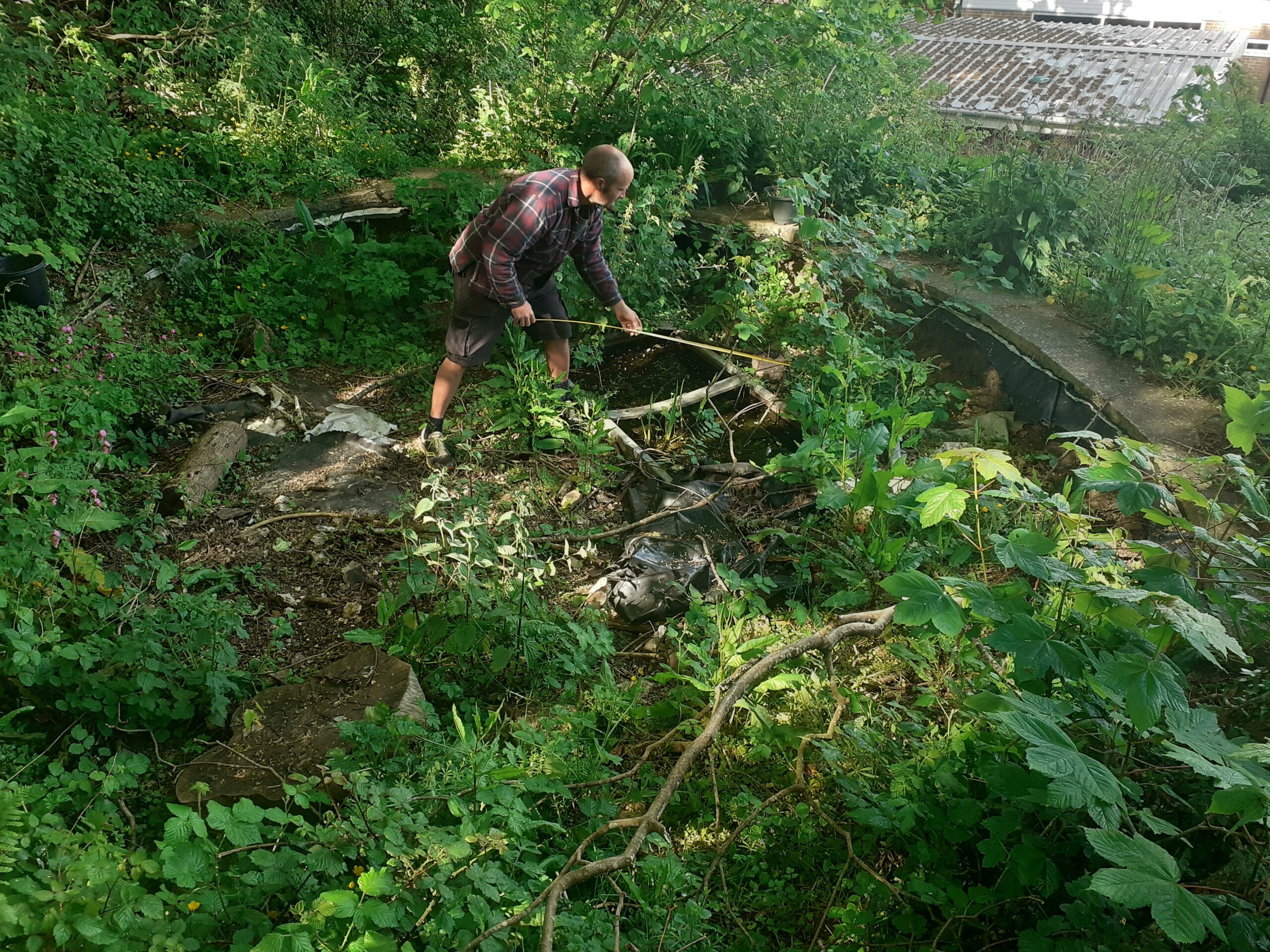
Plans are now afoot for the top part of the grounds, which will become a permaculture garden with a winding path. The school pond has been drained for at least three decades, but thanks to the generous support of Jurassic Pond Solutions (a local firm specialising in creating native wildlife ponds) it will be restored this winter, bringing a range of amphibians and providing a source of natural water for existing wildlife.

The garden has already been recognised by local organisations. Dorset Wildlife Trust recently awarded the school a wildlife-friendly ‘Space Award’ earlier this year. There are also future plans for greater community involvement in planting, botanical art workshops, propagation classes and tours. A series of accompanying events has brought the project directly to the community: ex-Woodroffe pupil and award-winning garden designers Hugo Bugg gave a talk at the school, and BBC gardener and presenter Anne Swithinbank hosted ‘A Great Green Quiz’ earlier this year.

The project will evolve over iterations of pupils, parents and the community. This is a lifelong opportunity to create and enhance and restore nature and wildlife.

More information of the project – including how to support – can be found here.