Photo Gallery
20 Oct 2026, 6:30pm - 7:30pm
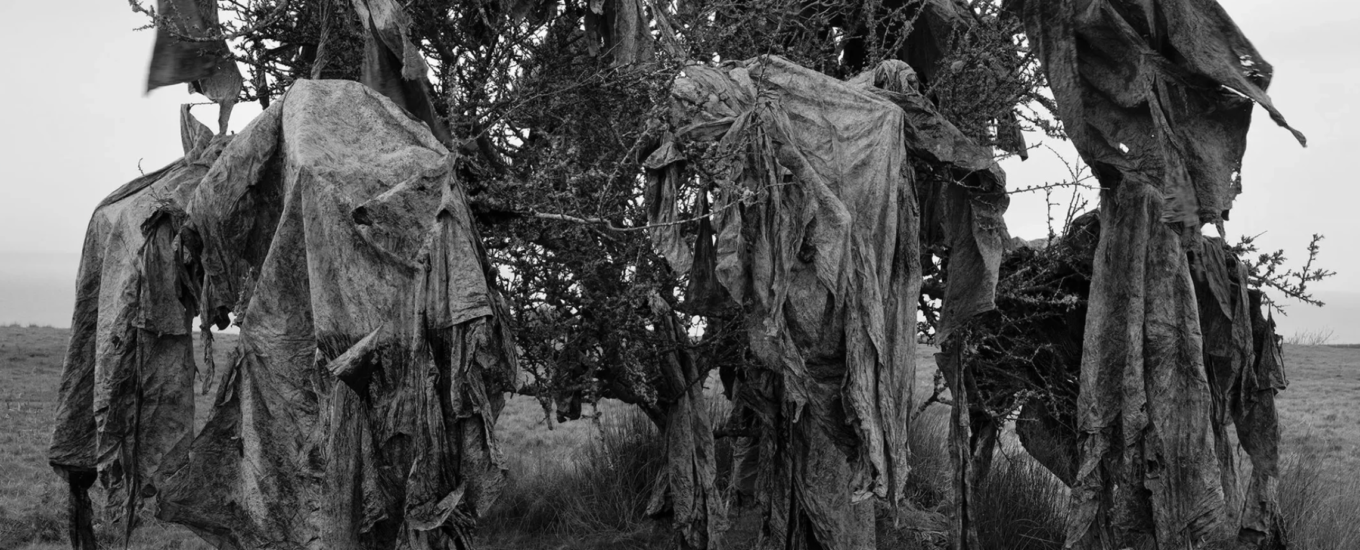
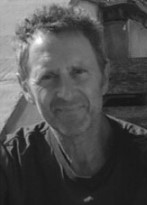
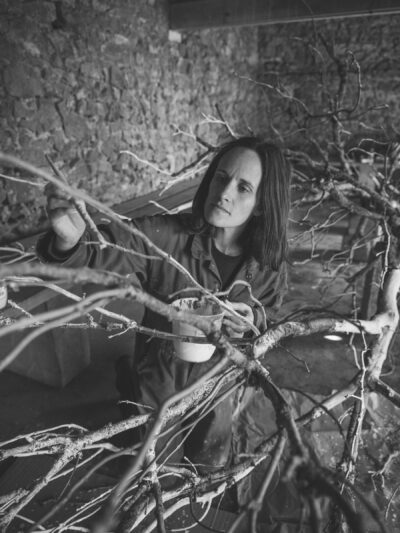
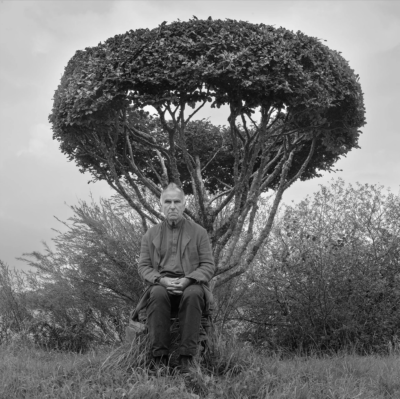
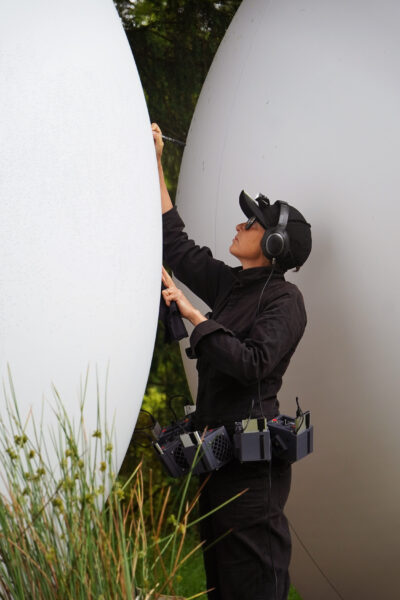
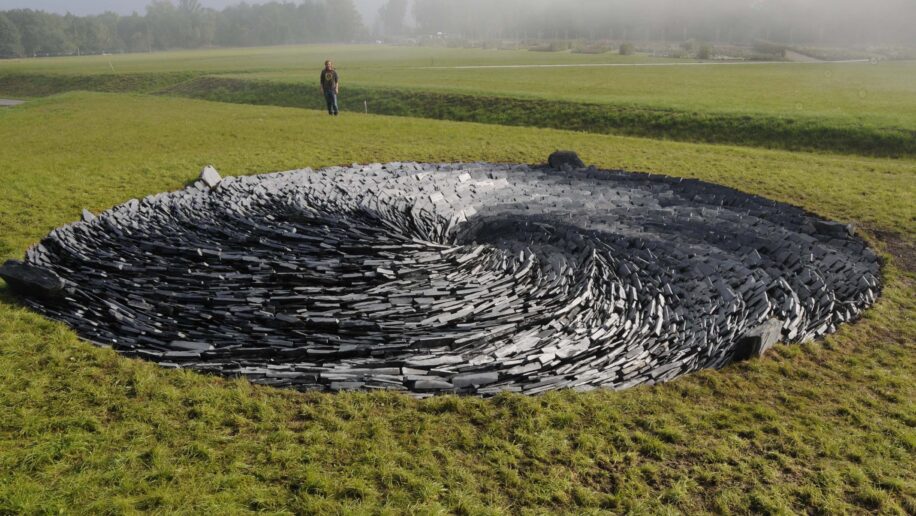
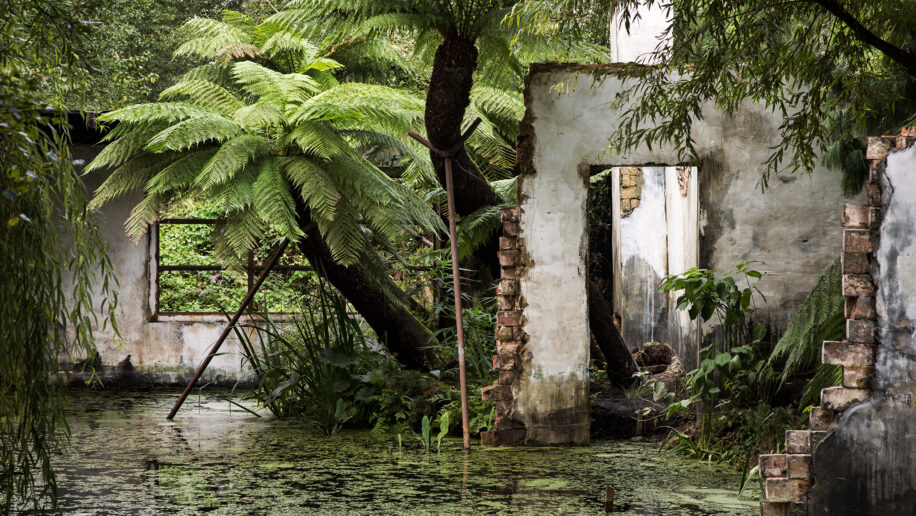
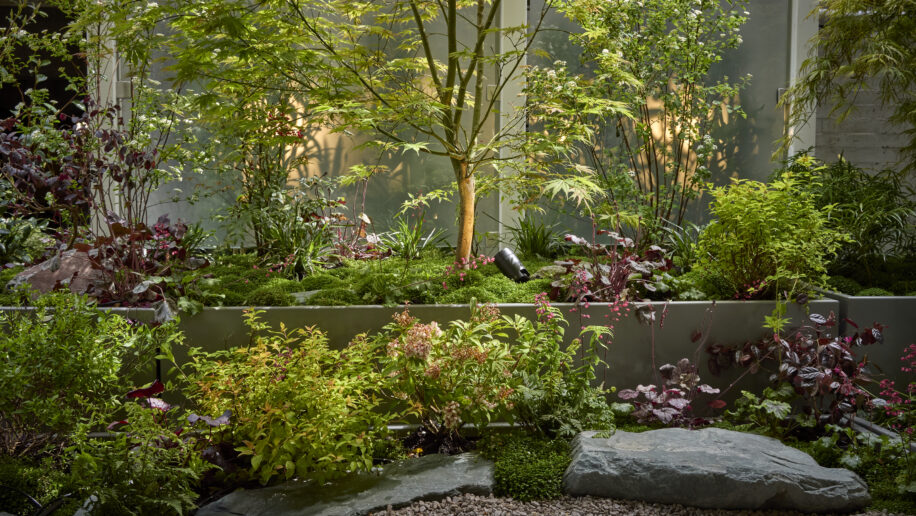
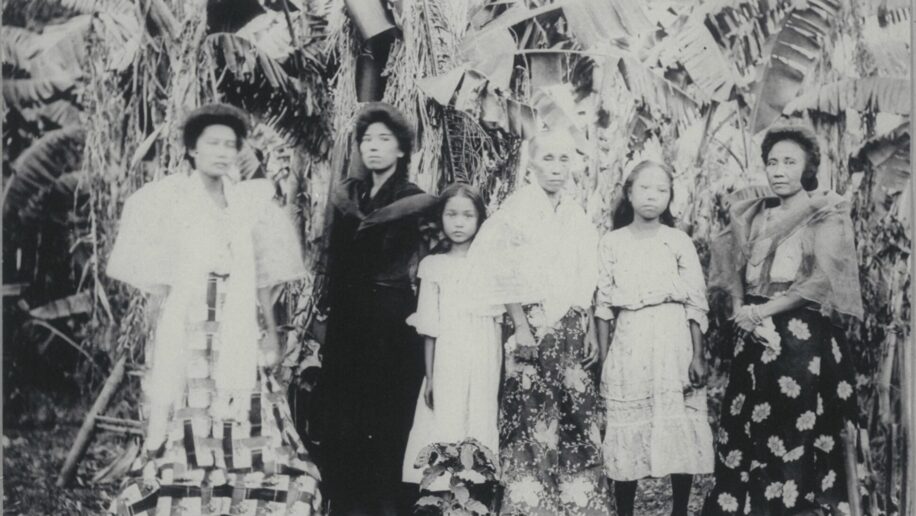
What role does the garden play in the way artists and gardeners re-present the natural world? This discussion moves beyond metaphor to ask whether there are more profound ways of expressing contemporary anxieties — and hopes. Speakers include sculptor Lotte Scott, whose work draws on the landscapes of Somerset and the West Country; Miranda Whall, whose ongoing project Earth, Seed, Peat sits at the intersection of art and environmental science; and photographer and sculptor Mike Perry, whose hyperlocal studies of overlooked nature hold a quiet tension between beauty and ecological damage.
–
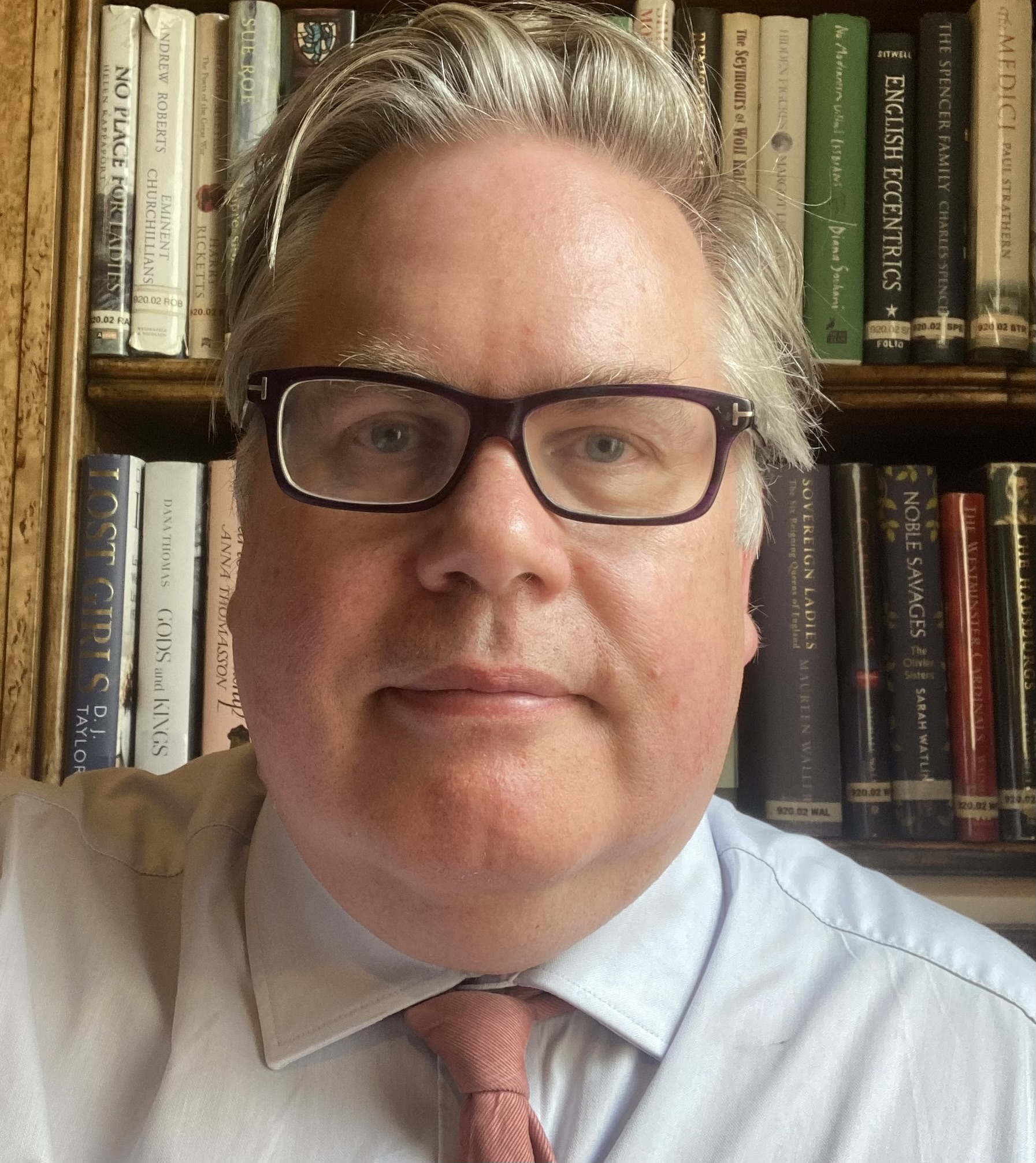
This series, chaired and curated by landscape historian and critic Tim Richardson, aims to broaden our ideas of what gardens, landscape and place can mean in the context of artistic practice in an era of climate change. Across five evenings, Tim has invited a range of practitioners, curators and academics to discuss their own work and to reflect on the broader scene. A drink is included in the price of the ticket so stick around to continue the discussion. Book for all five evenings at a reduced price here.
Tim Richardson is the author more than 25 books on landscape topics including the contemporary scene. In his work he has always operated at the intersection of art and the garden. He is currently art critic at The Idler and also continues his work on gardens and landscapes, which have included books on the work of Tom Stuart-Smith and Martha Schwartz, and a genre-defining work on landscape conceptualism entitled Avant Gardeners. He was founder and director of the Chelsea Fringe Festival.
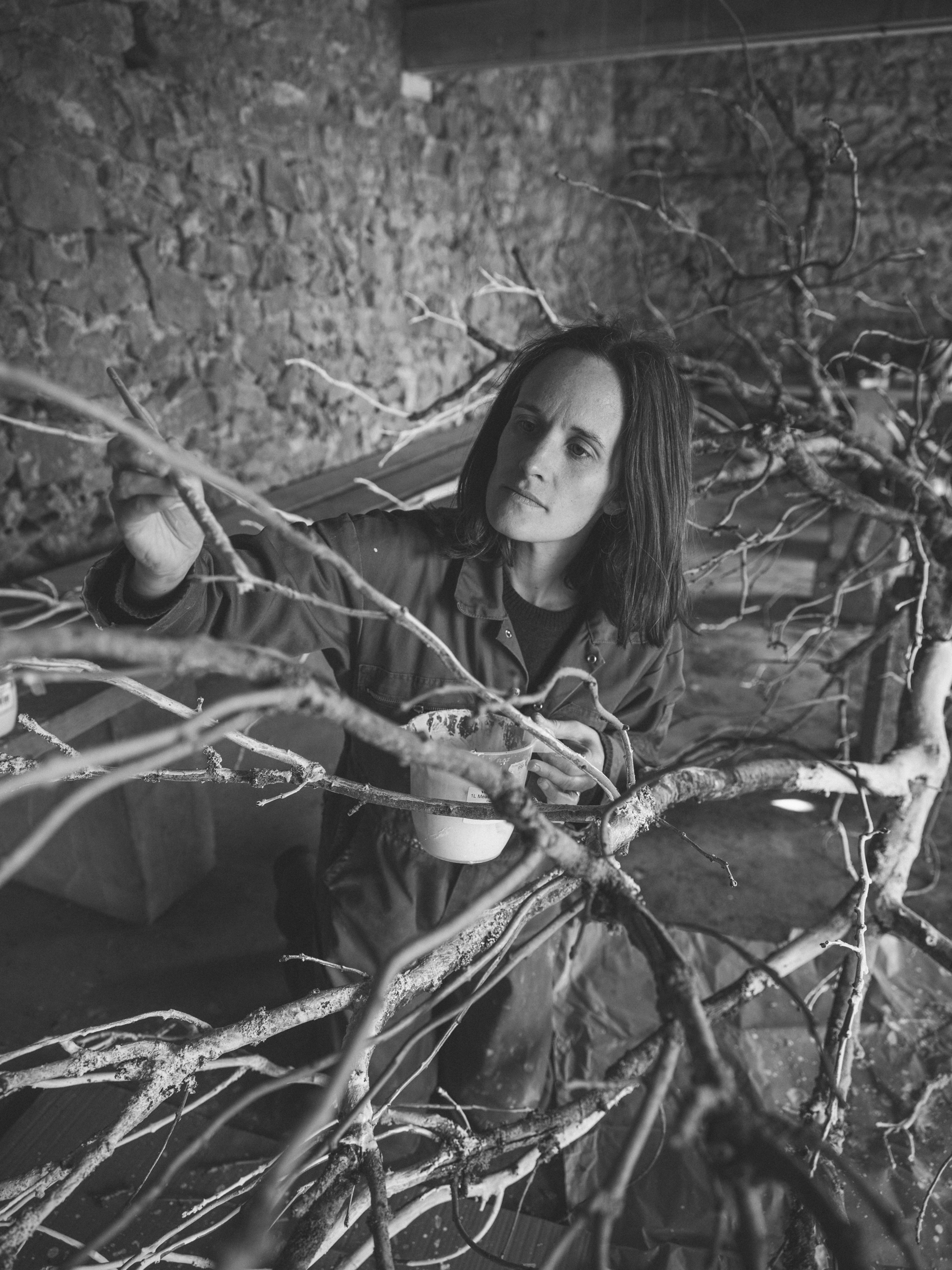
Lotte Scott was born in 1990 and grew up in Somerset, where she now lives and works. She studied BA Art Practice at Goldsmiths University and MFA Sculpture at the Slade School of Art. In 2020 she was the recipient of the Gilchrist Fischer Award.
Scott’s work examines the relationship between place, time and material, with a particular focus on Somerset landscapes. An interest in archaeology and geology also informs her practice.
Recent exhibitions include Women Artists And The Land, GroundWork Gallery, After Nature, CLOSE Gallery and This Country, Crafts Council Gallery. Scott’s current work explores the impact of ash dieback disease, stemming from a Mendip Hills National Landscape commission, in partnership with Somerset Art Works.
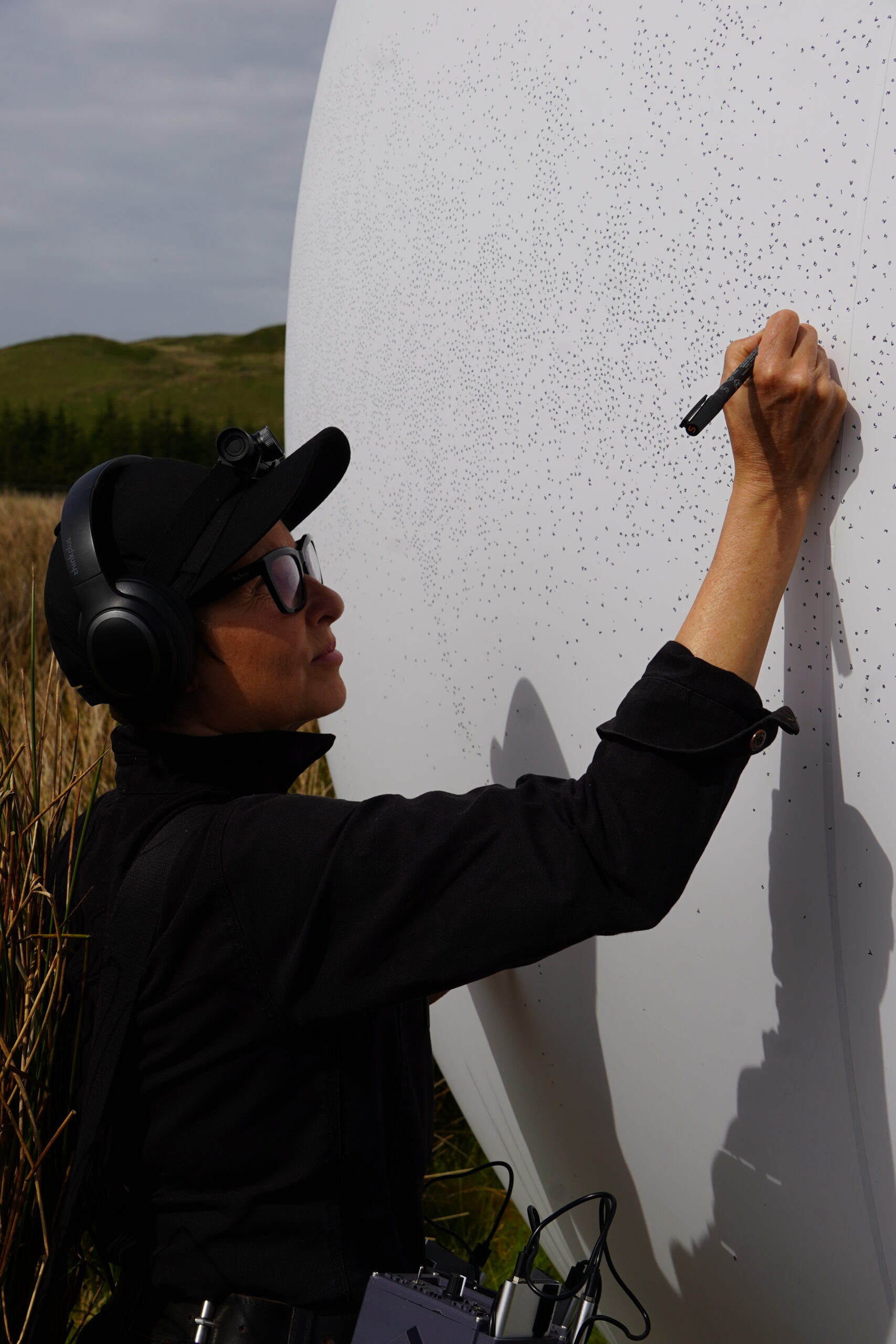
Miranda Whall is a Wales-based artist whose practice merges art and science through intensive, durational and immersive processes. Working between the studio and the Cambrian Mountains, she translates environmental datasets such as soil and peat data into expanded drawings, sculptures, and collaborative performances. Her post-humanist approach treats data as a relational entity, exploring the ethico-political implications of environmental information. Recently, Whall received a commission from UKRI CO2RE (Oxford University) for When Peat Speaks: A Boggy Gassy Bubbly Ensemble (2025–26) and was awarded the inaugural LADA Live Art Rural UK Fellowship for When Earth Speaks: A Dirty Ensemble (2024). Whall has been a co-investigator on several cross-disciplinary NERC-funded projects Making the Invisible Visible (2022) Multispecies in Politics (2023). Her work was included in the groundbreaking Somerset House exhibition Soil: The World at Our Feet (2025).
Mike Perry’s photographs and more recent sculptural interventions examine the interactions of landscape, nature and industrial society, questioning the romantic mythology of national parks as areas of wilderness and natural beauty. Among the many artists documenting ecological collapse, Perry’s work is distinct in the hyperlocal and apparently mundane nature of his subjects. Rather than epic, aerial vistas of glaciers or oil fields, Perry directs our attention to the overlooked hedgerow or the shell-incrusted flip-flop. The drama of these micro-studies are nonetheless global, holding a tension between their extraordinary aesthetic beauty and the damage inflicted upon nature by human activity. At at time when climate change and ecological collapse are drawing unprecedented attention to the importance and fragility of nature, his work could hardly be more resonant.